

In Stillwater, as in many small communities across the U.S., artificial intelligence might feel distant—something in big cities or tech labs. But the truth is that AI is increasingly woven into everyday life, and whether you realize it or not, it’s already touching how we work, rest, and connect.
1. AI on the job and at home
National surveys found that half of employed Americans who use AI tools are now doing so for work-related tasks—not just personal ones. Tasks like drafting emails, summarizing long documents, or researching topics are common AI-assisted chores in workplaces. The shift isn’t total automation, but it’s changing how we spend our hours. When used sparingly, AI can speed things up. But experts warn that relying on it too heavily, especially for tasks that build skill, might weaken some of those skills over time.
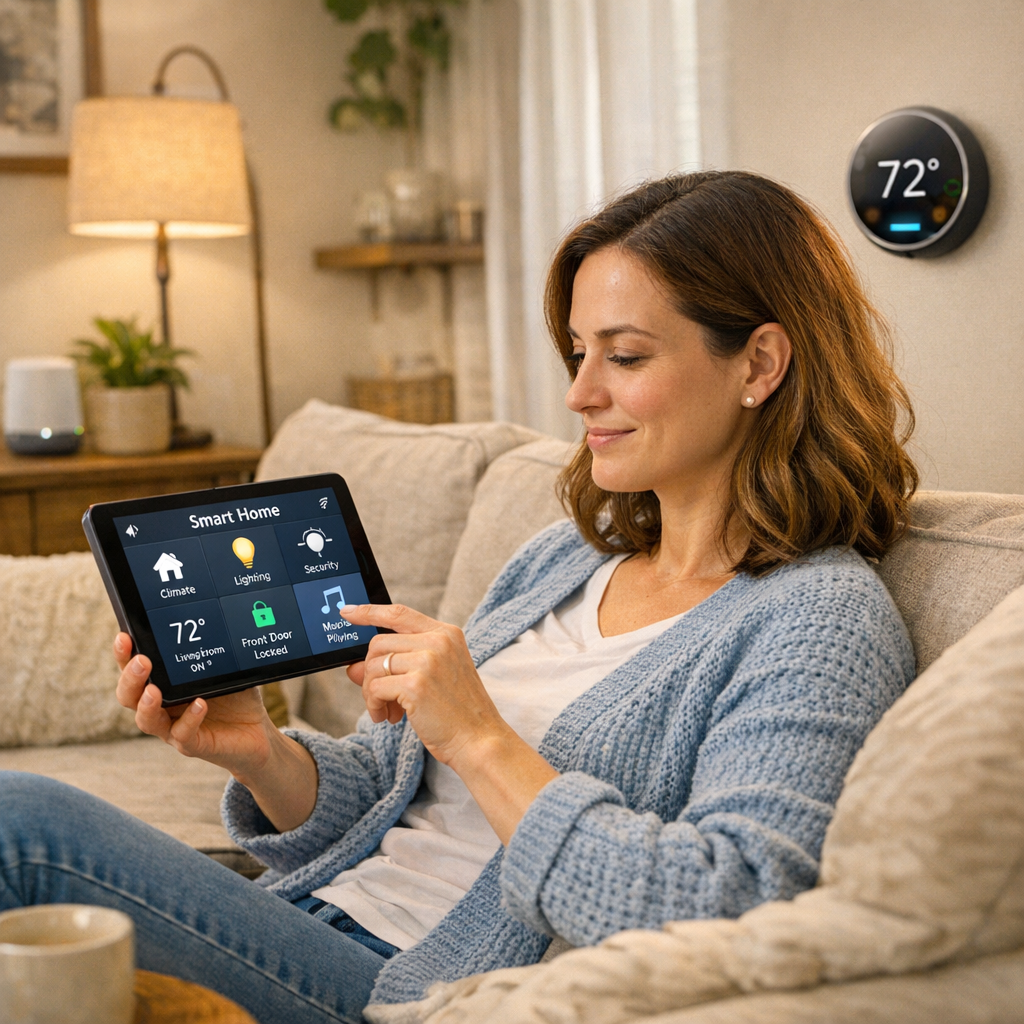
At home, AI is making itself useful in smaller but meaningful ways. Smart thermostats that learn your heating preferences. Personal assistants that help with shopping lists or routines. Even platforms that support aging loved ones by sending reminders or checking in on health signals. These tools can reduce stress, and free up time—if you set them up thoughtfully.
2. What this means for people in Stillwater
Here in Stillwater, many folks may be slower to adopt AI tools compared to urban areas. One report for Minnesota showed metro areas are using AI more than rural parts—meaning smaller towns may lag in the shift. But that gap also offers opportunity: early adopters here have a chance to tailor AI to local needs—farmers, high school students, small business owners, retirees—all of whom can benefit in unique ways.
Some local startups in Minnesota are already working in health care, logistics, compliance, and quality tracking. These companies show what’s possible when AI solves real problems rather than chasing tech trends. And it sends a message for Stillwater: the tech future doesn’t have to wait for the big city—it can grow from home.
3. Using AI smarter: trade-offs and tips
Keep human insight in the loop
AI shines at speed, pattern recognition, and helping with the mundane. But it’s not a substitute for judgment, experience, or context—especially when things don’t go exactly as planned. Trust your gut, know when to double-check what the AI gives you, and stay alert for bias or errors.
Practice built-in guardrails
Things like privacy settings, regular breaks, and conscious limits on how much you offload to AI all help. For example, avoid sharing personal or medical data unless you’re sure it’s secure. And if an AI assistant handles tasks like reminders, make sure you still do some of them yourself so you’re not losing touch with your routines.
4. What to watch going forward
New tools continue to emerge. Southewest Minnesota startups, and similar companies in our region, are exploring ways to make health care AI therapeutics, assistive home tech for seniors, and language tools accessible locally. These could bring big value—improving care, easing workloads, and giving more people access to services that once required travel or big investment.
The catch? Issues like cost, digital infrastructure, and tech literacy still matter. Not everyone has strong internet access or the experience to use tools without frustration. As a community, talking openly about what’s working—and what isn’t—will help us shape AI in ways that support everyone.
AI isn’t magic or menace—it’s a toolkit. When used with awareness, it has the power to make daily life more efficient, more connected, and more humane in places like Stillwater.