

Hello friends—James Larson here with a look at what the changing weather and environment mean in and around Stillwater. The shifts in our winters, our water, and our trees aren’t abstract—they’re showing up in our lives. Here’s a grounded breakdown of what’s happening, why, and how we might adapt.
Winters That Are Warmer and Less Frosty
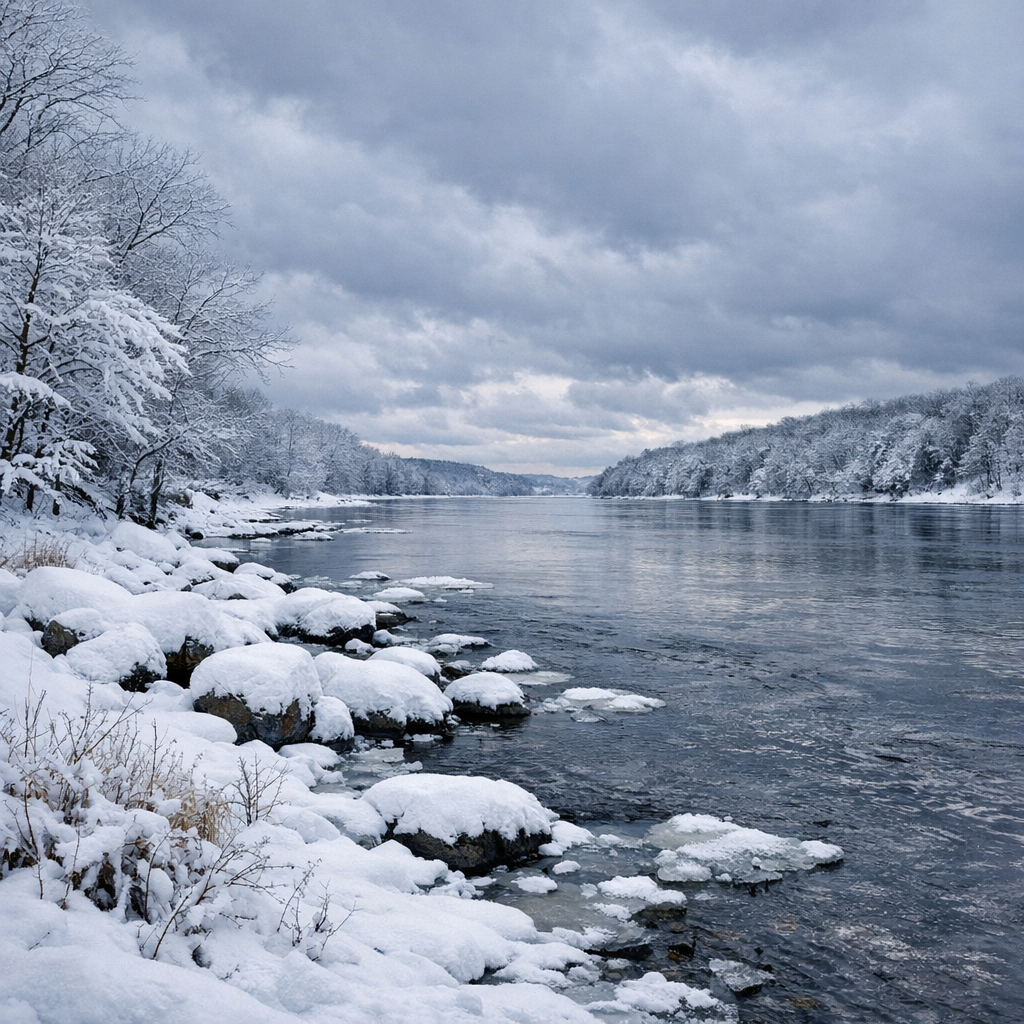
Over recent decades, Minnesota has warmed steadily—especially in the coldest months. Our winter lows, in particular, have been rising more quickly than summer highs. That means fewer brutally cold nights and a shorter ice season on lakes around us. Ice forms later, melts earlier, and doesn’t get quite as thick. Trout and other cold-water fish species feel the difference. And many of us who enjoy ice fishing, skating, or snowmobiling are seeing fewer dependable windows.
Rainfall, Drought, and Water Worries
Annual precipitation across Minnesota has increased—not all at once, but unevenly. We’re getting more heavy downpours, more often. But the flip side: longer dry spells. That switch between deluge and drought can strain our water supply and raise risks for flooding, erosion, and soil health. In groundwaters near Stillwater, for example, water quality concerns like PFAS contamination are prompting active investigations and strategic upgrades to treatment systems to make sure our drinking water stays safe.
Trees, Forests, and Urban Canopy Under Pressure
Trees that have long shaped Stillwater’s character are under threat. The Emerald Ash Borer has decimated ash trees, meaning both public and private trees are dying or already dead. Losing trees does more than shift the view—it removes shade when we need it most, reduces air-cooling, and alters habitats for birds and insects. Meanwhile, our ponds and woods are seeing longer growing seasons, warmer ground temperatures, and shifts in when leaves turn color in the fall.
What You Can Do Locally
- Protect well water: If you draw water from a private well, get it tested—especially for PFAS and other emerging contaminants.
- Plant resilient trees: Choose native species that tolerate warmer winters and drier summers. Diversifying species makes our canopy more resilient.
- Manage stormwater: Rain gardens, permeable driveway materials, and well-maintained gutter systems help slow runoff and reduce soil erosion.
- Stay informed and involved: Attend city council or utility commission meetings on water treatment. Support local filtering or treatment programs that aim to meet upcoming standards.
- Small habits help: Use less energy for heating/cooling; avoid unnecessary fertilizer runoff; plan outdoor work during cooler, shaded times to avoid heat waves.
Why This Matters
These environmental changes are both ongoing and compounding. What we do—or don’t do—matters. Warmer winters ease some burdens (less cold), but shift the timing of seasons in ways that catch people off guard. County services, gardens, infrastructure, recreation—all adjust when “normal” weather no longer applies.
Stillwater is our home. The air, trees, water, and seasons around us are part of what makes it special. By understanding these trends and acting locally, we can help the place we love stay healthy, beautiful, and safe for generations.