

By Olivia Johnson
In a world of rapid change, recent global reports reveal a mix of progress and warning signs—shifts in displacement numbers, climate diplomacy strain, and an emergent role for cities during crises.
Forced Displacement Declines Slightly—but Remains Enormous
The latest UNHCR Global Trends report shows the number of refugees fell by about 3% between the end of 2024 and end of 2025, though the total number of people displaced remains staggering—117.8 million globally. That includes refugees, asylum-seekers, internally displaced persons, and others in need of protection.
Internally displaced populations—those forced to flee within their countries—reached 82.2 million by the end of 2025, the second-highest level ever recorded. Many returns to home regions occurred under difficult conditions, with insufficient infrastructure and ongoing insecurity.
Drivers of Displacement
- Protracted Conflict: Nations like Sudan continue to produce large refugee outflows.
- Violence and Instability: Inside countries such as Syria, DR Congo, and Afghanistan, escalating violence forces repeated displacement.
- Humanitarian Funding Gaps: As host countries strain under refugee influxes, underfunded aid systems are reaching breaking points.
Climate Diplomacy Moves Forward, but Real Consensus Proves Elusive
Recent climate talks, including the SB64 meeting in Bonn, have yielded some forward momentum—especially on adaptation funding, the “just transition” approach, and aligning national plans with the Paris Agreement’s first global stocktake.
Still, several major topics remain unresolved: indicators for the Global Goal on Adaptation, a formal roadmap for phasing out fossil fuels, and equitable climate finance between developed and developing nations.
What’s at Stake
- Communities worldwide—especially in vulnerable regions—are depending on solid frameworks and funding for climate adaptation.
- Delay in phasing out fossil fuels risks locking in climate damage, especially beyond critical tipping points.
- Trust between nations counts: recurring failure to agree on shared terms can edge out cooperative capacity essential for global climate goals.
City Leadership Grows in Global Crisis Response
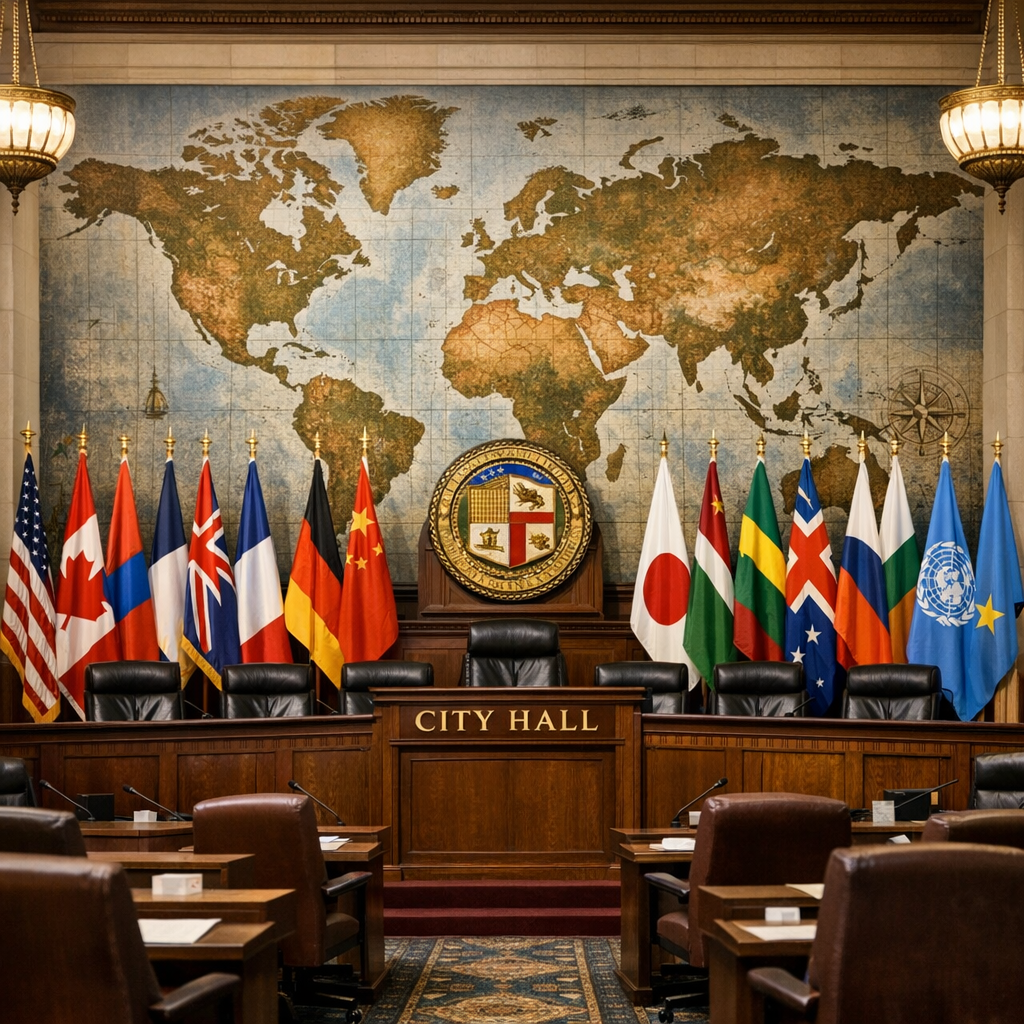
While national messages often dominate headlines, city leaders are increasingly on the front lines—pushing for affordable housing, clean energy transitions, and humane migration policies. At recent gatherings, mayors from around the world emphasized practical solutions over political rhetoric.
These local leaders advocate for partnerships that respect both human dignity and environmental urgency. Their calls offer a reminder: even amid large-scale displacement and stalled climate negotiations, action often begins where people live. Mayors in multiple nations are now serving as bridge-builders between international commitments and life on the ground.
What These Trends Mean for Stillwater and Us
As a community in Minnesota, it’s easy to feel disconnected from global displacement or UN summits—but global crises do ripple into local lives:
- Resettled refugees enrich our communities, bringing new talents, languages, and stories.
- Municipal policies—on energy use, housing affordability, or migration—are shaped in part by global standards and funds.
- Climate risks such as extreme storms or infrastructure disruptions aren’t far-off problems; they’re interconnected with what world leaders negotiate today.
Staying engaged—with global issues, humanitarian needs, and climate justice—while acting locally is a shared responsibility. It reminds us: even in a small place, we’re part of a global story.