

By Michael Williams
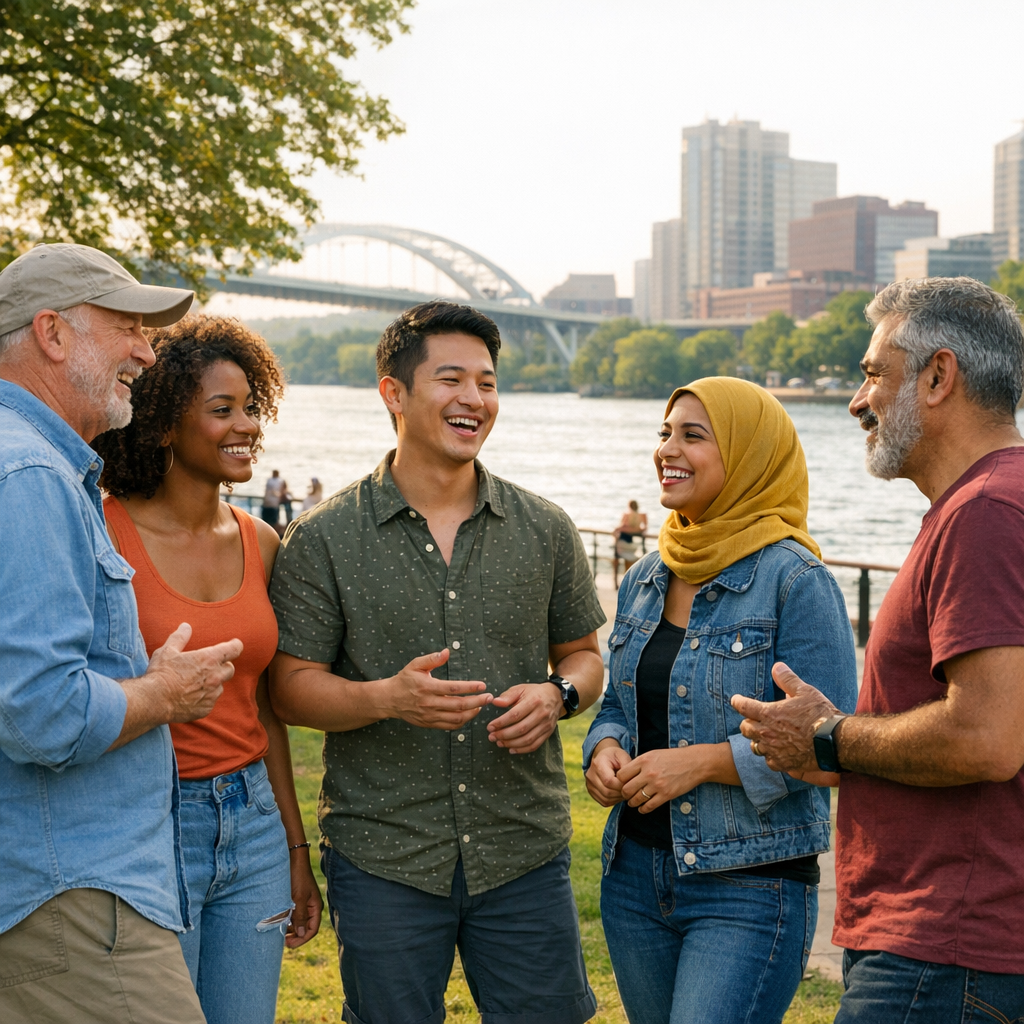
Stillwater isn’t just where I live—it’s where stories are woven not only by those born here but by those who stumbled in, introduced by chance, family, or sheer curiosity. Over my years here, I’ve heard voices of newcomers and longtime residents finding their place, and in those stories, I believe there’s a thread many of us share.
Welcome Isn’t Instantly Familiar
When people move into town—families, retirees, folks starting fresh in their careers—there’s often a gap between expectation and reality. Several newer neighbors tell me they came seeking that classic Stillwater charm: historic downtown, riverside walks, community festivals. But instead, they found few real connections at first, and subtle barriers—cliques formed around where you grew up or which school district you’re in—made community-building harder.
One young parent I know jokes that making friends here often starts with your kid’s preschool. Another new arrival said the local library and neighborhood walks helped more than social media or apps. Infrastructure or organized groups provide access, but many personal connections start simply—at after-school pickup, the coffee shop, or helping shovel someone’s driveway.
Longtime Roots Don’t Mean Automatic Belonging
For those of us whose families go back generations, there’s a pride built into our identity: knowing the history, seeing how new development shapes downtown, remembering when Main Street looked different. But being born here doesn’t shield you from moments of exile, either—complaints about traffic or parking on summer weekends, or when changes feel sudden and unfamiliar. Longtime residents often carry hope and concern in equal measure.
A friend who’s lived in the North Hill area since childhood recently said she loves the view of the river and the shade of old oaks—but struggles with noisier summer evenings when downtown events spill over, or when the growing number of visitors complicates weekend walks. She wonders what Stillwater can keep, and what it must adapt.
Common Ground, Daily Acts of Belonging
I’ve come to believe that community isn’t born from grand moments, but sewing together smaller ones—neighbors sharing garden tips, inviting you to volunteer at Community Thread, joining a civic happy hour, or turning concern into conversation at a public meeting. Those moments—open doors, shared effort—transform a place into home.
Every few years, our city opens planning processes—“visioning” surveys, downtown framework plans—to collect feedback about what Stillwater should become. When these processes engage both new faces and familiar ones, I see strength. The mix of fresh ideas and rooted perspective helps make plans more balanced. Sometimes tedious, often imperfect—but still essential.
What Helps Us All Feel Seen
- Shared spaces: Parks, trails, the riverfront aren’t just scenic—they’re where people gather, share laughter, find peace. Supporting their upkeep keeps belonging tangible.
- Respecting history while embracing change: We can preserve what we value—heritage architecture, old trees, downtown character—while accommodating newcomers through thoughtful design and infrastructure.
- Opportunities to connect: Events like civic happy hours, book groups, volunteer meetups work. Not because they’re flashy, but because people show up, listen, help.
- Listening under the same roof: Whether speaking from a podium or across the fence, voices need to be heard—with respect, curiosity, and patience.
I didn’t grow up here, but I’ve planted roots. I don’t know everything about the old ways, but I care. Belonging isn’t about how long you’ve lived here—it’s about choosing, each day, to shape this place alongside your neighbors. Stillwater becomes community when we all feel we belong—and we all have a hand in that story.