

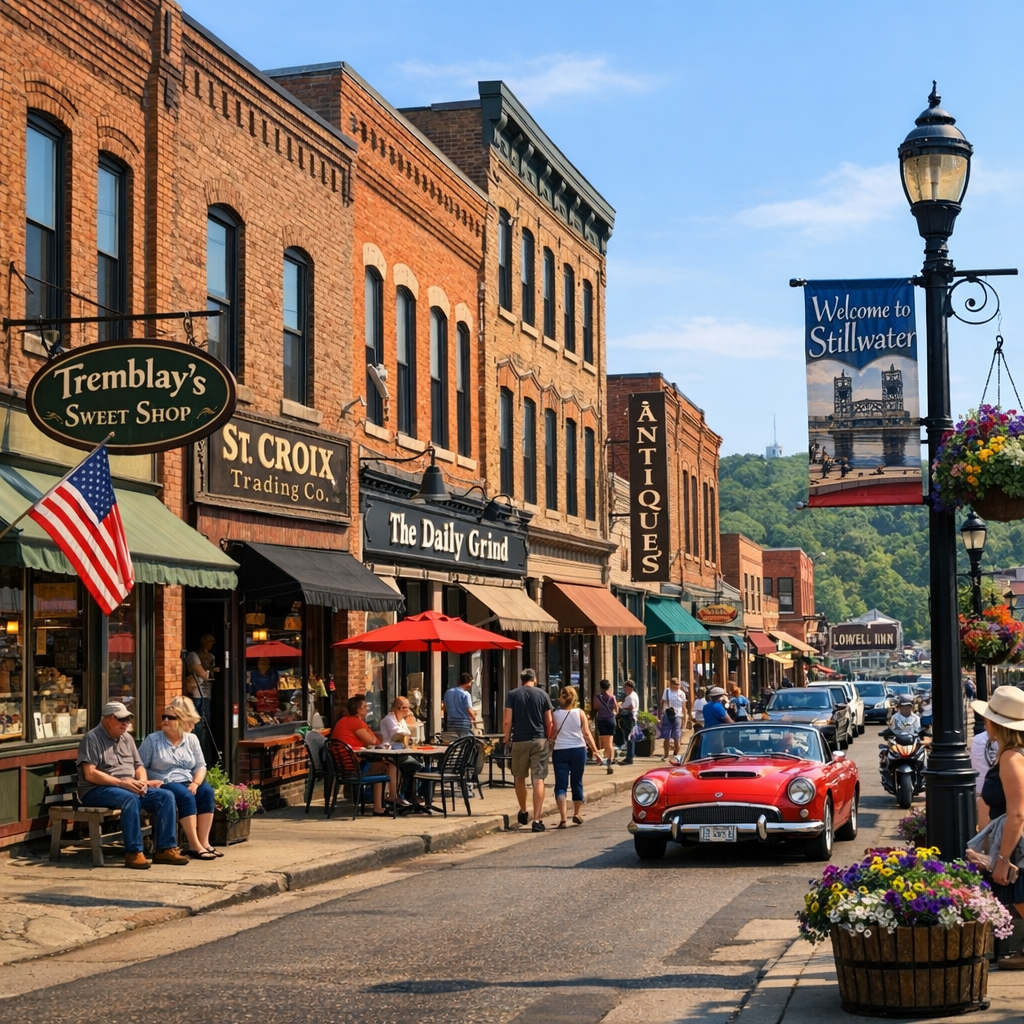
Stillwater’s local economy is more than its storied history and riverfront charm—it’s a tapestry woven with small businesses, evolving labor trends, and collaborative efforts aimed at long-term growth and resilience.
Small Businesses: Core of Main Street
In Minnesota, businesses with fewer than 20 employees make up almost 90% of establishments and generate significant jobs—recent state data shows that while their share of total employment has edged down since the 1990s, absolute job numbers are steadily rising. These businesses tend to thrive in sectors like personal services, repair work, health care, and retail. Stillwater, with its historic downtown and destination status for visitors from the Twin Cities metro, benefits disproportionately from these small but vibrant operations offering personalized, unique experiences. Small shops and restaurants bring character, keep dollars local, and serve needs that big chains often overlook.
Labor Market Trends in Washington County
Washington County—Stillwater’s broader economic region—is experiencing steady employment growth. Recent studies forecast healthy expansion in industries such as health care, social assistance, and hospitality. At the same time, information technologies and managerial roles are projected to see strong future demand. Educational attainment is high: nearly half of adults 25 and older hold bachelor’s degrees or higher, and high school graduation rates are above state averages. These factors help attract more ventures and support higher-paying job opportunities.
Challenges Facing Local Businesses
Despite the positives, many small business owners in Stillwater are feeling pressure. Rising operational costs—everything from rent and utilities to supplies—have narrowed profit margins. Foot traffic can be inconsistent, especially outside peak visiting seasons. For businesses with thin margins and seasonal rhythms, sustaining year-round operations is difficult without support.
Community Strategies & Economic Development
To counter balance the pressures, Stillwater is leaning into partnership and planning. The local Chamber of Commerce, city government, and community groups are implementing an Economic Development Strategic Plan built around five pillars: retaining legacy businesses, nurturing entrepreneurship, encouraging property readiness, workforce development, and telling the story of Stillwater. Through these strategies, the community hopes to both attract new businesses and ensure existing ones succeed.
Workforce Development & Talent Retention
Because many residents commute outward for work, there’s a strong incentive to grow job opportunities locally—even for high-skill roles like software development and management. Forecasts show growth in information and technology sectors; leaders are encouraging training programs, apprenticeships, and small business-friendly environments to capture talent.
Sustainability & Green Initiatives
Stillwater also recognizes the economic upsides of sustainability. Programs like energy efficiency rebates, green business directories, and Complete Streets policies are being promoted. These not only help businesses reduce overhead, but also draw customers seeking environmentally conscious options, bolstering competitiveness.
Looking Forward: Opportunities for Entrepreneurs & Businesses
Here’s what local business leaders, prospective entrepreneurs, and policy makers should watch:
- Seek out collaboration: shared marketing, joint events, or pooled purchasing can reduce costs and build visibility.
- Adjust for seasonality: exploring offerings that appeal to locals outside tourist-peak periods can help smooth revenue swings.
- Lean into niche strengths: hand-made goods, artisanal food, wellness, and specialty services have a stronger footing in Stillwater’s market.
- Invest in workforce skills: tech, hospitality, and health care are growing; aligning training and support with those sectors can pay dividends.
- Pursue sustainability: energy savings, green recognition, and walkability are increasingly part of what customers seek when choosing where to spend.
Stillwater’s economy is not static—it’s shaped by small businesses carrying tradition forward, by people who choose community over cookie-cutter, and by a city intent on balancing growth with character. For local business owners, finding the right combinations of innovation, adaptability, and support from the broader community will define what comes next.