

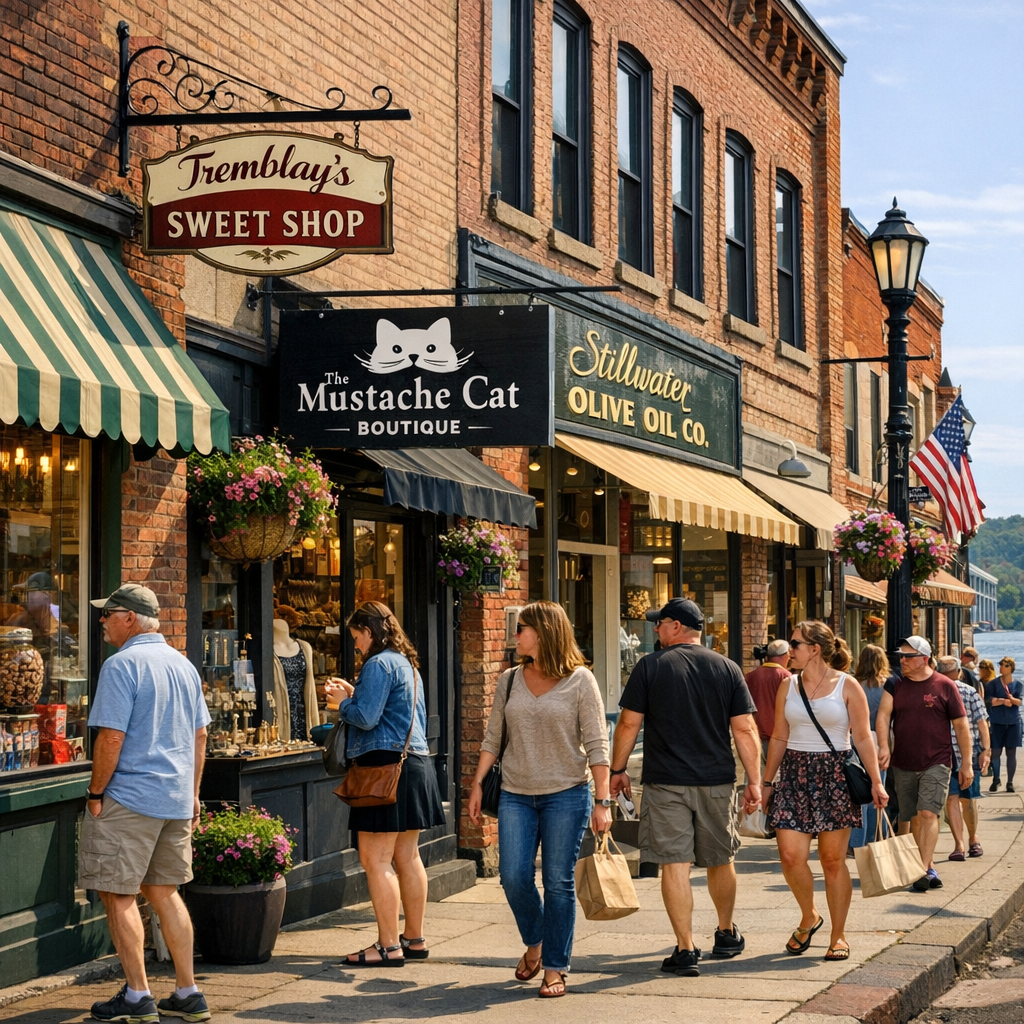
Stillwater today finds itself at an economic crossroads: its rising prosperity brings promise for local entrepreneurs, while changing costs and tastes bring new challenges. For those who care about business and jobs here—the small shop owners, service providers, restaurants, and makers—understanding key trends matters more than ever.
What the Numbers Tell Us
Over the past decade, the population of Stillwater has nudged up by about 10%, while the median household income (unadjusted for inflation) jumped from roughly $70,000 to over $105,000. Home values saw a similar rise. Meanwhile, the share of residents working remotely leapt dramatically—to more than one in five. At the same time, unemployment and poverty rates have drifted downward. All told, these shifts shape what local businesses can expect—both in opportunities and in pressures. (Data from U.S. Census Bureau and regional sources.)
Opportunities for Local Entrepreneurs
Tapping Into a Destination Economy
Tourism remains a major asset for Stillwater. Its riverfront, historical downtown, boutiques, specialty shops, and dining draw visitors—especially from across the Twin Cities metro—wanting small-town charm with quality retail and experience. Businesses that lean into this appeal—places offering curated goods, memorable meals, or unique experiences—have a competitive edge.
Supportive Resources and Programs
The City of Stillwater now works closely with the Washington County Community Development Agency, the Economic Development Authority, and organizations like the Chamber of Commerce to offer support for both startup and established businesses. Available tools include financing options (such as gap financing or tax increment financing), site-selection help, business‐planning assistance, and sustainability programs. For entrepreneurs who haven’t tapped these yet, they can make a big difference. (From city economic development resources.)
Challenges to Watch
Rising Costs, Especially for Housing and Rent
While incomes are rising, so are home-values and rents—faster than many households anticipated or budgeted for. For business owners especially, this can affect both employees (who may struggle with local cost of living) and operational expenses (space rental, utilities, etc.). Maintaining affordability—for both services and staff—is becoming critical.
Balancing Local Expectations and Market Realities
Shoppers, diners, and tourists want authenticity, quality, and community connection. That’s an advantage for local businesses. But consumer tastes change quickly—after COVID, demand for takeout, online shopping, and flexible hours has held strong. Businesses that adapt (through e-commerce, flexible staffing, or diversifying offerings) are more likely to thrive.
What Entrepreneurs Should Prioritize
- Explore collaboration with other local businesses—co-promotions, shared events, sourcing from nearby suppliers—to stretch resources and draw foottraffic.
- Keep operations lean and flexible: hybrid work, pop-up shops, or shared workspace are tools to manage overhead.
- Invest in customer experience—both in person and online. Even small improvements in ambiance, service, and web presence build loyalty.
- Stay engaged with local planning and economic development programs to leverage incentives and supports.
- Watch neighborhood and tourism trends—for example, seasonal visitor flows—to optimize offerings and staffing.
Stillwater has for generations blended its history, riverside beauty, and small-town character with economic energy. For local businesses willing to adapt—and to lean into community strengths—this moment offers fertile ground. The path forward requires balancing growth with authenticity, innovation with resourcefulness, and opportunity with care for those who make this place home.