

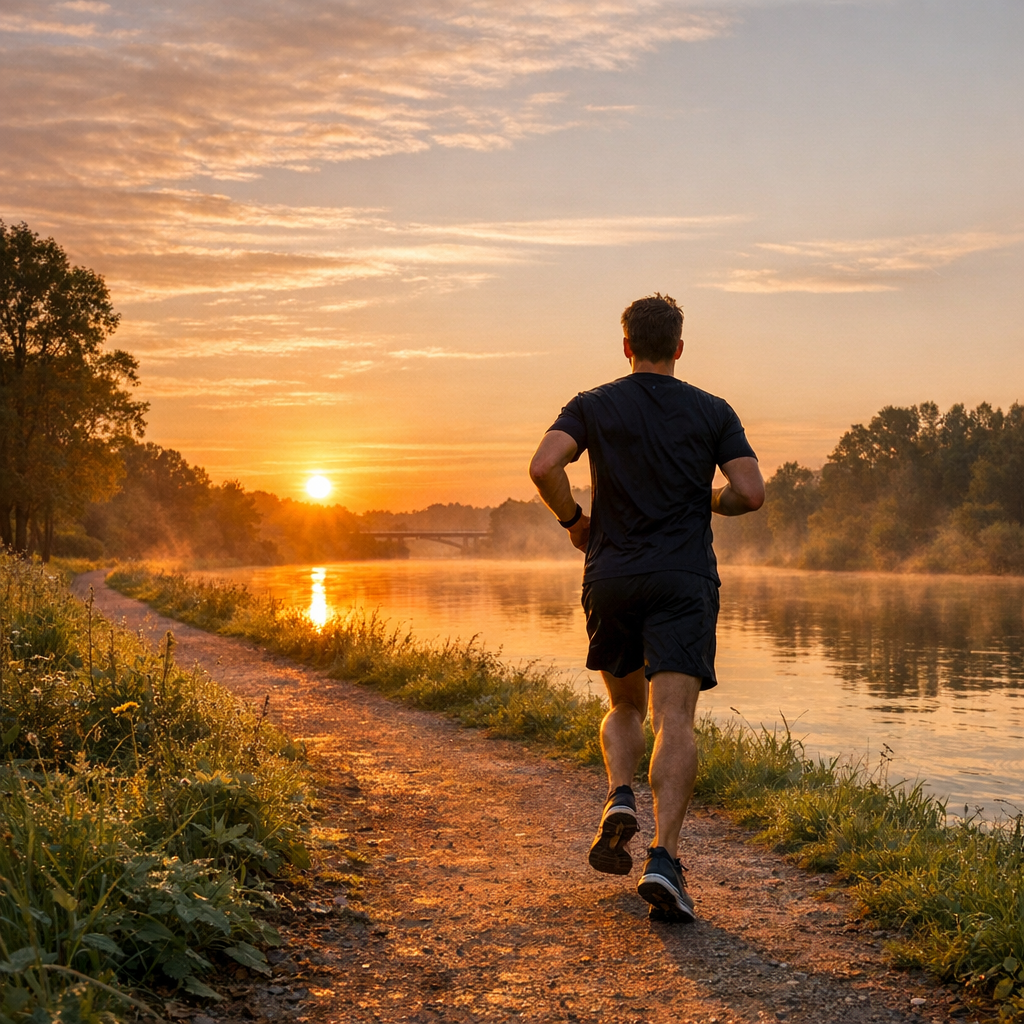
Living well in Stillwater isn’t only about the beautiful scenery and community spirit—it’s also about choosing ways to support both your physical and mental well-being. Below are insights into why regular physical activity matters, how it directly helps your mental health, practical tips, and how to make movement a part of life here.
Why Physical Activity Matters for Mental Health
Research shows that any movement—from walking or gardening to gym workouts—can significantly reduce symptoms of depression and anxiety. One major umbrella review found that higher levels of activity are linked to lower risk of depression and fewer new cases of anxiety, especially when activity is low to moderate intensity.
Other studies find benefits from combinations of aerobic and resistance training. Strength training, jogging, yoga, and mixed workouts produce measurable improvements in mood. Even functional fitness—movements that mimic daily tasks—helps older adults feel more confident, socially connected, and emotionally resilient.
How Movement Makes a Difference
- Mood regulation: Exercise triggers endorphins and brain chemicals that ease stress, lift mood, and counter anxiety.
- Self-worth & confidence: Achieving fitness or movement goals builds self-esteem.
- Social connection: Group classes, running clubs, or sports help reduce loneliness and reinforce motivation.
- Prevention & resilience: Even moderate, consistent activity can prevent mental health problems before they start.
Local Ways to Stay Active in Stillwater
If you’re looking for options right here, Stillwater has plenty to offer.
- Join a local gym or studio: Many offer yoga, strength training, spin, or functional-fitness classes. Check smaller studios—they often have community feel and flexible pricing.
- Explore outdoor spaces: Take advantage of trails along the St. Croix River or set out on bike paths. Fresh air and nature amplify mental health benefits.
- Group fitness classes: From community center Zumba to walking groups, classes offer structure and support.
- Find low-cost or free opportunities: Parks departments often have drop-in sessions or outdoor boot camps. Also, online group classes can supplement in-person options.
Tips to Make Healthy Movement a Habit
To get consistent benefits, it helps to build sustainable habits rather than seeking quick fixes.
- Start where you are: even short walks or gentle stretching count.
- Mix it up: include strength, flexibility, and aerobic activity.
- Set realistic goals: maybe 10 minutes a day begins, build gradually.
- Track progress: use journaling or apps, or walk with a friend to stay motivated.
- Schedule rest and recovery: avoid overtraining and support sleep.
Healthy Eating to Support Your Wellness
Wellness isn’t just movement—it’s nutrition, too. In Minnesota, health guidance emphasizes fruits, vegetables, whole grains, lean proteins like fish and beans, and limiting added sugar and sodium. Small changes like choosing water instead of sweet drinks or adding greens to meals can support mental and physical health.
If You’re Struggling
It’s normal to face challenges—days of low energy, motivation, or mood. If you notice persistent symptoms like sleep issues, appetite changes, or feeling flat for weeks, reach out. Talk with trusted friends or family, consider counseling, or contact local mental health resources. Combining physical activity with professional support is often most effective.
Stillwater has mental wellness resources, health professionals, and nonprofits ready to help. Taking small steps—moving a little more, eating a little better—can make a big difference for your wellbeing.