

By Liam Anderson, Stillwater
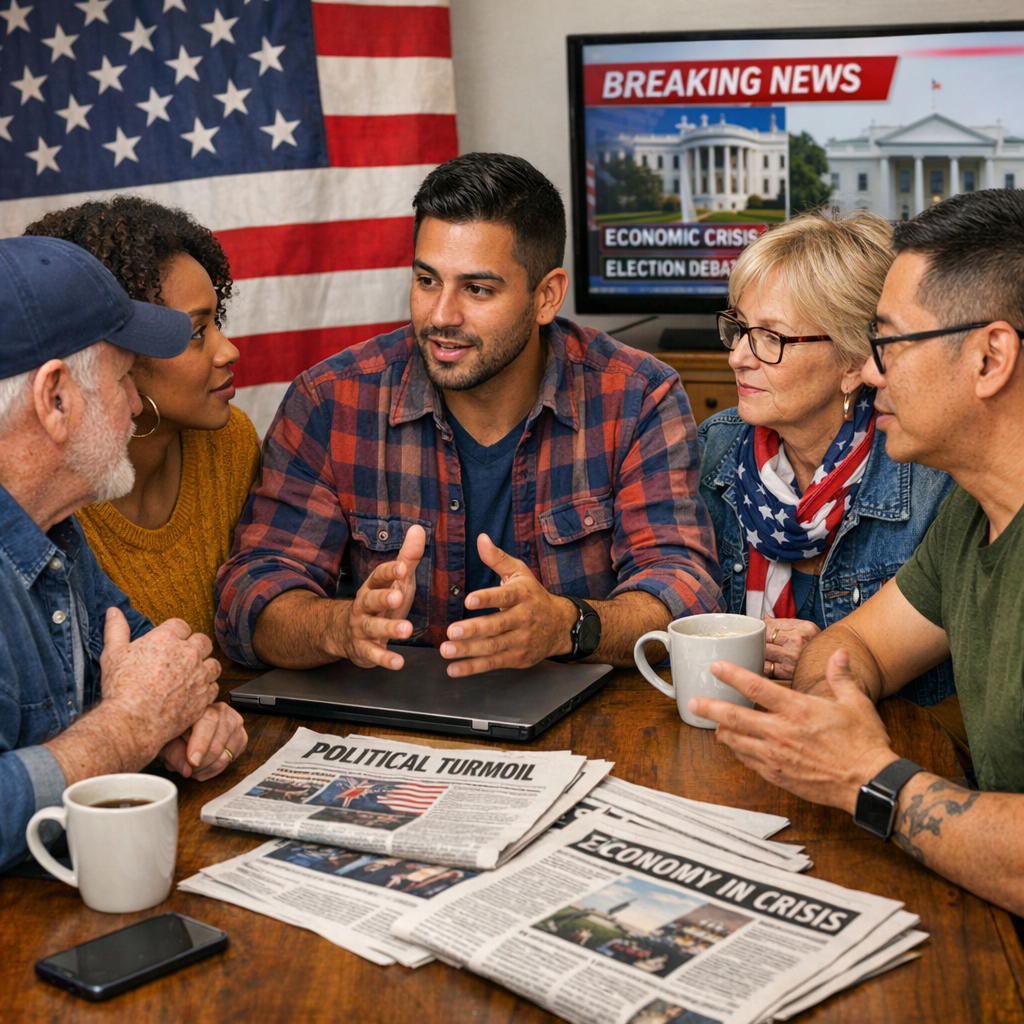
When you ask people around town what’s on their minds, it often comes down to the same few things: Can I trust what’s being said? Will I be able to pay my bills next month? And—maybe most divisively—why is everything so divided? Nationally, those worries are everywhere. Here’s a look at what’s driving U.S. public opinion lately.
Jobs, Inflation, and Shaky Confidence in the Economy
Job growth picked up in August with 162,000 new jobs added, a signal that despite recent sluggishness the economy is still moving. But economists—and lots of us—are watching inflation closely. When prices keep rising, even a good job market doesn’t always feel like relief.
According to recent reporting, sectors like manufacturing have bounced back a bit, though industries such as telecom and information services continue to lose ground. That’s left many wondering: Are sturdy employment numbers masking growing instability? Meanwhile, as prices for gas, groceries, rent and more climb, people are more likely to feel squeezed than secure in their financial future.
A Shifting Trust Landscape
One of the more sobering findings is that trust in government information—on topics like elections, foreign policy and the environment—is at historically low levels. This mistrust isn’t new, but there’s evidence it’s deepened since 2024. Spend time on social media, in communities, or at family gatherings and you’ll feel it: competing facts, amplified by polarization, are making it hard for many to know what to believe.
Polarization Isn’t Just Political—It’s Personal
A recent typology by researchers divides Americans into nine groups, from highly ideological conservatives and liberals to those who feel disconnected or mixed in their views. What’s striking is how much of the debate now circles around not just policies, but identity—values, style, trust, belonging.
On many issues—from budget deficits and health care to immigration and foreign policy—there’s no clear consensus around what should be done, even when many agree on what the problem is. That may leave policy in limbo, and public frustration growing.
What’s Ahead & What to Keep an Eye On
- Interest rates and inflation: The Federal Reserve is weighing what to do next, whether to keep rates high to choke off inflation or risk slowing growth too much. Upcoming reports will be critical.
- Election mood: As the 2026 midterms loom, party trust, voter turnout, and how people perceive the key issues will matter more than ever. These uncertainties could shift more than a few races.
- Institutional reform: From election laws to government transparency to regulatory oversight, many folks are paying closer attention to the rules themselves—not just who wins.
It’s easy to feel tension in the air, even here in Stillwater. But unsettled moments also present opportunities—when local leadership, civic engagement, and built trust can start to bridge divides. What happens at the national level often ripples all the way down to Main Street.