

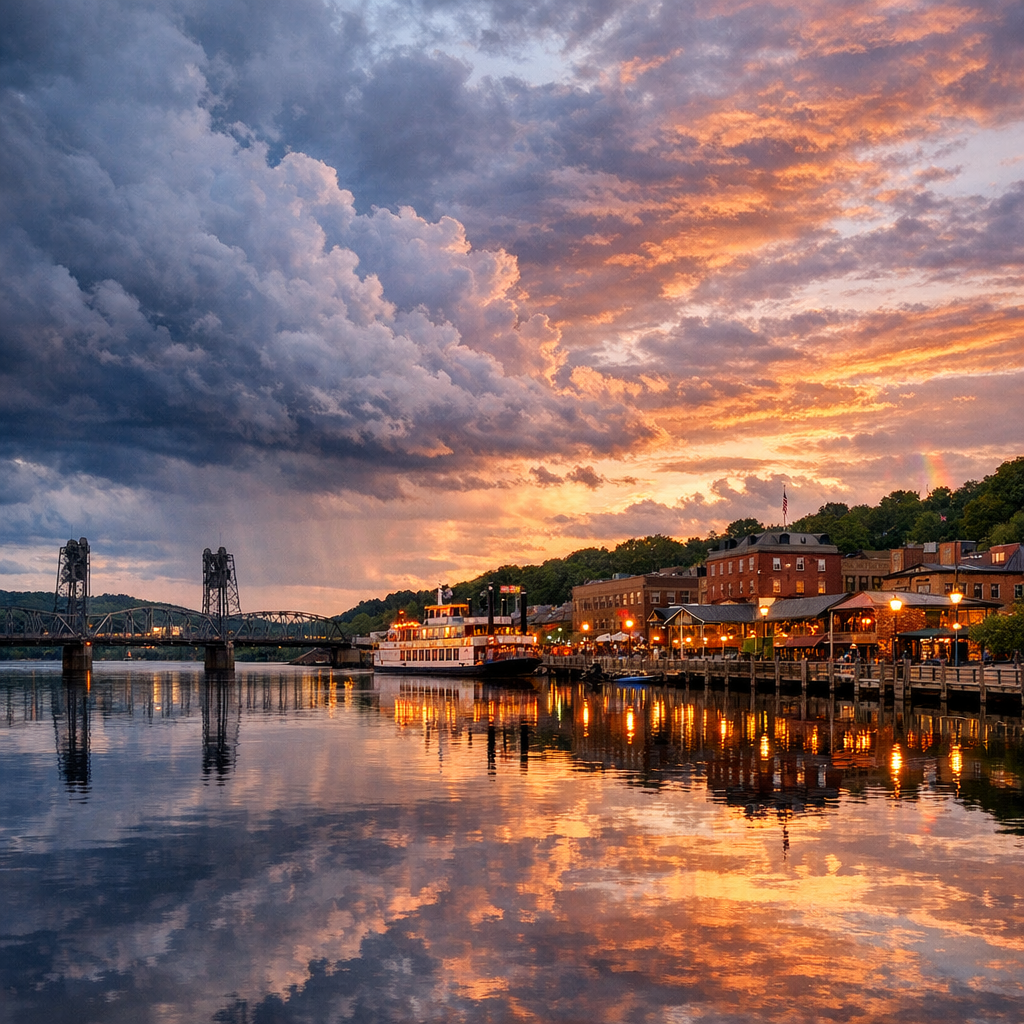
Greetings from Stillwater. I’m James Larson, bringing you closer to the weather and environmental rhythms shaping our community. From snow-laden winters to growing concerns about drinking water contaminants, here’s what residents should know about ongoing trends in Stillwater’s climate and environment.
Seasonal Shifts You’ll Notice
Our climate normals—based on data from 1991–2020—show steep temperature swings. January averages drop to around 5°F overnight lows, while July highs hover near 80°F; on the coldest nights it can dip near zero, and summer days occasionally reach into the 80s. Precipitation is far from evenly spread: summer months—especially June—tend to get the heaviest rainfall. Winter is cold, snowy, and windy. Spring and fall bring rapid change.
Long-Term Climate Trends in the Region
Minnesota as a whole—including Washington County and places like Stillwater—is getting warmer and wetter. Most of that warming shows up in winter and at night. Severe cold snaps are increasingly rare, while extreme rain and downpours have become more frequent. These trends are backed by state climate monitoring data and long-term analyses.
Water & Lakes: Emerging Concerns
Stillwater faces two related water-quality issues. First, PFAS (“forever chemicals”) have been detected in several wells above EPA standards. In response, the city froze use of affected wells and plans a temporary treatment facility to bring water in line with safety guidelines. A longer-term water treatment strategy is also underway.
Second, South Twin Lake—part of multiple headwater lakes feeding into Silver Creek—is showing signs of degradation. Phosphorus levels frequently exceed standards meant to protect shallow lakes. New development, including stormwater runoff, threatens further strain if strict environmental controls aren’t followed.
What Can Stillwater Residents Do?
We all play a part in preserving our environment:
- Keep up with winter best practices: use less salt, collect sand for reuse, and avoid letting yard waste wash into storm drains.
- Support lake-friendly development: request or support runoff controls, natural buffers, and proper stormwater infrastructure.
- Stay informed about PFAS treatment plans and water testing updates—local officials will issue notices and open houses.
Looking Ahead
Expect continued warming winters, more nighttime warmth, and more frequent large rainfall events. Local ecosystems—from lakes to riverbanks—will need attentive care, as shifting climate patterns put stress on water quality and native species.
If you’d like, I can share forecasts for specific waterways or highlight environmental programs in our area. Stay tuned and stay curious.