

By Sophia Miller
Minnesota’s high school sports scene is evolving fast. From rising participation numbers to expanded opportunities for students of all genders and backgrounds, these shifts are reshaping what it means to be a high school athlete. Here’s a look at key trends and what they mean for Stillwater families and teams.
Participation Is Rebounding and Reaching New Heights
The Minnesota State High School League (MSHSL) just reported a record 241,536 students participated in interscholastic athletics during the 2025–26 school year—its highest number ever. That’s the 12th year in a row of growth. When fine arts are included, participation climbs to nearly 290,000 students.
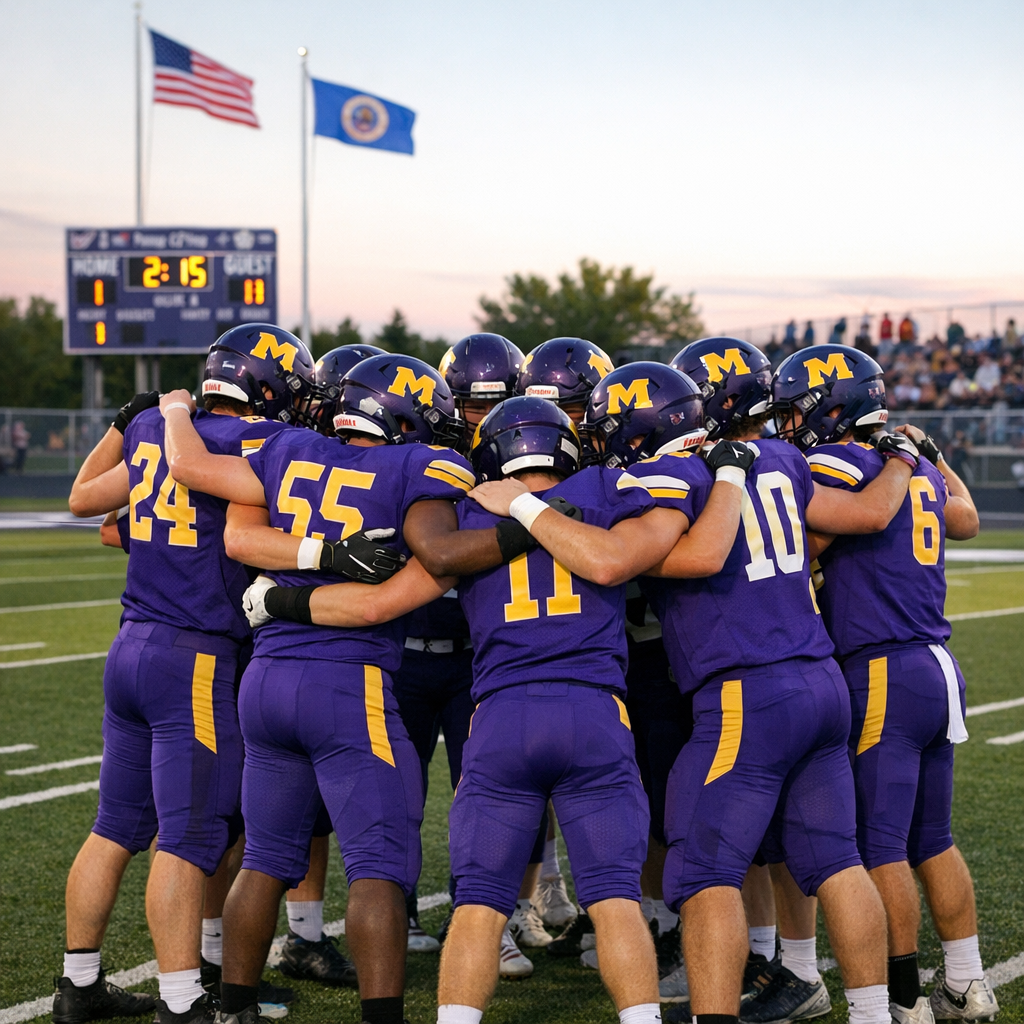
Tackle football, long flagged for decline, has itself turned the corner. The latest NFHS survey shows 23,880 Minnesota kids played 11- or 9-player tackle football in 2024-25—a multi-year rise that reflects renewed interest despite ongoing concerns around safety and injuries.
New and Expanding Sports Reflect a More Inclusive Landscape
One of the most visible shifts is the rise of sports that had historically been gendered or underrepresented. Boy volleyball, girls wrestling, and boys badminton are among those that have been sanctioned more broadly across Minnesota’s high school programs. Such changes are driven by growing demand from diverse communities.
Although girls’ basketball remains popular, its participation has dropped roughly 20% since 2000, and it’s now behind volleyball, soccer, and track & field in overall rankings for girls’ sports.
Why This Matters to Stillwater
For schools in Stillwater, these trends mean both opportunity and challenge. Coaches and athletic directors may see higher turnout in traditional fall sports but need to plan for growth in non-traditional offerings. That could mean allocating gym time differently, rethinking coaching resources, or investing in facilities for sports like volleyball or wrestling.
For student-athletes, more options mean more chances to discover something they love—whether or not it was your typical fall-sport path. Greater inclusivity makes teams feel more welcoming, which helps with retention and long-term athlete health.
Going Forward: What to Watch & Support
- Equity matters: As sports expand, ensuring equal access for girls, for students from immigrant or multilingual households, and for nonbinary athletes remains essential.
- Safety and health: As participation increases in high-contact sports, concussion awareness, proper coaching, and conditioning will be more important than ever.
- Support from community and district leadership: Funding, facility upgrades, and scheduling coordination will be key to sustaining growth and making sure every team and athlete has what they need.
Overall, Minnesota’s high school athletics are in a moment of promising transformation. For Stillwater, that means the chance to become even stronger—not just by winning games, but by building programs where every student has a place to compete, grow, and belong.