

WASHINGTON — From boardrooms in New York to farms across the Midwest, many indicators suggest the U.S. economy continues to show resilience. But beneath the surface, concerns are steadily growing among voters and policymakers over inflation, housing affordability, and long-term risks that could undermine confidence.
What the Numbers Show
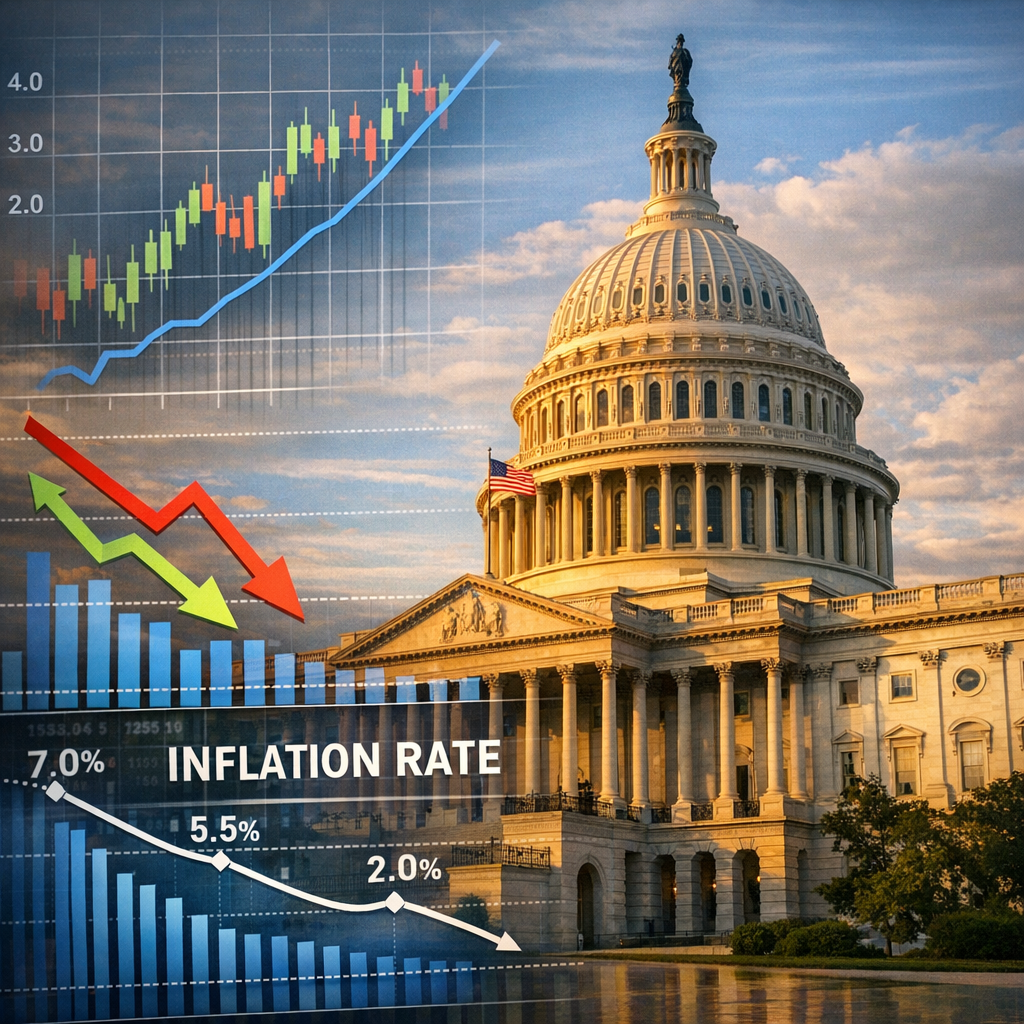
Recent economic analyses point toward moderate growth. In 2025, real GDP increased by about 2%, despite disruptions such as the government shutdown late in the year. Inflation remained elevated, especially for goods affected by tariffs and for energy, even as services inflation eased. Unemployment has held near historic lows around 4–4.3%, though job growth has begun to slow. Productivity growth has helped offset some economic headwinds.
The Congressional Budget Office projects growth in 2026 to remain steady, aided by policies increasing investment and the effects of reconciliation legislation. Inflation, though, is expected to taper gradually but stay above the Federal Reserve’s 2% target for some time. Federal deficits remain large, and demographic trends—slower labor force growth and aging population—are increasing structural pressures.
How Americans Are Feeling
Public sentiment remains cautious. Surveys show only about a quarter of U.S. adults rate the country’s economic condition as excellent or good. Nearly half say things are “only fair,” while more than a third view them as poor. Concerns are highest around the rising cost of health care, housing, food, and energy. The issue of inflation—particularly for everyday goods and basic needs—is shared across political lines.
Partisan perspectives diverge sharply. Republicans are more likely than Democrats to say economic conditions are improving under current policies, while Democrats overwhelmingly view many of the same policies—especially tariff increases and regulatory changes—as contributing to economic stress.
Where Things Could Go From Here
The U.S. faces a number of ongoing trade-offs. On the one hand, inflation pressures—driven by energy prices, tariffs, and global instability—could complicate policy decisions, especially for interest rates. On the other, economic growth is likely to be constrained by supply-side factors: aging labor force, slowed population growth, and challenges in housing supply.
Several areas demand attention if growth is to be broadly shared and sustainable:
- Policy choices on tariffs, trade, and regulation that affect prices and global supply chains.
- Efforts to ease cost of living pressures—particularly housing, health care, and energy.
- Maintaining labor market stability while addressing structural weaknesses, like population aging and regional disparities.
- Fiscal balance to manage deficits without stifling investment or safety nets.
What Local Voices Should Watch
Here in communities like Stillwater and across Minnesota, these national trends matter. Rising energy costs, housing shortages, and food price inflation are felt deeply. Local employers versus labor supply constraints may shape hiring. Federal policy changes—tariffs, infrastructure spending, health care funding—can have ripple effects in public budgets and household finances.
Staying informed about signals coming from Washington—Fed meetings, budget proposals, trade policy—helps local voters and businesses anticipate changes that reach far beyond Capitol Hill.
— Liam Anderson