

PFAS and Drinking Water Safety
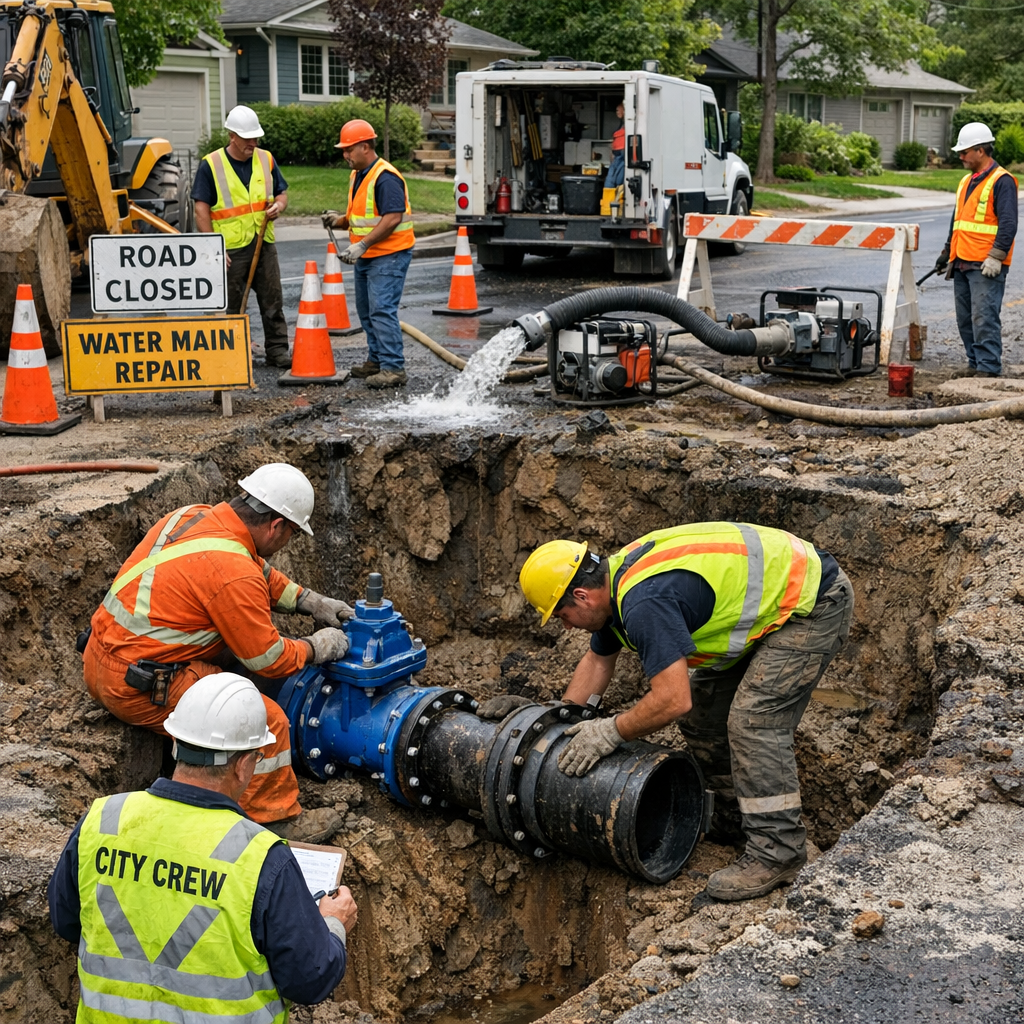
Stillwater is advancing a project to build a treatment facility for PFAS (per- and polyfluoroalkyl substances) at Well #10, located near Orleans Street by Benson Park. Two wells—Well #6 and Well #10—had PFAS levels above federal standards; Well #9 was just under. To restore Well #10 safely into service, a temporary treatment facility is being built, with engineering design expected to be completed soon, and operations to start in spring when water use typically rises. This work is being supported by state loans and grants, with matching funds planned. While this development may involve some disruption in the local area, the city is planning design features to help blend the facility into the neighborhood and is committed to keeping residents informed.
Major Street and Intersection Work
The City has a full slate of infrastructure upgrades in motion. Key among them is the 2026 Street Improvement Project, which includes Myrtle Street’s enhancements. Other critical projects include replacing galvanized water service lines, a gas line replacement by Xcel Energy around Hickory Street West and Fourth Street North, and the Washington-Frontage Road Intersection Study to manage growing traffic and improve access. State projects also play a role: MnDOT plans to replace the electrical cable for the Stillwater Lift Bridge in 2026, among other metro area road works that affect travel in and around the city.
Zoning and Planning Changes
Stillwater’s planning department is working on simplifying the city’s zoning code. With 26 zoning districts—up from just eight in previous decades—the complexity has become a concern. Proposed changes include reducing the number of districts, streamlining use tables, and clarifying regulations. There’s also a Parks Master Plan draft now open for public comment, which will shape how park space is preserved, improved, or expanded citywide.
Budget Pressures and City Priorities
The city’s 2026 budget proposal reflects rising costs of operations, pressures on public safety staffing, and infrastructure needs such as road repairs and utilities. To address future debt and increased demand for services, the administration proposes revenue enhancements, careful financial planning, and prioritization of key projects like roadway improvements and maintaining vital community facilities. Property levy increases have been recommended to balance the budget.
Why These Projects Matter
- Water security: PFAS treatment ensures that residents can rely on safe drinking water moving forward.
- Commuting and traffic: Street, intersection, and bridge projects are sized to reduce congestion and improve safety.
- Clarity in development: Updating zoning codes helps both residents and developers understand what’s permitted and what changes may be coming.
- Financial sustainability: Budget decisions now aim to prevent higher costs—or missed maintenance—down the road.
What to Watch For
If you live near Well #10, watch for alerts about construction timelines. For those who drive through city corridors, keep tabs on street improvement announcements, lane closures, and detours. Residents interested in development, parks, or public participation should review the draft zoning code changes and Parks Master Plan, and make their voices heard during open comment periods.