

By Liam Anderson
Economy: Inflation, Interest Rates, and Debt Risks
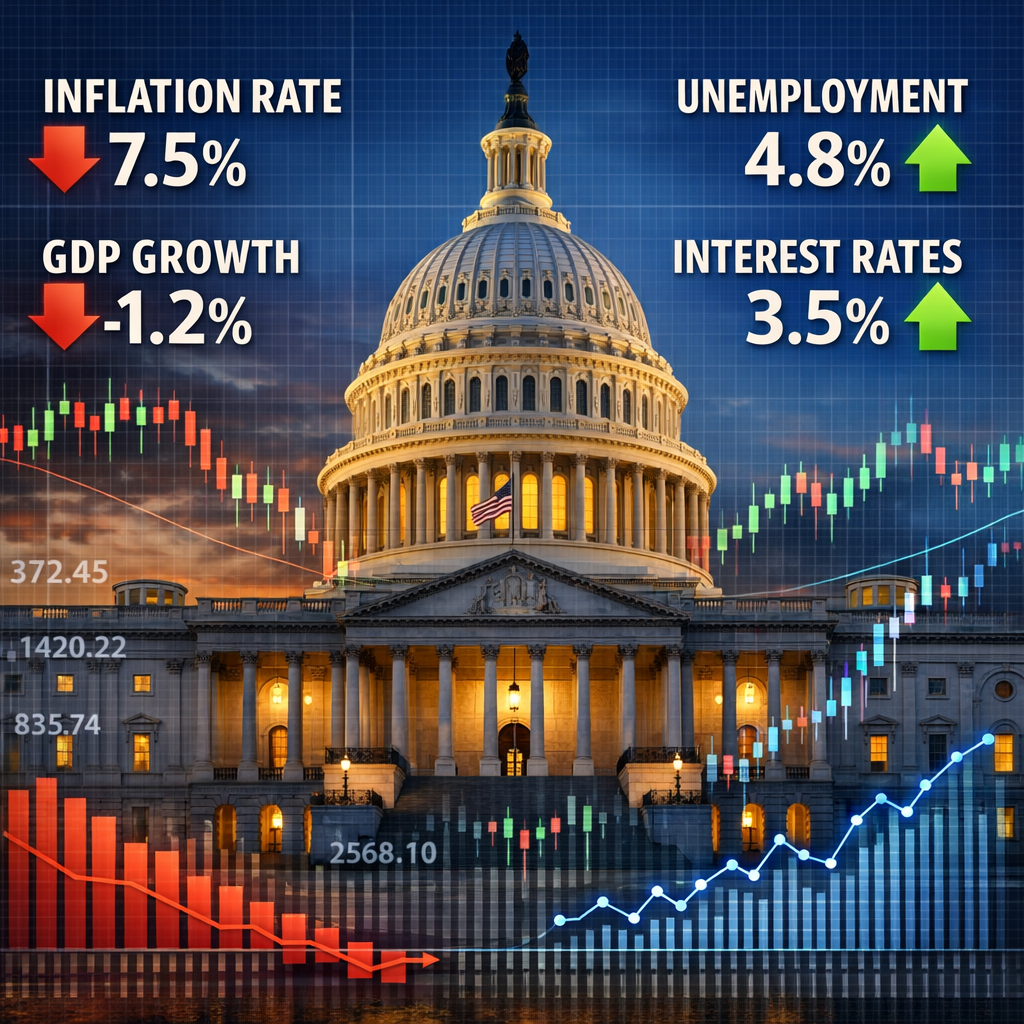
The U.S. economy is facing a delicate balancing act. Inflation, especially driven by tariffs and rising prices of goods and services, remains above target although there are signs of easing. According to recent Congressional Budget Office projections, inflation—measured by the personal consumption expenditures index—is expected to decline from around 2.7–2.8% into the mid-2020s, eventually moving closer to the Fed’s long-run goal of about 2%. However, core inflation (excluding food and energy) is likely to remain persistently elevated for a while.
Interest rates are also in focus. The Federal Reserve’s tightening policies have elevated short- and long-term rates, in part to tame inflation. But rising yields on government bonds are drawing concern: they can increase borrowing costs for consumers and government alike, impacting mortgages, credit cards, and public debt service. If yields stay high, economic fragility could increase.
Meanwhile, federal debt remains a major concern. Projections show deficits growing, even as borrowing costs rise. Higher debt levels reduce fiscal flexibility, and may crowd out private investment if not managed carefully. For communities like ours, that could mean less federal support and greater pressure on local governments to deal with cost increases.
Politics: Polarization, Public Trust, and Institutional Change
On the political front, many Americans appear to be growing more pessimistic about government and the tone of national politics. A new typology analysis by Pew Research Center outlines nine distinct political groups that reflect values, beliefs, and trust in institutions—with fewer people falling neatly into traditional red or blue camps. Polarization remains entrenched, but this research suggests public sentiment is more complex than just two sides.
Adding to this is a recent Supreme Court ruling that upheld birthright citizenship under the 14th Amendment, blocking an executive order that sought to change that longstanding precedent. This ruling, among others, underscores the ongoing tension over presidential power, constitutional interpretation, and civil liberties.
Implications for Public Life in Stillwater
So what does this mean here in Stillwater? Local businesses and homeowners may already be feeling the effects of inflation and rising interest rates—on everything from loan payments to everyday expenses. Meanwhile, state and local leaders will need to prepare for tighter federal funding as deficits increase and priorities shift. These economic headwinds could strain local services if not anticipated.
Politically, both citizens and officials are operating in a climate of deep mistrust toward institutions. For civic health, efforts to strengthen dialogue and transparency are more important than ever. Understanding the rising complexity of political identity (as shown by the typology findings) might help local civic leaders steer discussions toward common ground rather than division.
Looking Ahead
While economic risks and political divides pose real challenges, there is also reason for cautious optimism. Inflation projections suggest price pressures could ease more of 2026. Strong institutions—courts, research bodies, and civic organizations—continue to act as stabilizing forces. For Stillwater, staying informed, engaged, and proactive will be key to weathering national trends and protecting local well-being.