

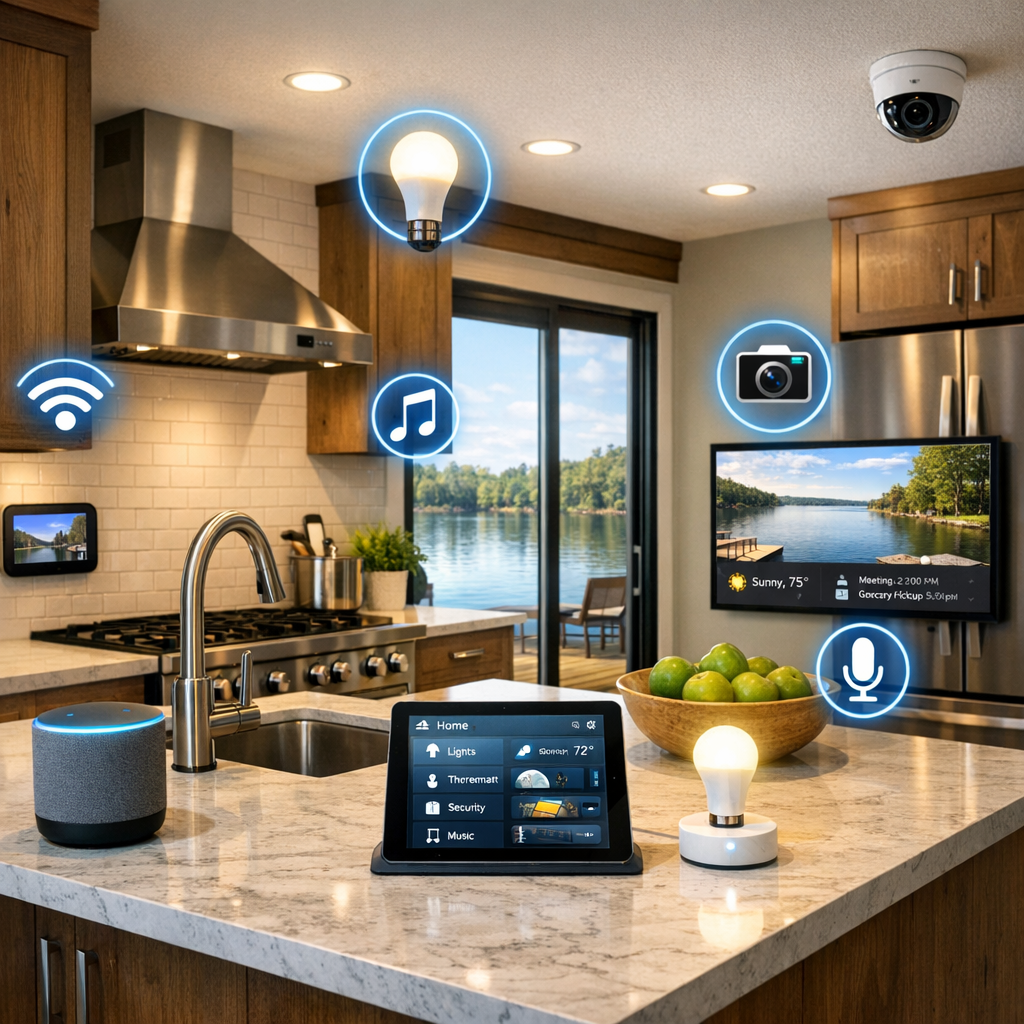
In Stillwater, we often think something big has to happen for technology to make a difference. But increasingly, it’s the small moments—adjusting the thermostat remotely, setting a robot vacuum, using AI to write emails or plan schedules—that are quietly reshaping how we live and work.
AI goes local: not just for scholars or tech giants
New national data shows over half of U.S. adults have used AI tools recently—for anything from online search to helping at work. Many people report AI making them more productive without replacing human effort. For small business workers, AI is mostly a support tool, used frequently for writing, editing, and routine tasks. This shift echoes in Minnesota and areas like Stillwater where entrepreneurs and service providers are relying on AI tools to stay nimble.
Plug-in gadgets, quiet impact
Meanwhile, estimates show most American homes now own a smart device—smartphones, smart TVs, voice assistants—even robot vacuums and smart thermometers are growing more common. These devices take over household chores and let people reclaim time. In a community like Stillwater, that means less stress juggling errands, chores, and family life.
Tight-knit tech: when tools work together
Smart home ecosystems—devices talking to each other—are no longer futuristic. With dozens of connected devices per household becoming more normal, interoperability matters. Pairing a smart doorbell with security lights or automating routines like “goodnight mode” across devices simplifies life in ways many barely notice until they’re without them.
Challenges under the surface
These conveniences come with tradeoffs. Data privacy worries are rising nationally, with surveys showing more concern over what personal information AI systems and connected devices collect. And then there’s the skills gap: not everyone feels confident setting up advanced tools or troubleshooting when things go wrong. These gaps are especially real for older residents or those less tech-connected.
What to try if you’re curious
- Start small: add a smart plug or schedule that thermostat.
- Use free or low-cost AI tools to draft letters, plan events, or organize household chores.
- Create routines: combine voice assistants, lights, and locking systems in timed automations.
- Explore local trainings or groups—sometimes just talking to neighbors or grabbing help from your network is enough to get going.
In Stillwater, elder households and young tech enthusiasts alike are part of this gradual shift. It’s not flashy—it’s just life made a little easier, step by step.