

By Olivia Johnson
Earth Has Crossed A Critical Climate Line
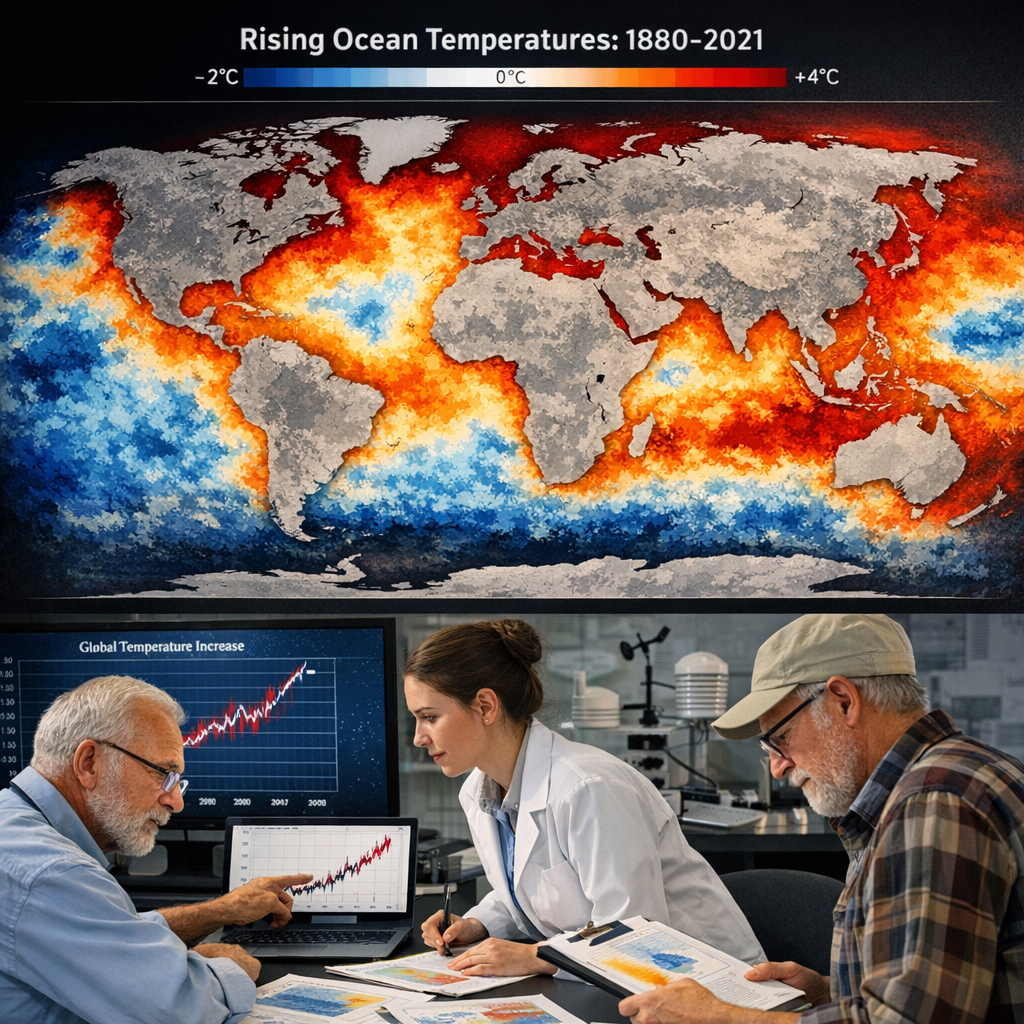
A recent United Nations Environment Programme report states that global warming has already breached the 1.5 °C threshold compared to pre-industrial times, the most ambitious goal set by the Paris Agreement. The document warns that without rapid reductions in coal, oil, and gas use, some of the worst climate change impacts are now unavoidable.
What Are the Consequences?
Heat Extremes and Ecosystem Stress
Crossing 1.5 °C means more frequent and more severe heatwaves, especially in already hot regions. Ecosystems—such as coral reefs, rainforest systems, polar and alpine zones—are under intensifying stress, with risks of collapse growing.
Displacement, Food, and Water Insecurity
Communities in vulnerable geographies face escalating risks. Rising sea levels threaten coastal settlements. Droughts jeopardize crops and water supply. These pressures are already contributing to rising global displacement and humanitarian crises.
Which Nations Speak Out and Risk Most?
In recent discussions, Pacific Island leaders during a summit held in Palau emphasized how small nations—though contributing minimally to emissions—are bearing disproportionate damage. They are leveraging increasing geopolitical interest in their regions to demand compensation and stronger promises from major polluters.
Meanwhile, developed countries are under renewed pressure to both cut greenhouse gas emissions and provide financial support for climate adaptation in low-income nations. The tension between mitigation and adaptation efforts continues to shape global climate diplomacy.
Avenues Still Open for Action
Rapid Energy Transition
Switching from fossil fuels to clean energy—such as wind, solar, geothermal—is the most urgent single step. Accelerating innovation, reducing costs, and creating transparent policy frameworks are essential.
Strengthened Climate Finance & Diplomacy
Developing countries require funds not only for mitigation (reducing emissions) but for adapting to changes already underway. Mechanisms like loss-and-damage compensation, green bonds, and grant-based climate aid are central to the conversation.
Sustainable Planning & Local Resilience
On the ground, urban planning, infrastructure design, water conservation, and resilient agriculture matter. Communities everywhere—from rural villages to major cities—need to build resilience to heat, extreme weather, and shifting rainfall patterns.
Why It Still Matters Locally
Here in Minnesota and across the Midwest, signs of warming are already visible: hotter summers, unpredictable rainfall, challenges for farmers and water-management systems. What happens globally directly affects us—in food supplies, in energy costs, and in migration patterns.
Surpassing 1.5 °C doesn’t make action pointless. It raises the stakes, especially for those most vulnerable. The time for stronger commitments isn’t past—it’s now.