

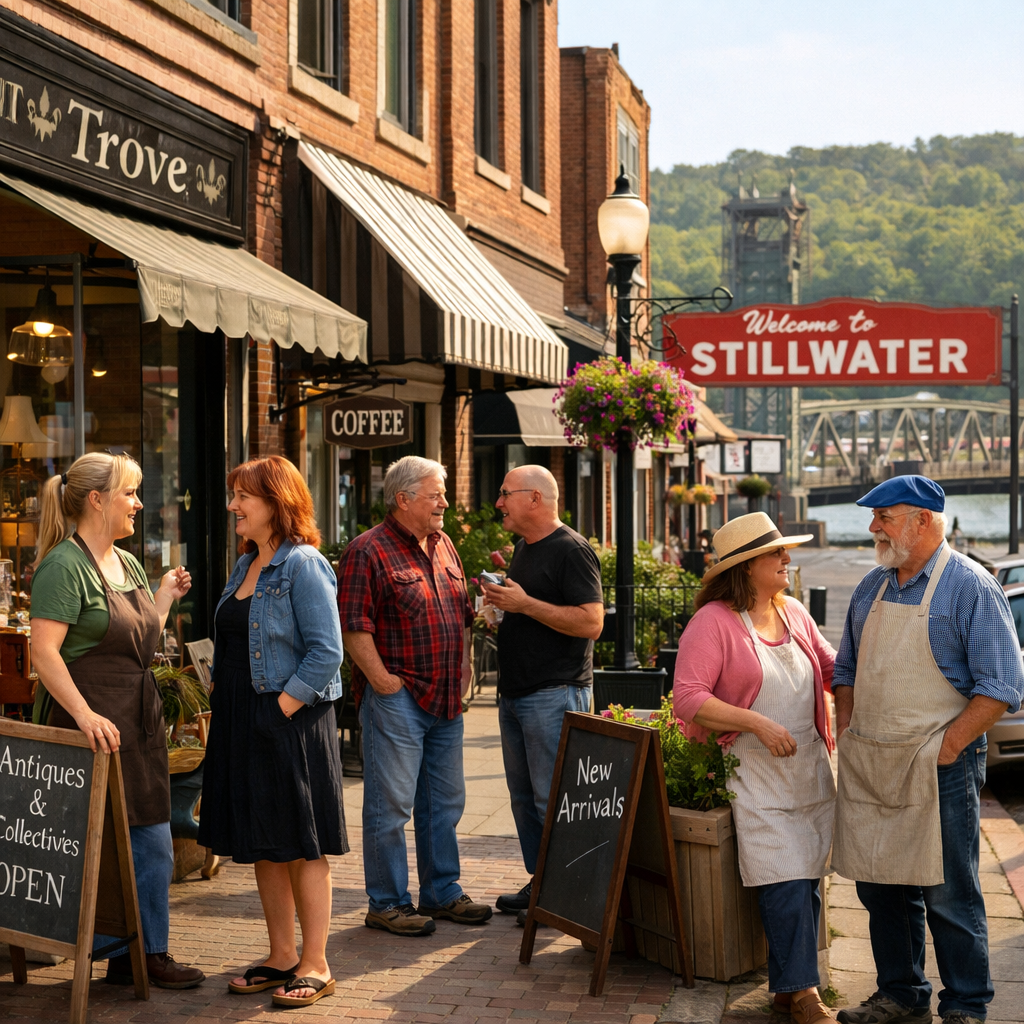
Over recent years, Stillwater and Washington County have seen steady economic shifts that are shaping the local business and job landscape. From rising incomes and housing values to growing employment in key industries, there’s both momentum and pressure facing entrepreneurs and established businesses alike.
Key economic indicators in motion
Washington County now hosts nearly 96,500 jobs spread over more than 7,000 business establishments. Between 2020 and 2025, the region added over 12,400 jobs—an almost 15% growth, higher than many neighboring counties.
Yet while some sectors like manufacturing, construction, and retail trade are strong employers, average wages vary widely: for example, manufacturing jobs average significantly higher pay than food service or retail.
Meanwhile, in Stillwater itself, the median household income is up to about $105,800, housing values have jumped more than 50%, and the share of people working from home has risen from around 5% to nearly 22%. Home rental costs also grew faster than many expected.
These shifts indicate broad prosperity, yet they also underscore rising living costs and affordability pressures.
Key sectors fueling job growth include health care, education, construction, and professional services. Though some industries — such as arts, entertainment, and hospitality — remain vital, they offer lower wages and are more sensitive to economic swings.
Local business & entrepreneurship trends
Small businesses—especially those with fewer than 20 employees—remain the backbone of Stillwater’s economy and identity. They are places of innovation, craftsmanship, and personal service.
New ventures are appearing alongside long-standing artisan shops. A recent example: a downtown sandwich shop launched by a 20-year-old entrepreneur, built on local mentorship and a narrative of community need.
Craft markets and artisan collectives show robust support, and local retailers are embracing blended models of physical storefronts and online presence.
Opportunities & challenges ahead
Growth opens doors: support programs for small businesses and entrepreneurship are part of Stillwater’s economic development strategy, including assistance, mentorship, marketing, and efforts to activate under-utilized properties.
Yet several challenges are becoming more pronounced. Housing affordability is tightening, and rising home values and rents risk excluding new or lower-income entrepreneurs. Wage disparities across industries may limit retention of workers.
Additionally, businesses in sectors with lower average payrolls — such as hospitality or retail — are especially vulnerable to inflation, consumer spending shifts, and rising operational costs.
What this means for local entrepreneurs
If you’re thinking of starting or growing a business in Stillwater, here are a few things to keep in mind:
- Location and space: Downtown Stillwater remains appealing due to foot traffic and historic character, but space is limited and often costly. Exploring underused spaces or partnering with local agencies may help.
- Industry choice: Health, education, professional services are growing; food, retail, and craft industries continue to thrive but tend to have tighter margins.
- Pricing & wages: Expect increasing pressure to offer competitive wages and to manage costs like rent, utilities, and supplies carefully.
- Community engagement: Customers in Stillwater value local, authentic, community-oriented businesses. Building local partnerships and serving residents as well as visitors can offer an edge.
Overall, Stillwater stands at an economic crossroads: buoyed by growth and entrepreneurial energy, but facing real constraints. For businesses that navigate wisely, there’s opportunity to contribute to and benefit from a future that values both prosperity and place.