

By James Larson
Weather Normals You Still Find in Stillwater
On average, Stillwater sees cold January nights averaging about 5°F, and summer highs in July around 79°F. Annual precipitation totals sit near 33 inches, with June typically the wettest month. These patterns have been relatively stable over the 1991–2020 period, forming the baseline many residents still expect each year.
What’s Changing: Growing Season, Wildlife, and Winter Ice
Longer, warmer, wetter winters
Winters in Minnesota are warming at a faster rate than summers, with nighttime lows and cold extremes easing more quickly than hot ones. We’re getting fewer extremely cold days, and winter precipitation is shifting: more of it falling as rain instead of snow or ice. These shifts aren’t just uncomfortable—they ripple through our ecosystems. Minnesota DNR’s climate trends show winters warming 2 to 3 times faster than summer temperatures over the past decades. The University of Minnesota’s ecological studies project reduced snowpack, more winter rain, and fewer very cold days in Stillwater’s broad region.
Earlier springs, longer falls
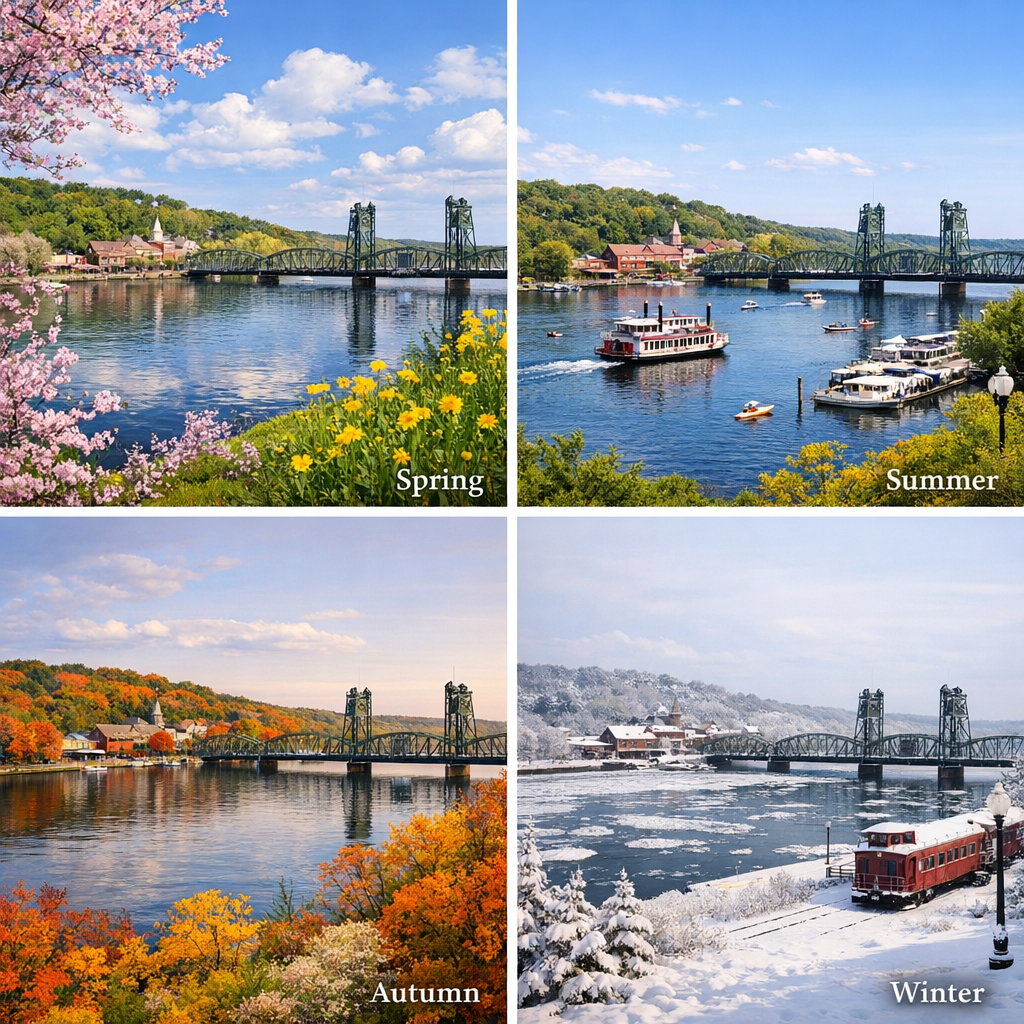
With mean temperatures rising, spring’s green-up—from flowering and leafing to bird migration—is coming earlier. Local flowering trees and plants may begin budding sooner than older gardening norms. Similarly, autumn is stretched: leaves linger, fall coloration may be delayed, and the first frost often arrives later.
Lake ice changing winter’s rhythm
Lakes in our region are freezing later and thawing earlier. Ice-out dates in many cases have shifted by a week or more compared to mid-20th-century norms. Less ice cover affects ice fishing, water clarity, and wildlife that depend on stable winter habitats beneath the ice.
Ecosystem Impacts in our Neighborhoods & Waters
Fish, loons, and warm water species
Fewer coldwater fish like ciscoes are being observed in smaller, warming lakes. At the same time, species that thrive in warmer water—such as bass—are gaining ground. Local loons are sensitive to changes in ice duration and water temperature; disruptions to their food chains or nesting timing could put pressures on populations that are part of what makes Minnesota special.
Trees and growing importance of resilience
Native forest species that evolved under harsher winters are facing stress, while drought-tolerant oaks and maples are gradually becoming more competitive in places they once wouldn’t have thrived. Forest understory plants, soil moisture, and pest pressures are also shifting. Areas with mixed-species forests are more resilient to disturbance, while monocultures or low-diversity woodlots in and around Stillwater may be more vulnerable.
Weather extremes and local vulnerability
Washington County’s climate hazard assessments show increased risk from heavy precipitation, flooding, and variable weather events. Intense rainfall over short periods, especially in spring and summer, can lead to urban runoff challenges, erosion along the St. Croix, and stress on infrastructure in Stillwater.
What Residents Can Watch & Do
- Keep phenology journals: record when certain plants bloom, leaf out, or when migratory birds arrive. These clues can help you track change year after year.
- Plant native, climate-adapted species. In home gardens or public planting projects, favor species resilient to warmer winters and droughts.
- Support local water quality: reduce chemical runoff, maintain shoreline vegetation, and prevent erosion to protect our lakes and rivers.
- Stay informed about severe weather risks—flooding, storms—and engage with local hazard maps or county planning efforts.
Why It Matters—Beyond the Weather
Shifts in weather patterns may seem abstract, but they affect every part of life here: the timing of community festivals, when maple syrup flows, how our forests feel underfoot, even energy bills. They influence recreation, health, wildlife, and our connection to what makes Stillwater’s natural surroundings special. By paying attention—and acting locally—we can steward these environments that shape our sense of place.
Stay tuned for future updates where we’ll examine specific species, flood zones, and community-level resilience strategies.