

By William Smith
Signs of Economic Strength
Stillwater’s economy has grown steadily in recent years. The population has increased to about 19,300 residents, while median household incomes are over $105,000—well above state averages. The average home is now valued around $414,000, and homeownership remains strong. These numbers reflect a community that is solidly middle-to-upper income and increasingly well-educated. At the same time, the number of households working from home has climbed sharply, reflecting growing flexibility in work arrangements.
Small Businesses Leading Local Employment
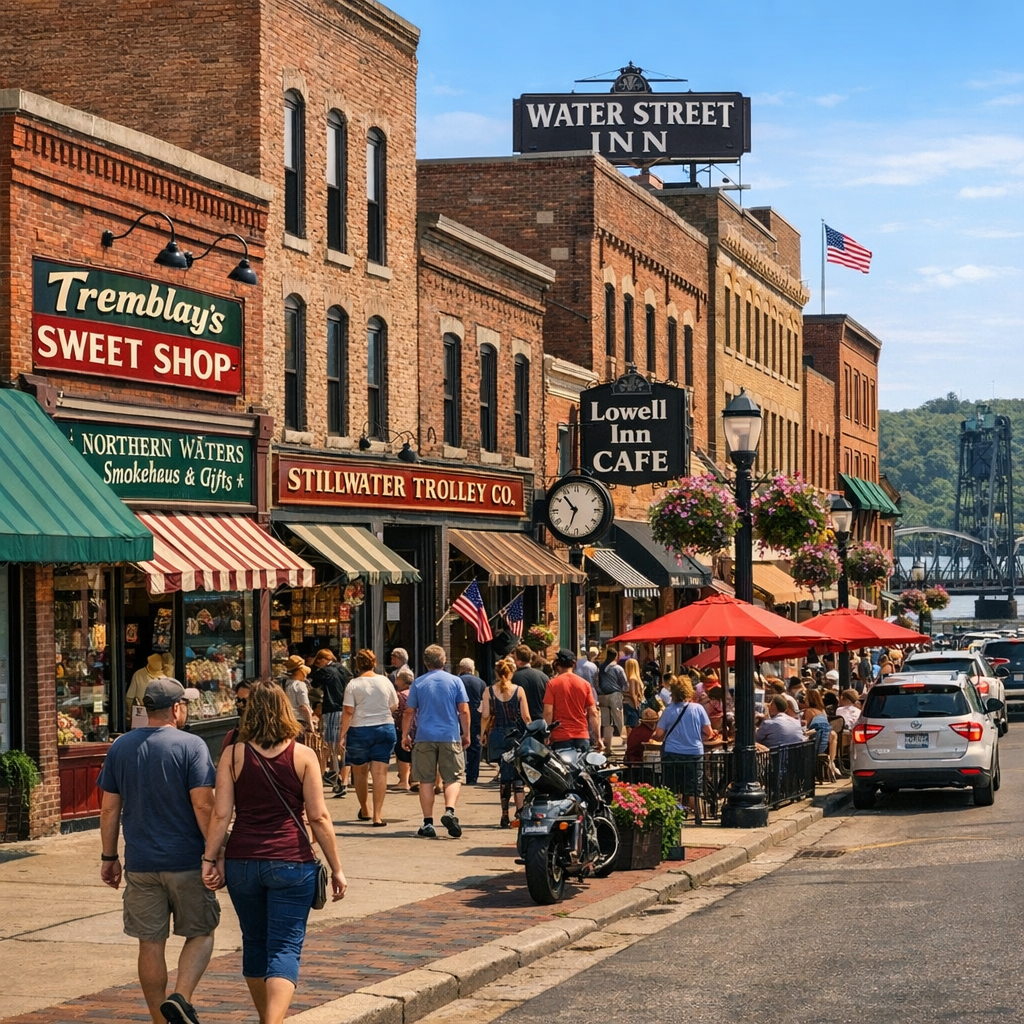
Small businesses continue to anchor Stillwater’s local economy. Retail trade, food service, and hospitality employ a large share of local workers, especially downtown. A recent report from the state shows that while larger firms’ share of employment has slipped, smaller businesses are adding jobs and maintaining resilience.
Current Struggles Down Main Street
Rising costs are squeezing small business margins. Several downtown Stillwater owners point to higher prices for rent, supplies, and utilities, coupled with slower sales. One local arts retailer recently shuttered its second location after citing unsustainable overhead and reduced foot traffic. Events and festivals attract tourists, but they haven’t been enough to offset month-to-month tough sales.
Takeaways from Strategic Planning Efforts
The Stillwater Chamber of Commerce and city leaders are working on strategies intended to support sustainable growth. Current efforts include:
- Boosting partnerships between the City, educational institutions, and entrepreneurs,
- Providing incentives and better preparation for property development,
- Investing in workforce skills and promoting local businesses through improved storytelling.
Balancing Opportunities and Risks
Stillwater’s economic strength offers real opportunity—but also risks. As housing values and rents rise faster than incomes in some cases, affordability may become a concern. Downtown businesses may face limits in attracting enough consistent traffic to stay viable under rising operating costs. Meanwhile, the increase in remote work provides flexibility for residents—and competition for local enterprises. Continued efforts to support small businesses and maintain balanced growth will be crucial for ensuring economic health and community quality of life.