

By Olivia Johnson
Across the globe, a handful of intersecting developments are emerging not just as news items, but as forces reshaping international norms, economies, and risk landscapes. For communities in Stillwater—and everywhere else—it’s worth understanding how these strands connect and where we may be headed.
1. Escalating conflict in the Middle East and global ripple effects
What was once a regional confrontation has over half a year become a catalyst for broader instability. The war involving Iran—facing U.S. and Israeli action—has dragged on, with sanctions tightening and retaliatory threats mounting. Tehran has warned that any country supporting sanctions could be treated as engaged in an act of war. Meanwhile, regional powers are seeking off‐ramps for diplomatic resolutions as the conflict has outlasted early expectations. These tensions, especially in the Gulf area, aren’t isolated: they’re tightening global supply of energy and sending shockwaves through global markets and political alignments.
2. Uneven global growth amid technology’s surge
While global economic expansion is projected to be around 3.0 percent in 2026, the recovery is anything but uniform. Economies reliant on exports, especially those integrated into the growing artificial intelligence value chain, are seeing more opportunity. Others—especially energy importers and those without dynamic tech sectors—are struggling under inflation, debt stress, and disruptions to energy supply. Inflation has eased somewhat in some places, but globally, disinflation trends have stalled. Policymakers are balancing on a knife-edge: manage inflation, support investment, but avoid destabilizing public finances.
3. Climate shocks loom larger
Experts warn that climate events risk becoming more intense and frequent. Extreme weather—cyclones, heat waves, heavy rainfall—are stressing vulnerable regions. Pressure from conflicts, energy crises, and food insecurity compounds these risks, especially for countries already coping with economic fragility. The trajectory is clear: without concerted action in mitigation, resilience, and global cooperation, future events may reach levels of severity that are difficult to absorb.
4. Emerging disorder in global governance
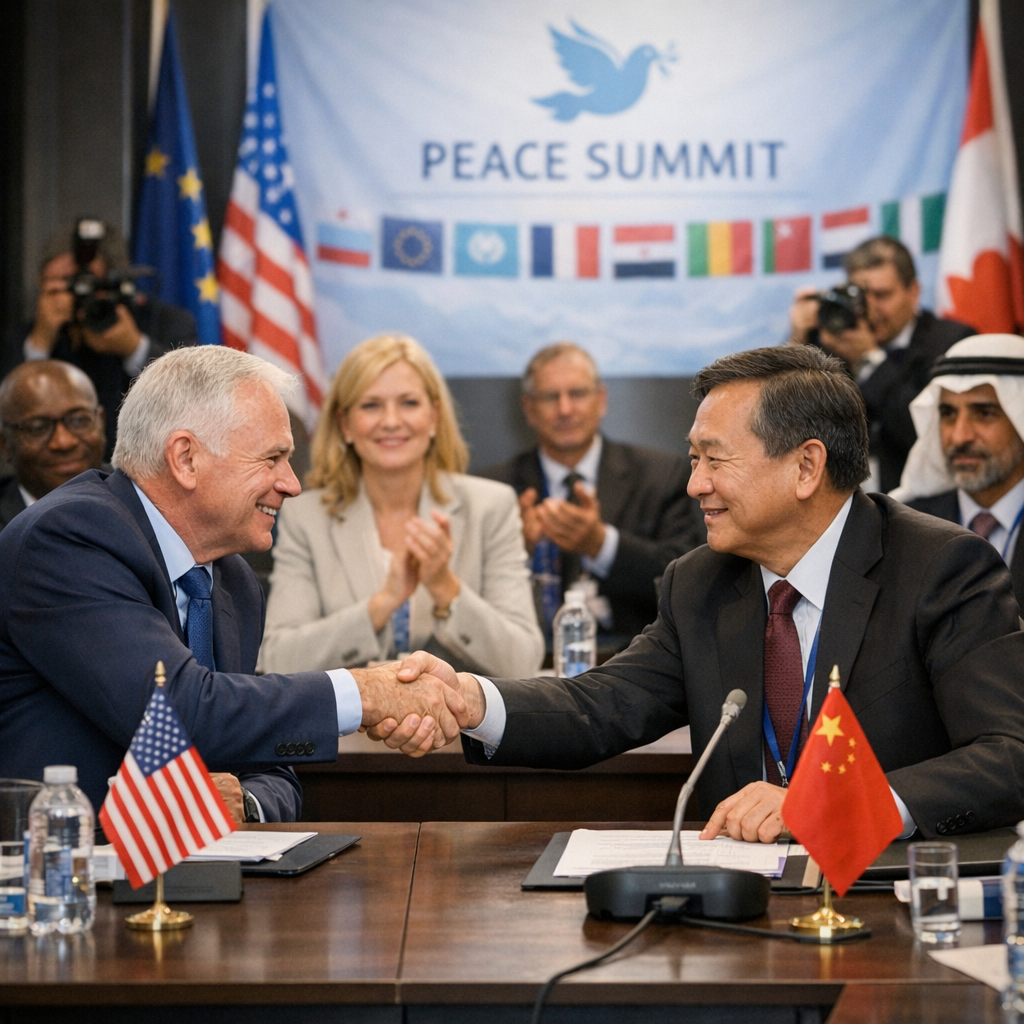
There’s growing concern over eroding trust in international institutions and norms. Global military spending is rising. Aid agencies estimate that over one‐quarter of humanity lives in conflict‐affected areas, with hundreds of millions needing humanitarian assistance. Additionally, trade tensions, regulatory fragmentation, and strategic competition—especially over natural resources and technology—threaten collaborative frameworks. In short, what many once considered exceptional crises are increasingly becoming structural challenges.
What Stillwater readers might want to follow
- Energy prices and supply disruptions—how they affect household budgets and local economies.
- Technology and AI regulations—these developments set the rules for what’s coming next.
- Climate adaptation funding—especially for communities facing weather extremes.
- How global conflicts may influence refugee movements, migration policies, or international trade affecting agricultural prices.
Globally, we’re living through a moment of realignment—conflicts are expanding, economies are diverging, and climate is demanding urgency. The choices made now—by governments, businesses, and citizens alike—will shape whether we move toward greater disorder or toward resilience and cooperation.