

By Olivia Johnson
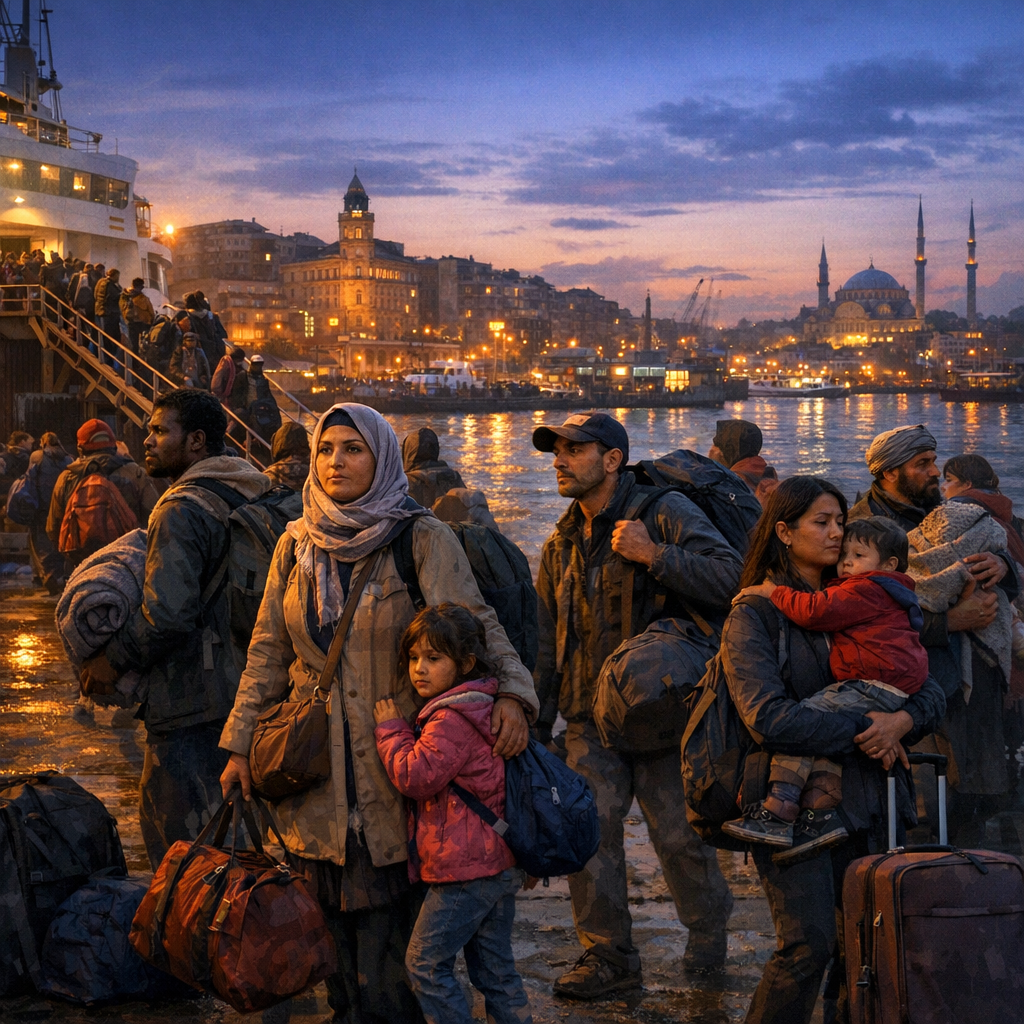
When we see headlines about migration, they often focus on specific crises or policy debates. But a sweeping new overview shows migration is far more than individual stories—it reflects deep, evolving global forces reshaping societies, economies, and identities.
How many people are migrating—and how fast?
By mid-2024, some 304 million people—about 3.7% of the world’s population—were living outside their country of birth. That’s the highest number on record and represents roughly a 10% increase since 2020. Despite this rise, most global migration remains internal—that is, people moving within their home countries. (Data from IOM and Migration Policy researchers.)
What’s driving migration today?
There are a few major reasons people are moving across borders:
- Economic opportunity. Migrant workers make up the largest portion of international movers, often seeking better jobs or wages.
- Conflict and displacement. By the end of 2024, more than 120 million people were displaced worldwide, including refugees, asylum-seekers, and others who cannot safely stay in their homes.
- Inequality in mobility. Access to safe, regular pathways tends to be easier for people from higher-income nations. For many others, migration involves risk, uncertainty, and barriers.
- The climate factor. Environmental changes—from drought to storms—are increasingly woven into migration decisions either directly or indirectly, especially in vulnerable regions.
How migration benefits—and challenges—countries
Migration is not just about numbers. It has real impacts:
- For countries sending migrants: Remittances—money sent home—continue to outpace many forms of foreign aid, supporting livelihoods, health, and education in communities left behind.
- For receiving countries: Migrants fill jobs where locals are scarce, contribute skills, and support economies. Yet integration challenges—including legal status, access to services, and societal inclusion—remain serious work in many places.
- Policy pressures: As migration grows, many governments are under pressure to design policies that balance security, human rights, and economic priorities. Cooperation between nations remains key.
What to watch in the coming years
Experts suggest a few trends to keep an eye on:
- Shifting migration corridors. Some regions are becoming more common origins or destinations, reflecting changing economic and political landscapes.
- More emphasis on safe, legal pathways. Evidence shows that restricting legal migration channels doesn’t stop migration; it often pushes people into unsafe routes.
- Integration over restriction. Nations are increasingly considering programs that support immigrant integration—education, labor rights, civic participation—alongside or instead of purely restrictive measures.
- Climate influence intensifies. As environmental stressors rise, migration driven by climate risks is likely to grow, requiring new policy tools and international cooperation.
Understanding these trends helps us view migration as more than a headline—it’s a global force shaping our world today. It intersects with economies, security, identity, and climate, demanding thoughtful responses from nations, communities, and individuals alike.