

By Emma Nelson
PFAS in the Water: A Proactive Fix
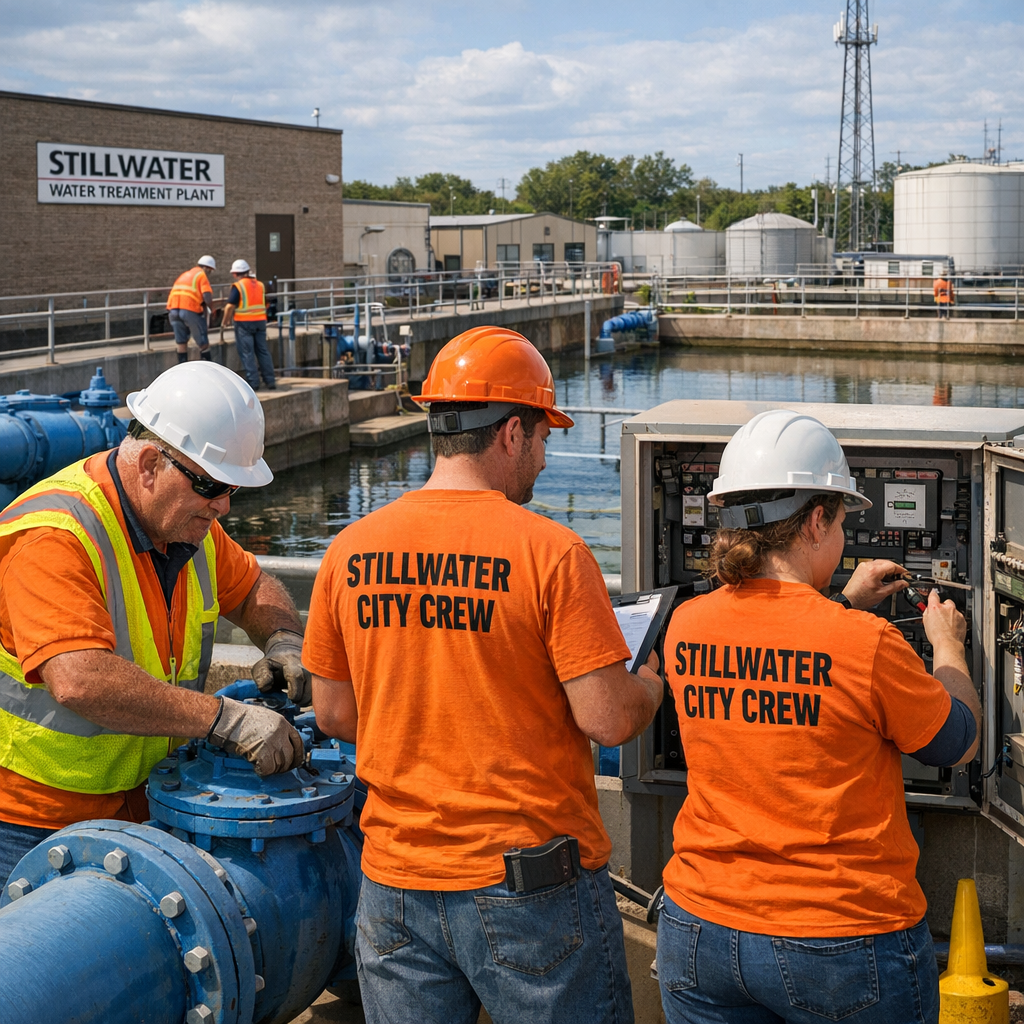
The City of Stillwater is moving swiftly to address PFAS contamination in groundwater. Two wells—Well #6 and Well #10—were taken offline after PFAS levels exceeded federal health guidelines. Work is underway to build a temporary treatment facility next to Well #10, so it can safely return to service. The long-term plan envisions a permanent PFAS treatment system spanning all city wells, ensuring clean, compliant drinking water. Funding is coming from state resources, including grants, and officials have made public engagement a priority. Stillwater assures residents that the current water supply remains safe as mitigation efforts proceed. (Latest project status: construction began; treatment expected shortly)
Street, Sidewalk, and Intersection Work
Street and road work continues across multiple fronts. The County Highway 5 (Olive Street) Phase 4 Improvement Project aims to replace aging pavement, update storm sewer systems, and add new sidewalks on the north side of the road—making this corridor safer and more walkable. Meanwhile, the city’s 2026 Street Improvement Project, water service line replacements, and gas line work are also underway in different neighborhoods. Construction timelines vary; delays or lane closures are expected in impacted areas. Residents are encouraged to watch for signage and project notices.
Growth, Zoning, and Neighborhood Design
The City Council and Planning Commission are wrestling with how development projects should align with Stillwater’s character and infrastructure capacity. One controversial proposal, known as the Brixton development, would turn several single-family lots into townhouse units. Critics argue its design deprioritizes pedestrian access—lacking sidewalks and public gathering spaces—and may worsen traffic at key intersections. City zoning code amendments are underway to clarify rules around density, walkability, and design review to help guide future development more evenly.
How Residents Can Stay Involved
- Review notices for neighborhood meetings and public hearings—these often provide direct input on road work and development design.
- Sign up for Stillwater’s email alerts—particularly for “Street Project Updates” and “Drinking Water Updates.”
- Contact city departments: Public Works handles infrastructure concerns; Community Development can clarify zoning and permits; utilities manages water issues.
- Attend City Council meetings or read agendas to see which upcoming projects might affect your block.
These issues—water safety, streets, walkability, and zoning—may come up differently in each neighborhood, but together they paint a picture of Stillwater at a crossroads. As projects move forward, the balance of infrastructure, quality of life, and community participation will shape what it means to be a Stillwater resident.