

By James Larson
As residents of Stillwater, we’ve probably noticed that the seasons are not what they used to be. Winters don’t bite as hard, springs come earlier (or linger late), and summer storms seem more unpredictable. These observations reflect deeper, documented shifts in Minnesota’s climate—changes that affect everything from flood risk and wildlife to gardening schedules and our day-to-day comfort.
Warmer Winters, Wetter States
Minnesota’s climate has grown significantly warmer and wetter over the last century. Since 1895 the average annual temperature in the state has risen by around 3°F, with winters warming at two to three times the pace of summers. Meanwhile, annual precipitation has increased by several inches—more rain, or more snow when temperatures allow—and heavy-rain events have become more frequent. These patterns align with what scientists expect as global climate shifts continue.
Seasonal Shifts We Can See and Feel
Extended Autumns & Mild Springs
Fall and spring are stretching out in many areas near Stillwater. Cooler temperatures hold off longer into fall and arrive later in spring. That means a longer transitional period—less sudden drops into winter, but also more time juggling fluctuating temps, unexpected freezes, and unpredictable storms.
Changing Snow, Changing Impact
With milder winters we see less consistency in snow cover and more freeze-thaw cycles. Snowfall accumulates differently, perhaps coming in bursts instead of staying on the ground for weeks. For Stillwater, this means greater risk of flooding during thaws, especially after heavy snow or ice events.
Environmental Impacts in Our Area
Wetlands Under Stress
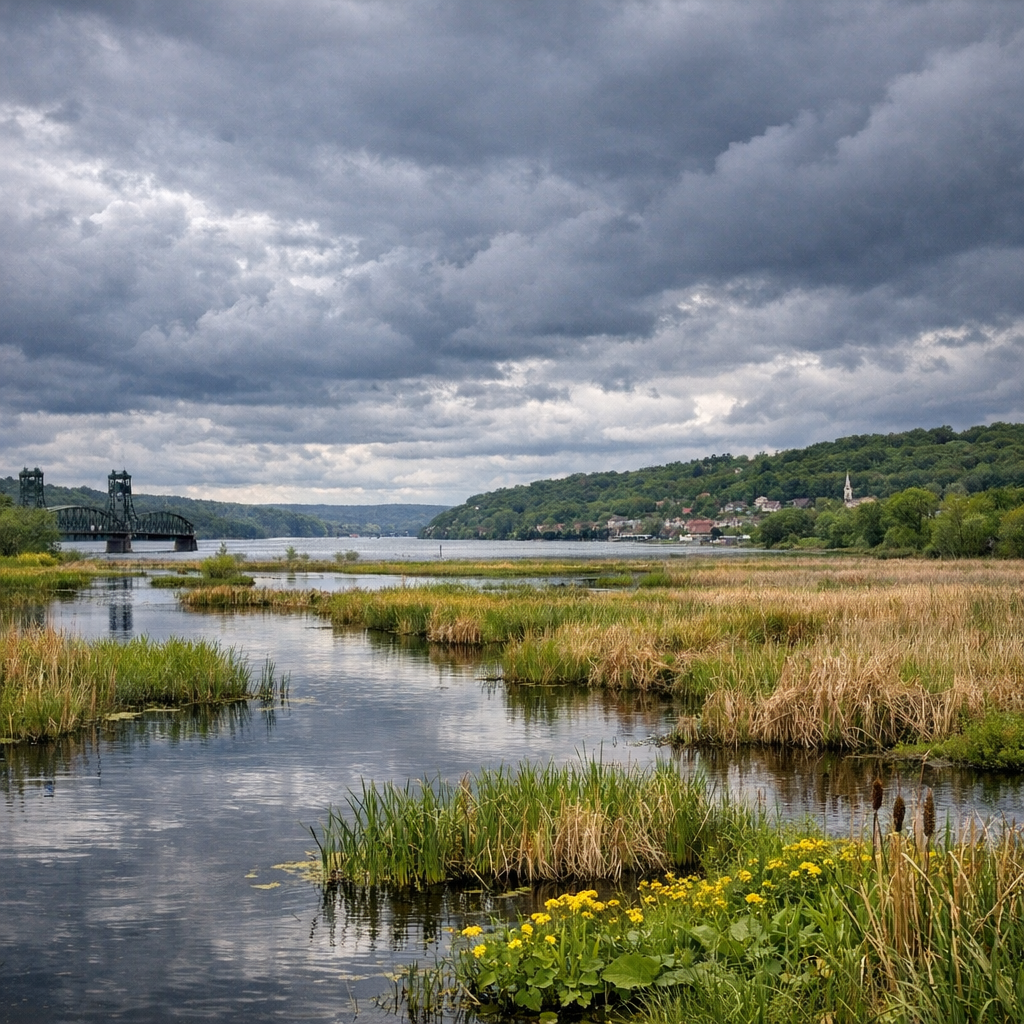
Wetlands are a critical buffer—soaking up floodwaters, filtering pollutants, and supporting wildlife. In Minnesota, we’ve lost about half of the original wetlands statewide. While losses in the metro area slow down, many wetlands are degraded by invasive species and development. Healthy wetland ecosystems are essential for climate resilience here.
Water & Stormwater Challenges
More intense rain means more runoff, which can strain our riverbanks, stormwater drains, and local streams. The Mississippi near Stillwater sees higher flow variability. Combined with warmer winters, this raises risks of ice jams, erosion, and strain on infrastructure during spring melt and heavy rain events.
What We Can Do Locally
Even though many climate trends are global, each community can take steps to adapt and protect what we love about our area.
- Restore and protect wetlands. Local conservation and restoration projects help wetlands buffer storms and store carbon.
- Adaptive landscaping. Plant native species tolerant of wider temperature swings; manage soil to retain more water during dry stretches.
- Stormwater planning. Incorporate green infrastructure—rain gardens, permeable pavement—to handle heavier rainfall.
- Community awareness. Stay informed about weather alerts, flood risks, and engage with local planning around land use and environment.
The climate around Stillwater is changing—and many of those changes are already reshaping our weather, environment, and way of life. By understanding what’s happening now, and preparing for what’s ahead, we can help preserve both community safety and the natural beauty that makes this area special.