

By Liam Anderson
Even from Stillwater, the pulse of national policy matters — from what groceries cost to how elections are run. Here’s a look at major shifts in the U.S. economy and Supreme Court rulings that carry implications for every American.
Economic Trends: Inflation, Growth, and Consumer Confidence
The U.S. economy expanded at a modest 1.5% annual rate in the second quarter, a downgrade from the previous quarter’s growth. Though consumer spending picked up, underlying economic strength remains mixed. Real strength came from investment and exports, but federal government spending dragged down the overall growth figures. Disposable personal income rose modestly, offering some relief to households. (Second-quarter GDP growth data is from BEA.)
Inflation continues to be a stubborn issue. The Consumer Price Index rose 0.1% in July, bringing the 12-month increase to 3.4%. Prices excluding volatile food and energy components ticked up slightly. While energy prices dropped somewhat over the month, costs for shelter, medical care, and services remain elevated. These increases are weighing on household budgets nationwide.
Consumer confidence has followed suit, falling to its lowest level in seven months. Persistent inflation and high energy costs — especially for gasoline — are cited as leading concerns. Uncertainty breeds caution, with signs that Americans are delaying big purchases or planning less for the future.
Supreme Court Decisions: Law, Power, and Democracy
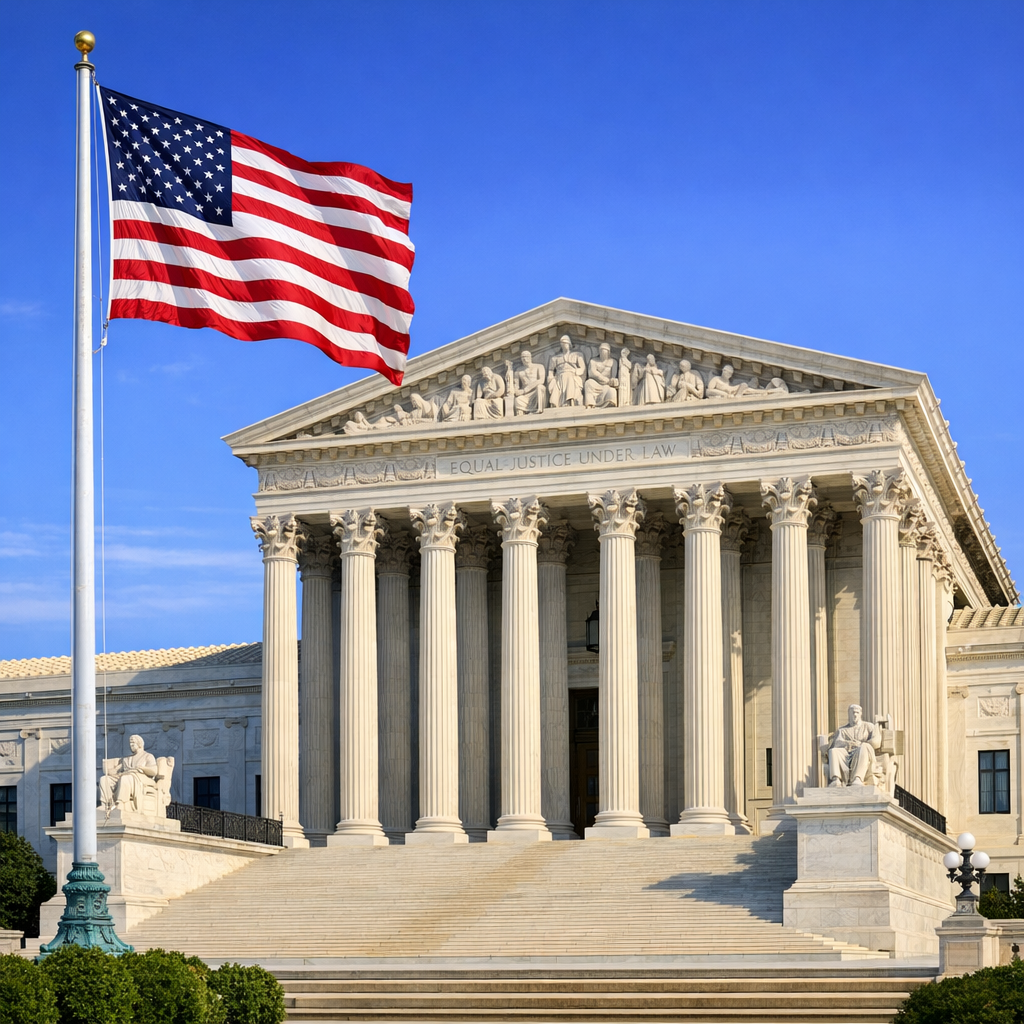
The Supreme Court wrapped up its latest term with rulings that reinforce sweeping themes you’ll see echoed in state and federal debates.
Executive Power Kept in Check
Some of President Trump’s wider claims of authority were overturned. The Court rejected his attempt to unilaterally change birthright citizenship rules and blocked efforts to remove a Federal Reserve governor outside the bounds of established law. The message: even a strong executive faces legal limits.
Voting Rights and Campaign Finance Reshaped
A ruling struck down longstanding campaign finance limits, intensifying debates over money in politics. There were also major rulings affecting the Voting Rights Act: some parts were weakened, leading to changes in electoral maps — and sparking concerns about representation in minority communities.
Why It Matters for Minnesotans
What happens in Washington doesn’t stay in Washington. When inflation is up, homeowners in Stillwater feel the squeeze at the grocery store and gas pump. Supreme Court rulings set legal precedents that can affect state laws — from election rules to campaign finance regulations.
Keeping up on national trends helps us stay informed: voters, consumers, and residents in Minnesota navigating uncertain times aren’t powerless — they can engage, advocate, and participate.
If you’re interested, I can dig into how these topics are playing out specifically here in our region — local responses, legislative behavior, and what we might see next. Just say the word.