

By Olivia Johnson
Escalating Humanitarian Emergencies
Millions are being swept into violent conflict zones around the world, and the fallout is heartbreaking. As of late 2025, 117.8 million people had been forcibly displaced by violence, persecution, and war—an all-time high. The largest single contributor to that number was Sudan, where ongoing civil conflict has driven 9.1 million people from their homes. These are not distant numbers; they represent families, entire communities ripped apart.
Countries in Critical Peril
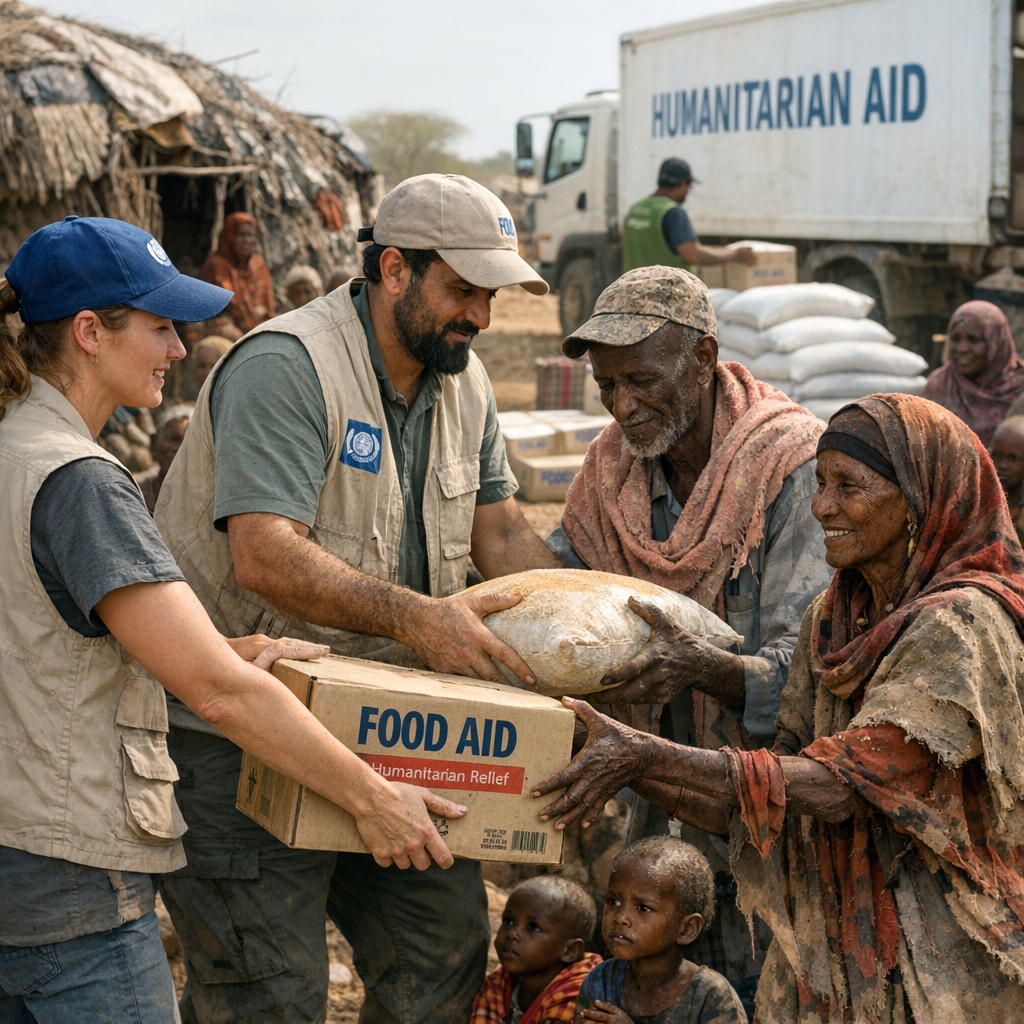
Some regions are on the brink. Somalia is grappling with acute food insecurity affecting over six million people, just as its funding for relief efforts has been slashed. Meanwhile, global bodies are warning that hunger will worsen in thirteen high-risk areas through late 2026, with over 266 million people already living with severe food scarcity. Conflicts, climate shocks, and financial constraints are converging in ways that risk catastrophic outcomes.
The Climate Curve: Rising Toward the Point of No Return
Humanity’s relationship with the climate is entering an increasingly dangerous phase. After a brief plateau, global temperatures—both air and sea surface—are climbing once again. The Northern Hemisphere, in particular, is heating up faster than ever, and land areas are leading the rise in temperatures. Scientists say recent warming trends have accelerated to nearly half a degree Fahrenheit per decade based on recent measurements.
What the Numbers Mean
These aren’t just abstract metrics. Temperature anomalies are affecting livelihoods, triggering food production shortfalls, increasing disaster risks, and pushing the most vulnerable toward crisis. Sea levels, wildlife habitats, crop cycles—all are under pressure. While mitigation remains imperative, adaptation strategies are increasingly urgent if societies are to buffer themselves against the worst effects.
Bridging the Gap: Global Responses and Failures
Humanitarian aid is stretched thin. Many organizations warn that foreign aid cuts are weakening responses to major conflicts—especially in the Middle East, where millions are displaced. Simultaneously, outbreaks of disease like Ebola in the Democratic Republic of Congo, worsened by conflict and poor infrastructure, are testing the limits of global health systems.
The growing urgency has led international agencies to call for action on several fronts: increased funding, policy coordination with climate goals in mind, protection of civilians and children, and stronger support for refugees and internally displaced persons. It’s an all-of-us moment.
Why This Matters for Us
Even here in Stillwater and across the United States, these global crises have ripple effects. Migration, global markets, climate policy—all are interlinked with international events. As our world becomes more interconnected, crises thousands of miles away increasingly shape our politics, economy, and environment.
There are no easy solutions—but awareness, advocacy, compassion, and sustained commitment are critical. When global risks are rising, the cost of indifference is too great.