

By Olivia Johnson
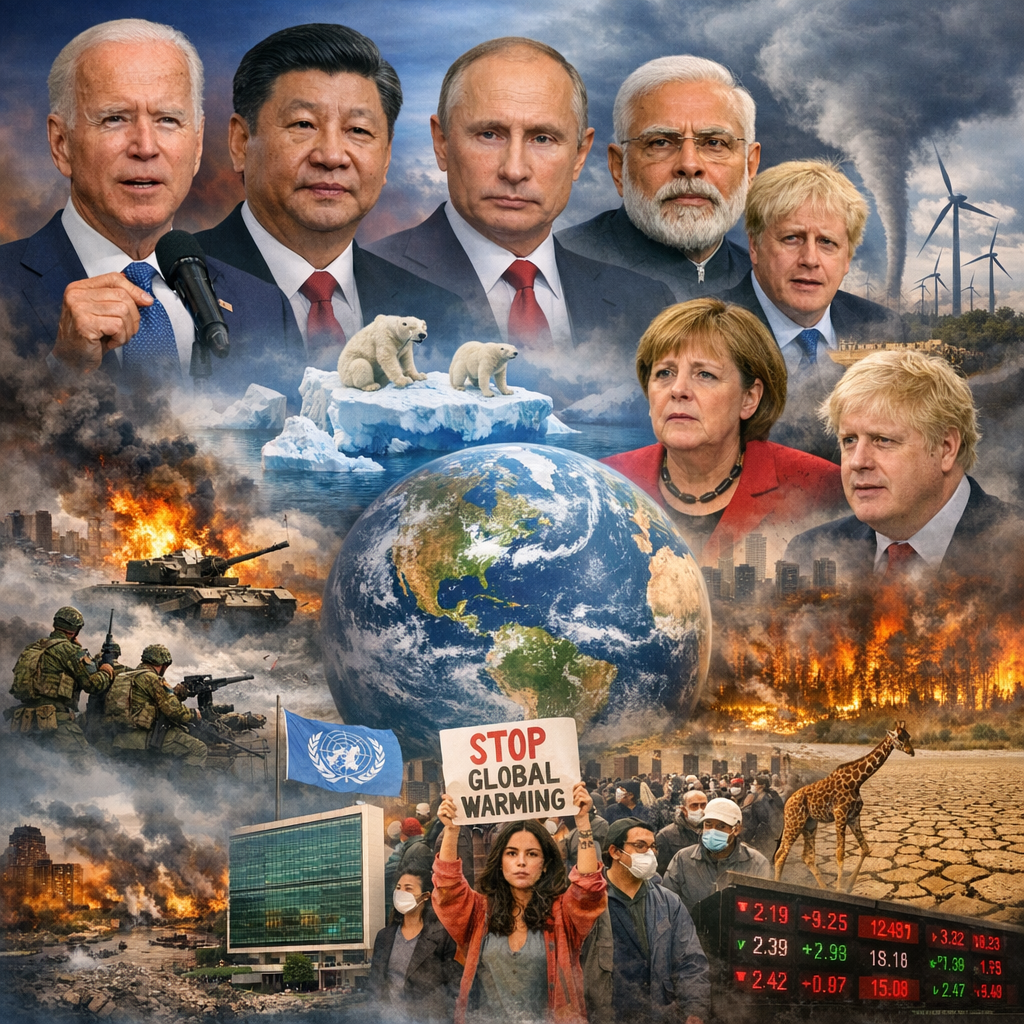
The world today feels less certain, more fractured, and ever more urgent. As many global challenges intensify simultaneously, four big trends are rising to the top of international concerns. Understanding them helps Stillwater readers see not just where the world is headed — but what it means closer to home.
1. Geoeconomic Rivalry Takes Center Stage
Global conflict is no longer defined by traditional warfare alone. Geoeconomic competition — where states and large corporations use trade, tariffs, sanctions, investment controls, and supply chain strategies as instruments of power — is now viewed by experts as one of the top risks facing the international system. In recent reports, it’s ranked above direct military threats in likelihood to trigger a major crisis. Along with increased protectionism, this trend is reshaping how countries cooperate — or compete — on trade and diplomacy.
2. Humanitarian Crisis Expands Behind the Headlines
Conflict zones — from Gaza and Ukraine to Sudan and Afghanistan — continue to generate sobering statistics: millions displaced, food and cash shortages, and basic services collapsing. Nearly one in four people around the globe now live in conflict-affected areas, and over 200 million need humanitarian assistance. These aren’t distant numbers; they reflect a growing burden on international aid systems and rising stakes for regions hit repeatedly by crisis as well as those nearby who may host refugees or feel economic spillovers.
3. Environmental Threats: Always Urgent, Sometimes Overlooked
Environmental instability remains among the most serious long-term risks facing all nations, even as attention sometimes shifts to more immediate threats like geopolitical rivalries. Climate change, biodiversity loss, land degradation, severe weather and water scarcity continue to weigh heavily not just on ecosystems, but on health, infrastructure, food production, and political stability. The urgency is both immediate and ongoing — from worsening storms to rising ocean levels.
4. Health Progress at Risk Without Stronger Foundations
After decades of advances in lowering infectious disease, expanding access to care and extending life expectancies globally, signs are emerging of backsliding in some areas. Challenges like climate-linked disease outbreaks, gaps in health financing, weak primary health systems, and inconsistent data collection are undermining momentum. The Sustainable Development Goals for health may be out of reach unless nations re-invest in prevention, early warning systems and equitable access.
Why It Matters for Stillwater
These global shifts ripple across everything from food prices to environmental policy to migration patterns. For our community:
- Local businesses and buyers may face higher costs or delays, as supply chains are strained by trade disputes or environmental disruptions.
- Climate volatility can make extreme weather more frequent — impacting agriculture, infrastructure, and public safety.
- Public health risks like vector-borne diseases can spread more easily with changing climates and international travel.
- And civic engagement abroad influences domestic policy — especially in democracy, human rights and environmental regulation.
None of this is destiny. Choices — in policy, cooperation, and community action — still steer outcomes. Keeping a sharp awareness of what’s happening globally helps us make smarter decisions at home.