

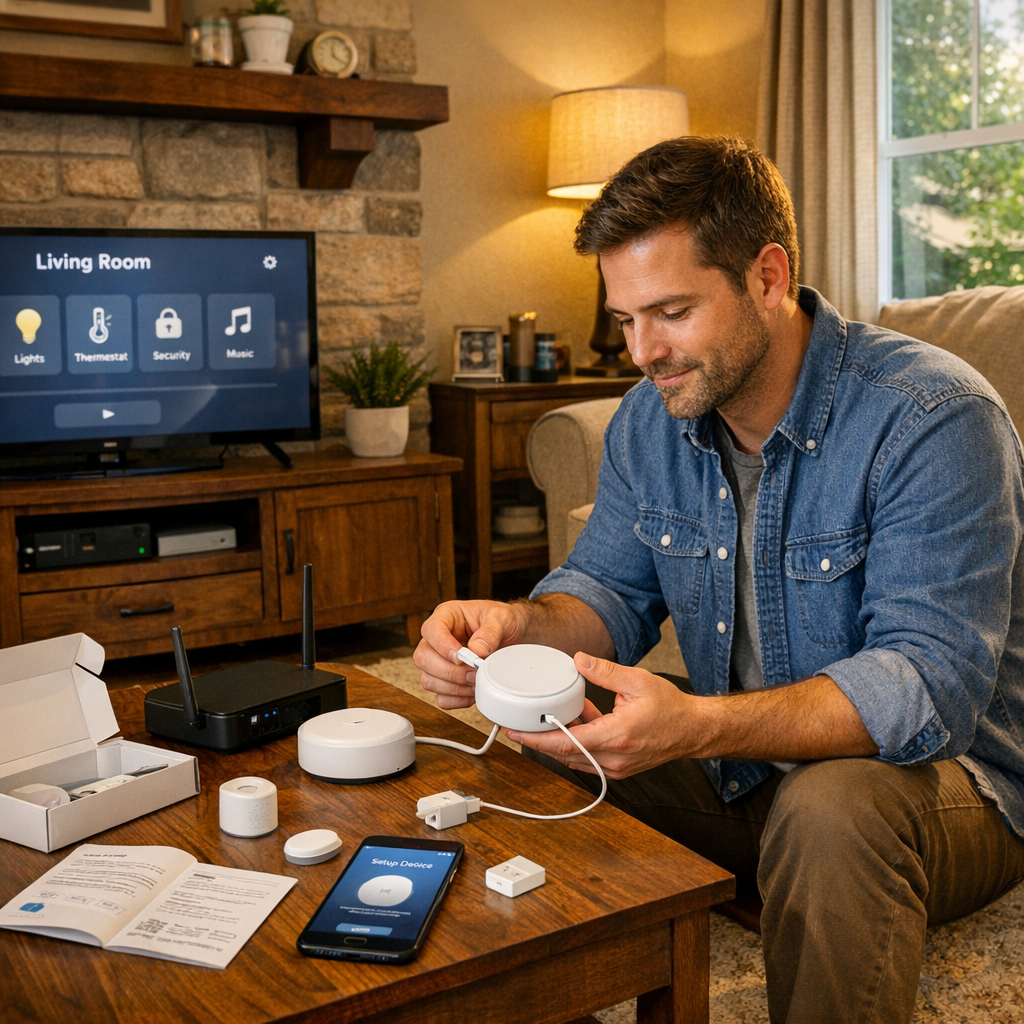
In Stillwater, our routines are evolving not just with the seasons, but with smarter tools powered by artificial intelligence. Whether it’s a gadget analyzing energy use, a wearable tracking health, or a voice assistant managing chores, tech isn’t just flashy—it’s deeply practical.
What Americans Expect from AI & Smart Devices
A recent survey found that many people use chatbots and AI for work tasks and web searches, but there’s wide concern that personal data is becoming less secure as AI spreads into more homes. Most believe regulation hasn’t caught up yet, and many want more transparency from the companies building these tools.
Gadgets That Make a Difference Every Day
Smart home tech isn’t about showing off. It’s about routines: using robot vacuums so cleaning takes less time; smart thermostats that learn schedules to save energy; even pet feeders or light bulbs that adjust with your day and household. Micro-automation—gadgets that solve one problem well—is leading the way.
Trends Shaping Our Choices
Integration & Compatibility
People are insisting on gadgets that play nicely together—devices that connect across platforms like Alexa, Google Home, or Apple HomeKit. Matter certification and mesh WiFi networks are becoming more common as families want seamless control across all rooms.
Efficiency and Utility
A new benchmark for buying tech isn’t “smart”—it’s whether the device reduces effort, energy, or cost in a visible way. Appliances are evolving with AI coordination, appliances becoming more efficient, and interfaces that let you adjust instead of manually overriding them.
Privacy and Local Processing
Because data leaks or cloud vulnerabilities aren’t just headlines—they affect real people—more users are turning to devices that store information locally or use on-device AI. These offer many of the same perks without sending every detail to the cloud.
Tips for Buying Tech That Lasts
- Start small—identify one need (lighting, security, health tracking), then add compatible devices.
- Check whether a gadget works without always being online or tied to a subscription.
- Prioritize energy-saving features, especially for heating, cooling, and major appliances.
- Read privacy policies: know who can access your data, whether it’s stored on device or offsite.
- Don’t assume “brand” equals “best”—sometimes smaller, open ecosystems offer more customization and lower costs.
In Stillwater like elsewhere, technology isn’t a tool of the future—it’s part of how we live now. And when we choose wisely, these tools can give us more time, more comfort, and more peace of mind.