

By Michael Williams
Building Bridges Between the Old and New
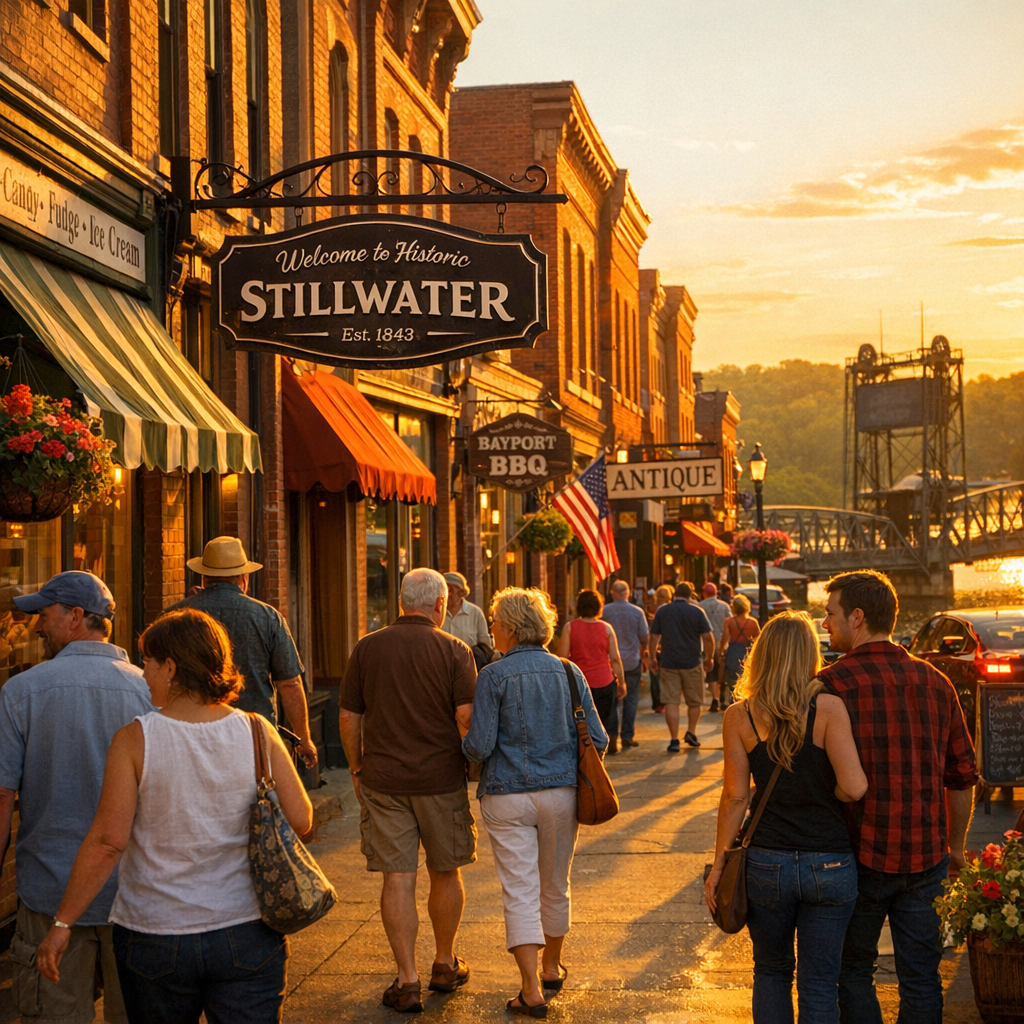
I’ve lived in Stillwater for nearly two decades. I remember when Main Street meant quiet evenings, familiar faces, and local shop windows lit by porch lights—not floodlights for tourists. Over the years, the town has changed, and while those changes bring vitality—vibrant restaurants, lively festivals—they also carry tension. Long‐time residents often ask: Is downtown growing with us, or past us?
Ideal growth for many here means balancing charm with accessibility. When MnDOT’s plans to reconstruct Highway 95 came up, folks talked about sidewalks that feel safe, parking that’s fair, and maintaining the heart of downtown in a way that works for both businesses and neighbors. The goal is not growth at any cost, but thoughtful improvements that support both small storefronts and quiet homes. Recent public input shows many residents believe downtown walks, bicycle accessibility, and thoughtful traffic design are part of keeping Stillwater both livable and welcoming. *Details reflect ongoing conversations as of summer.*
New Voices, Familiar Values
Stillwater is no longer just for those born here. Newcomers move in, drawn by the schools, the river, the trails—and the promise of a community where voices matter. A recent survey on the visitor experience made clear: whether you’re passing through downtown once a year or live here every day, people want to be heard.
What’s heartening is how many in our community take local governance seriously. A nonpartisan event in Lift Bridge Co-work, called “Your Voice, Your Valley,” invites folks to meet peers over pizza and learn how to contribute to civic meetings. Whether that means showing up at open forums, writing to school or city leaders, or participating in public hearings—many feel they are stepping into Stillwater not just as residents, but as stewards.
Tensions We Should Talk About—and Act On
No community is perfect. Residents raising concerns about parking scarcity downtown, noise during events, or shadowing by large developments aren’t speaking from nostalgia alone—they’re grappling with the real costs of popularity. One family mentioned rent rates rising, another worries for aging neighbors who walk downtown but find fewer benches and more traffic.
In addition, inclusion remains a work in progress. Some families of color, and newcomers in general, speak of being cautious—ready to engage, yet unsure of where to start. Language, cultural visibility, and feeling welcomed in everyday spaces matter. A rich heritage—of Native American lands, early settlers, riverside trade—still weaves through our identity, and there is opportunity for Stillwater to become more inclusive in honoring that history and today’s diversity.
Why I Stay, Why I Hope
Despite the challenges, I choose Stillwater every day for places like Nelson’s Ice Cream, for quiet mornings along the riverbank, for neighbors who check in, and for kids who grow up here and run through old trees knowing every inch of tree bark and every creek bed. I believe we can keep those things while also improving—from smoother walks to clearer civic processes, from preserving affordable housing to ensuring every voice is heard.
If there’s one thing Stillwater teaches us, it’s this: community isn’t a fixed place or moment. It’s what we choose to do for each other—now, tomorrow, and for those who follow.