

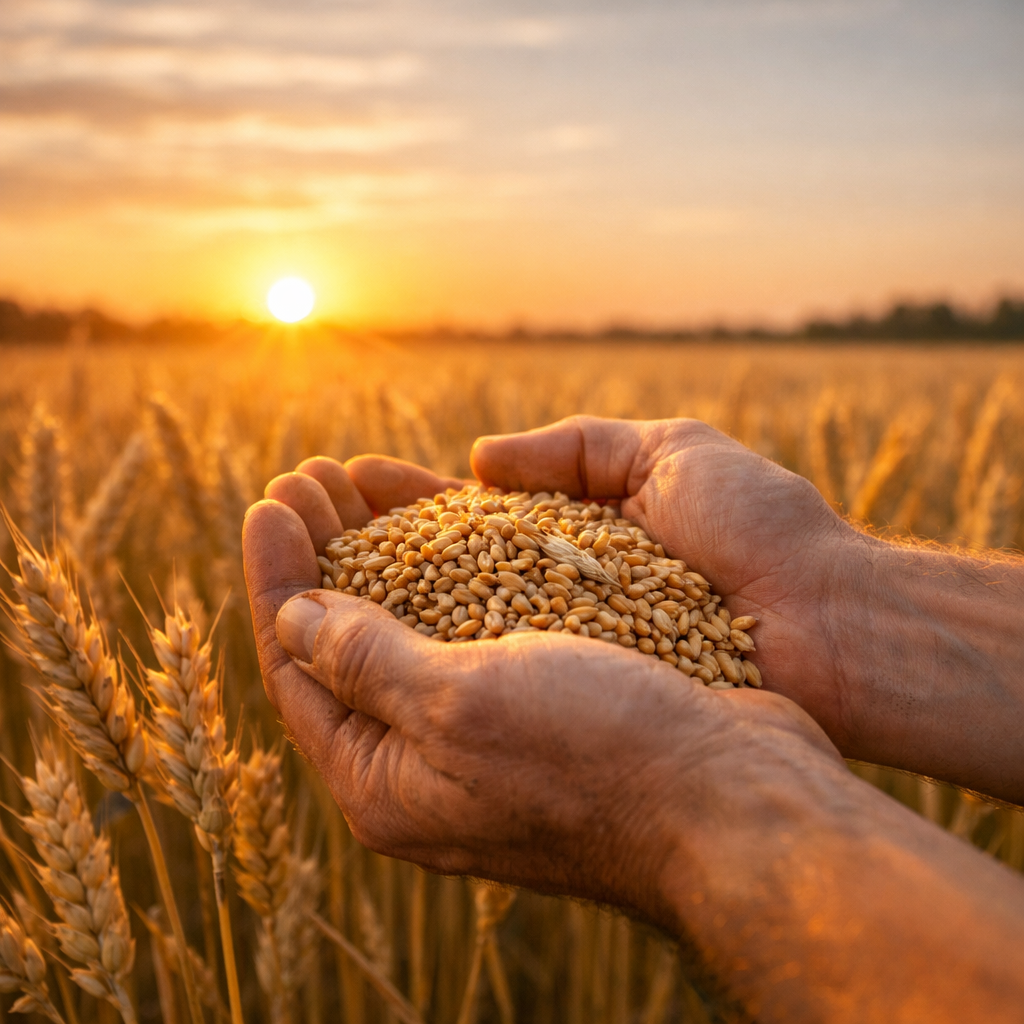
Global Hunger: Early Progress, Persistent Risk
According to the 2026 SOFI report, global hunger eased for a third straight year. Around 7.8% of the world’s population—roughly 600 million people—were undernourished in 2025, down from 8.1% in 2024. While this is a modest improvement, long‐term goals like ending hunger by 2030 remain in jeopardy.
But gains are fragile. Disparities between regions remain stark, especially in Africa and parts of the Middle East. Conflict, climate shocks, and shrinking humanitarian funding risk pushing 13 global hotspots—places like Yemen, Sudan, Somalia, and Gaza—into deeper food insecurity.
Climate Commitments: Growing Pressure to Deliver
The Paris Agreement’s implementation arm has laid out key deadlines. Nations must submit their second Biennial Transparency Reports (BTRs) by December 31, 2026. Many countries have upgraded their climate action plans—known as Nationally Determined Contributions (NDCs)—but implementation remains uneven.
Transparency is also moving into sharper focus. A new climate data platform now aggregates data from nearly 200 countries to track emissions, finance, and mitigation efforts. Still, experts say current NDC ambitions fall short of what’s needed to limit planetary warming.
Conflict’s Undercurrent: Exacerbating Crises
Wars and political instability continue to ripple into global food systems. Conflict is the leading cause of displacements and hunger in many hotspots, and disruptions in supply chains—from fertilizer exports to shipping through zones of tension—are fueling higher food prices and deepening vulnerability.
Meanwhile, global peace and security metrics have slipped to historic lows. More regions are affected by armed conflicts, increasing civilian harm and heightening risks to health, agriculture, and infrastructure. Diplomacy is working in some places, but many observers believe the world is still short of transformative peace initiatives.
What’s Ahead: Turning Transitions Into Transformation
The months leading toward 2027 will be critical. Nations are urged to move past broad promises and toward tangible results—funding vulnerable populations, scaling up renewable energy, and fortifying food systems against extreme weather and supply shocks. Global frameworks like COPs and the Paris Agreement will increasingly reward delivery over aspiration.
For Stillwater and communities like ours, these global trends matter. Trade ties, energy prices, and climate policies ripple locally—impacting costs at the grocery store, insurance premiums, and climate resilience.
Key Takeaways
- Progress on hunger is real but too slow and uneven.
- Climate diplomacy is advancing—yet many commitments fall short of what’s needed.
- Conflicts worsen food insecurity and hamper climate efforts.
- The world’s ability to meet major global goals depends on turning ambitious words into action.