

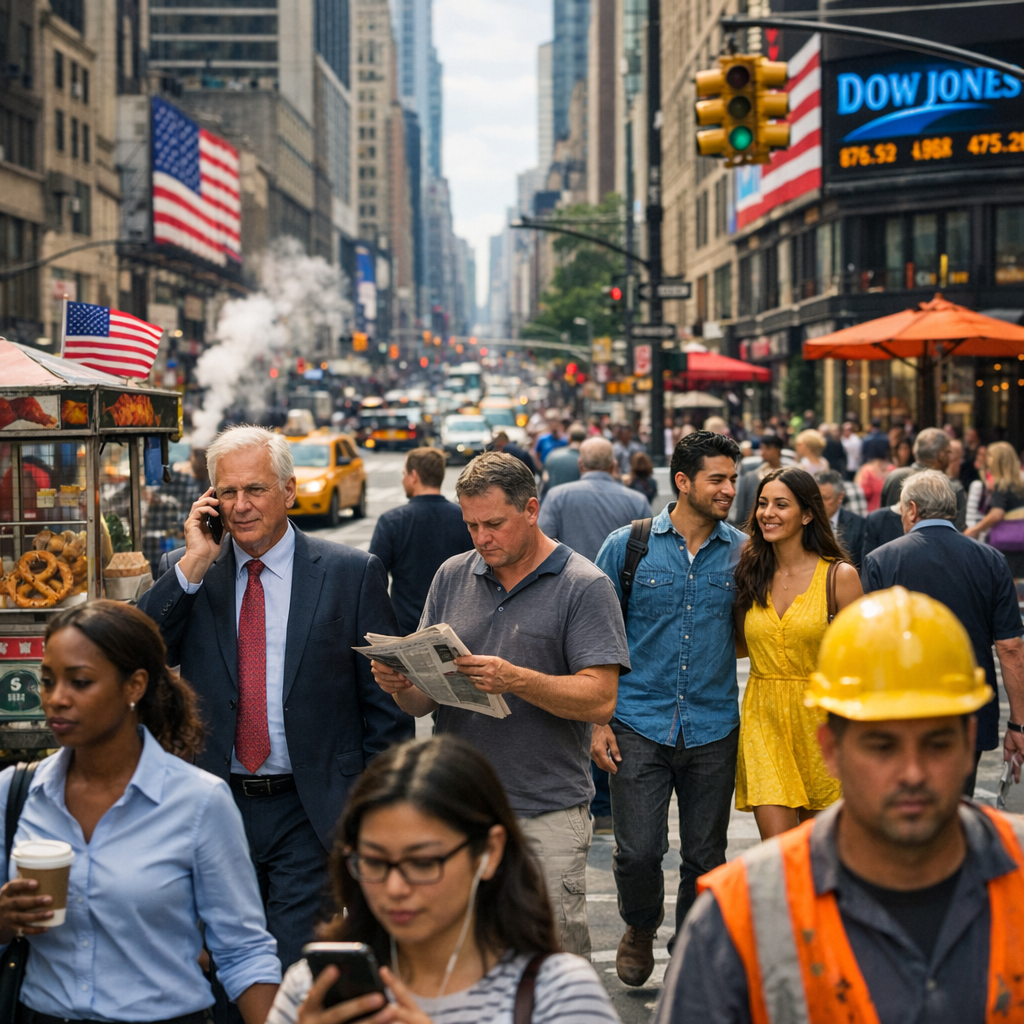
The U.S. economy has experienced significant fluctuations in recent years, marked by periods of growth and challenges. Understanding these dynamics is crucial for grasping the nation’s current economic landscape.
Economic Growth and Employment
Following the recovery from the COVID-19 pandemic, the U.S. economy demonstrated resilience. In 2021, it grew by 5.7%, the most substantial increase since the 1980s. This growth was accompanied by a decline in the unemployment rate, which stood at 4% in January 2025, indicating a robust labor market.
Inflation Trends
Inflation has been a significant concern. In June 2022, the Consumer Price Index (CPI) recorded a 9.1% increase compared to the previous year, marking a 41-year high. By April 2023, inflation had moderated to 4.9%, still above the Federal Reserve’s 2% target. By September 2025, inflation further decreased to 2.9%, alleviating some economic pressures.
Public Perception and Economic Policies
Public sentiment has reflected these economic shifts. In May 2024, a Pew Research Center survey found that only 23% of U.S. adults rated the economy as excellent or good, a decrease from 28% in January of that year. Inflation remained a top concern, with 62% identifying it as a very big problem.
In response to economic challenges, the administration implemented policies such as raising tariffs to the highest levels since the Smoot-Hawley Tariff Act of 1930, signaling a shift towards protectionism.
Looking Ahead
While recent data indicates a moderation in inflation and steady employment rates, the economy continues to face challenges. Ongoing policy decisions and global economic conditions will play pivotal roles in shaping the nation’s economic future.