

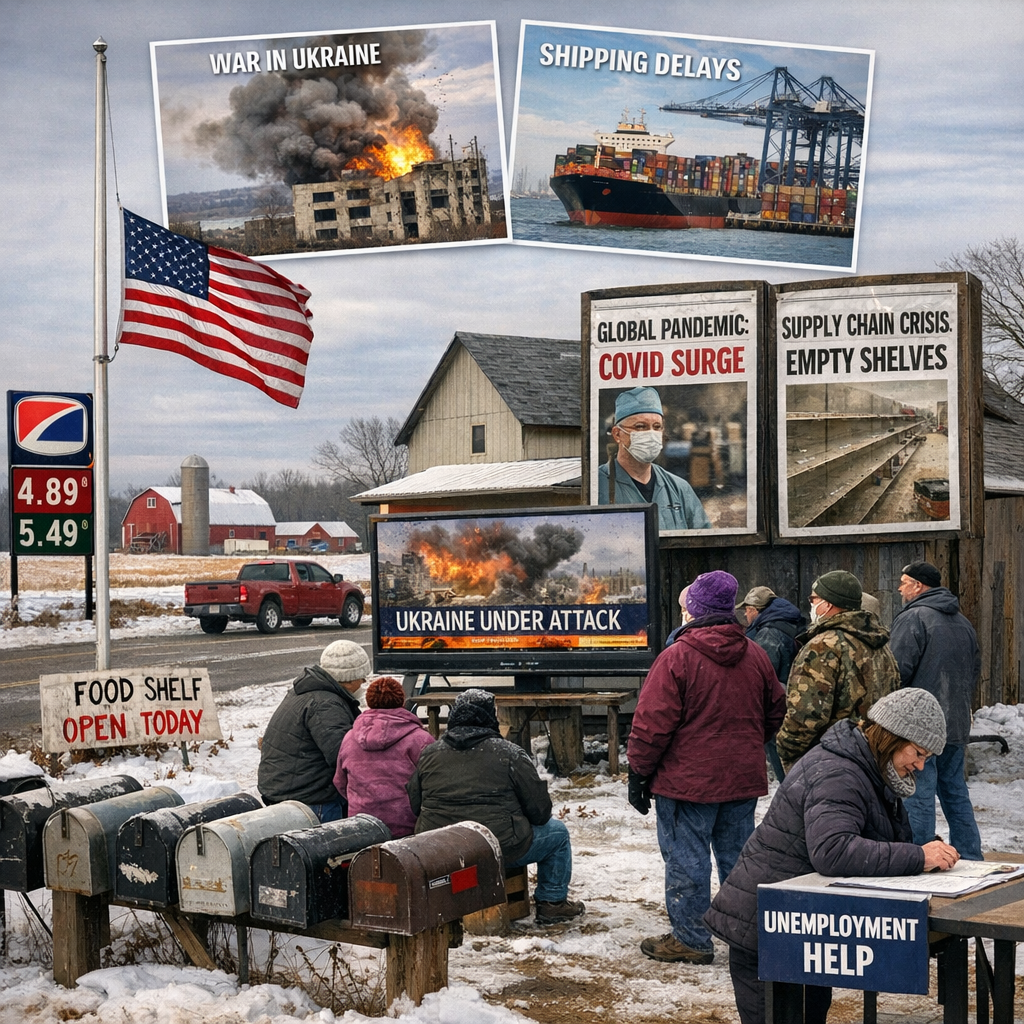
In our interconnected world, global events often have direct and indirect effects on local communities, including those in Minnesota. Recent international developments have significantly influenced the state’s economy, demographics, and local businesses.
Economic Impacts
Global trade dynamics have notably affected Minnesota’s export economy. In the first quarter of 2026, the state experienced an 8% decline in goods exports compared to the same period in 2025. This downturn was largely driven by a $628 million decrease in exports of fossil fuel products to Canada. The Minnesota Department of Employment and Economic Development attributed this decline in part to uncertainty stemming from erratic tariff policies enacted by the federal government.
Demographic Shifts
Between 2020 and 2025, Minnesota saw a significant demographic shift, losing over 71,000 residents aged 45-64—a 5% decline in this critical age group. This trend mirrors a national pattern where aging baby boomers are retiring more rapidly than the smaller Generation X can replace them. The state’s population in this age group dropped from approximately 1.43 million to 1.35 million, with particularly steep declines in rural areas like Traverse County, which recorded an 18% decrease. Both urban (Twin Cities at -4.3%) and non-urban (-5.3%) areas are affected. As this group ages into retirement, Minnesota faces challenges in maintaining a robust workforce and supporting an aging population.
Local Business Challenges
Federal immigration enforcement activities have also impacted Minnesota’s local businesses. From early December 2025 to mid-February 2026, the state experienced a significant surge of federal agents during “Operation Metro Surge.” This operation led to reduced foot traffic, staffing challenges, and increased fear and uncertainty among immigrant-owned businesses. Governor Tim Walz highlighted that this environment has caused small business owners to face significant challenges, urging Minnesotans to support local and immigrant-owned businesses during these times.
Understanding the interplay between global events and local realities is crucial for communities like Stillwater. By staying informed and engaged, residents can better navigate the challenges and opportunities presented by our interconnected world.