

As we navigate the complexities of the current U.S. economic landscape, several key developments have emerged that are shaping our nation’s financial health.
New Tariffs Implemented
President Donald Trump’s administration has recently imposed new tariffs ranging from 10% to 12.5% on imports from 60 countries. These measures target nations that have not adequately enforced bans on goods produced by forced labor. The expiration of previous temporary global tariffs prompted this action, aiming to address ongoing trade imbalances and labor concerns.
Rising Gasoline Prices
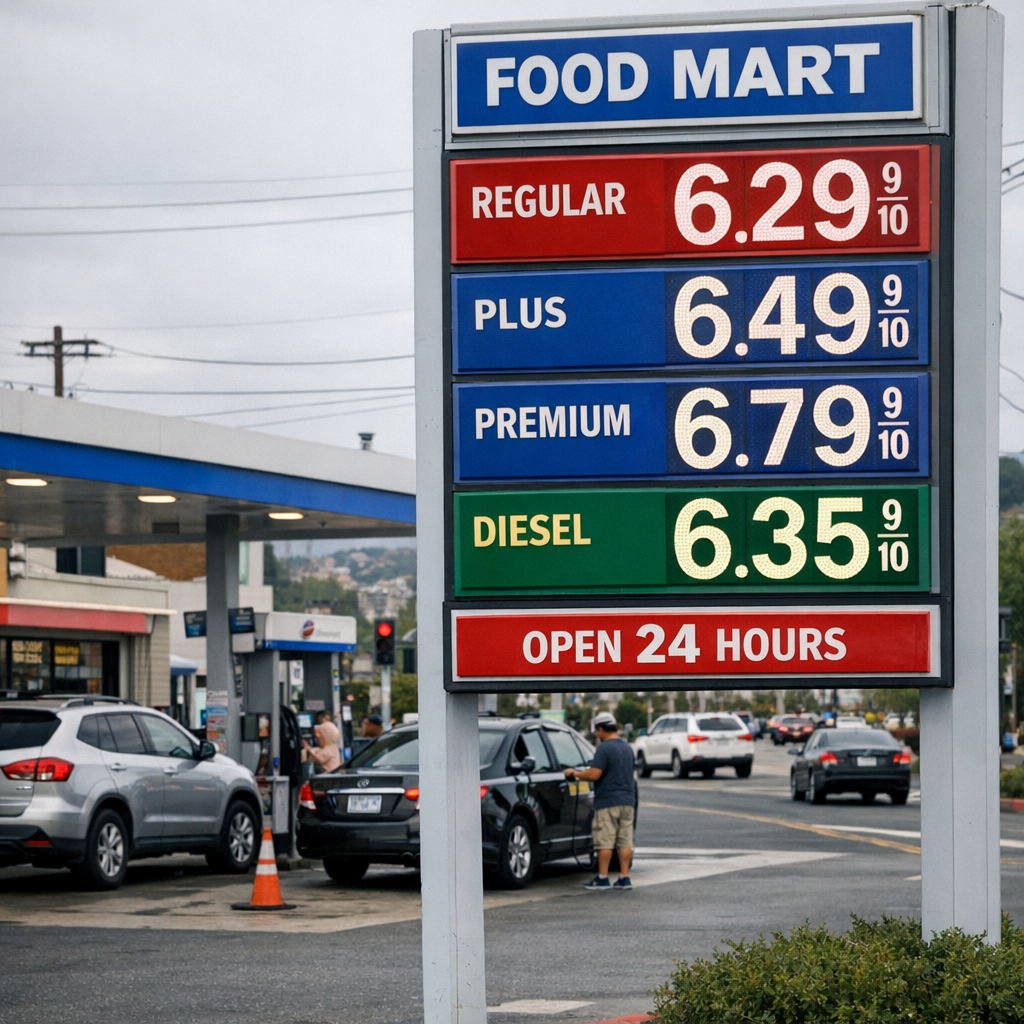
Gasoline prices have surged, with the national average climbing above $4.11 per gallon. This increase is attributed to escalating crude oil prices and heightened tensions between the U.S. and Iran, which have significantly impacted global energy markets. The situation underscores the interconnectedness of international relations and domestic economic conditions.
Job Market Resilience
Despite these challenges, the U.S. job market has shown remarkable resilience. Jobless claims have dropped to their lowest point since 1969, with only 187,000 new unemployment applications filed last week. This trend reflects a strong labor market, providing a silver lining amid economic uncertainties.
Mortgage Rates on the Rise
On the housing front, the average 30-year mortgage rate has increased to 6.58%, marking its highest level in almost a year. This rise poses additional challenges for prospective homebuyers and those looking to refinance, as higher rates translate to increased borrowing costs.
Wall Street Performance
Wall Street has experienced a down week, with stocks declining amid global turmoil and cautious earnings forecasts. Despite positive quarterly results from major firms like Tesla and Google, market volatility remains a concern for investors.
These developments highlight the multifaceted nature of our economy, where policy decisions, international events, and market dynamics intertwine to influence our daily lives. Staying informed and adaptable is crucial as we navigate these evolving economic conditions.