

In recent years, the City of Stillwater has taken significant steps to address concerns regarding per- and polyfluoroalkyl substances (PFAS) detected in its water supply. PFAS are synthetic chemicals found in various consumer products and industrial applications, known for their persistence in the environment and potential health risks.
Understanding PFAS in Stillwater’s Water
Testing revealed that two of Stillwater’s wells, Well #6 and Well #10, contained PFAS levels exceeding the Environmental Protection Agency’s (EPA) drinking water standards. A third well, Well #9, showed PFAS levels just below these standards. In response, the city promptly took these wells offline to prevent contaminated water from entering the community’s supply.
Proactive Measures and Temporary Treatment Facility
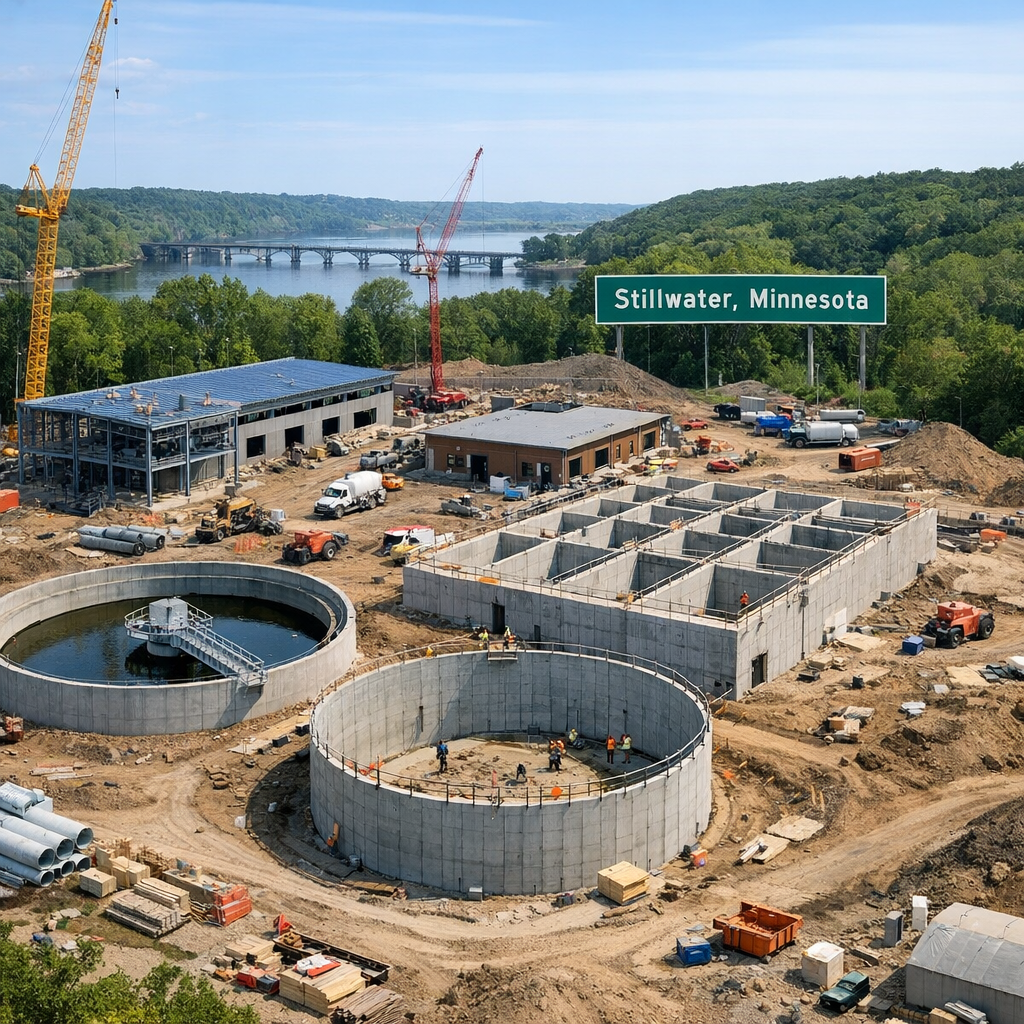
To address the immediate need for safe drinking water, Stillwater is constructing a temporary treatment facility at Well #10. This facility aims to remove PFAS contaminants, allowing the well to be safely reactivated. Engineering designs were completed by March, with construction slated to begin in late summer or early fall. The system is expected to be operational by spring 2026, coinciding with increased seasonal water usage.
State-Level Investigations and Support
The Minnesota Pollution Control Agency (MPCA) is actively investigating potential PFAS sources in Stillwater. This includes sampling private wells to assess contamination levels and identify the contamination’s origin. The MPCA’s efforts are crucial in developing a comprehensive strategy to mitigate PFAS risks in the area.
Ensuring Long-Term Water Safety
While the temporary treatment facility addresses immediate concerns, Stillwater is also planning for long-term solutions. The city is collaborating with environmental experts and state agencies to develop a permanent water treatment strategy that ensures the safety and quality of drinking water for all residents.
Residents are encouraged to stay informed about water quality updates through official city communications and to participate in community discussions regarding water safety initiatives.