

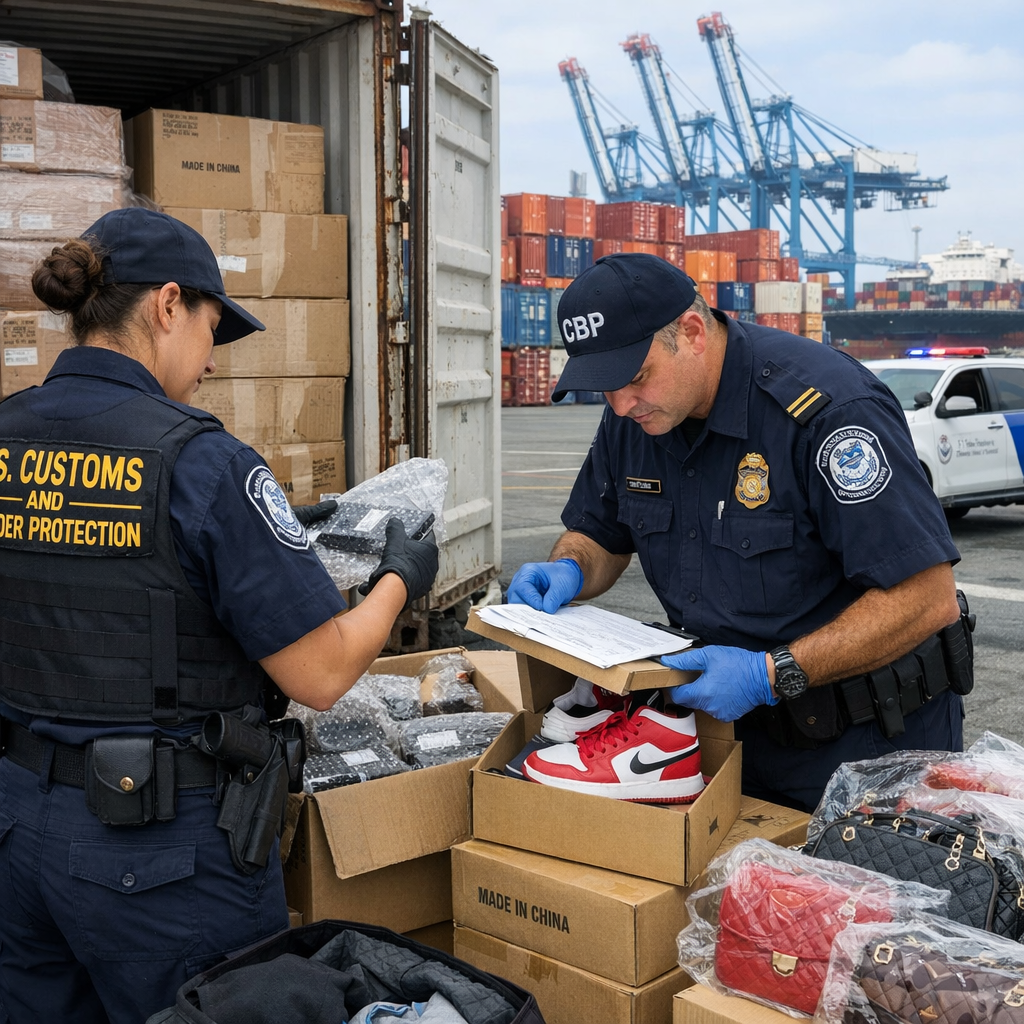
In an effort to combat human rights abuses, the United States has recently implemented tariffs on imports believed to be produced using forced labor. This move aims to discourage unethical labor practices abroad and protect domestic industries from unfair competition.
Background on the Tariffs
The U.S. government has identified certain goods, particularly from regions with documented forced labor issues, and imposed tariffs to deter their entry into the American market. These measures are part of a broader strategy to uphold labor rights and ethical trade practices.
Reactions from Trading Partners
Several international trading partners have expressed concerns over these tariffs, arguing that they may disrupt global supply chains and lead to trade disputes. Some countries have called for dialogue to address the underlying issues without resorting to punitive measures.
Implications for Consumers and Businesses
For American consumers, these tariffs could lead to higher prices on certain imported goods. Domestic businesses that rely on these imports may need to seek alternative suppliers or adjust their operations to comply with the new regulations.
Local Perspective
In Stillwater, Minnesota, local businesses that import goods affected by these tariffs may face challenges in sourcing products. Consumers might notice price changes or limited availability of certain items. It’s essential for both businesses and consumers to stay informed about these developments and adapt accordingly.
Conclusion
While the intention behind these tariffs is to promote ethical labor practices globally, they also bring about economic and diplomatic challenges. Ongoing discussions between the U.S. and its trading partners will be crucial in balancing human rights objectives with economic interests.