

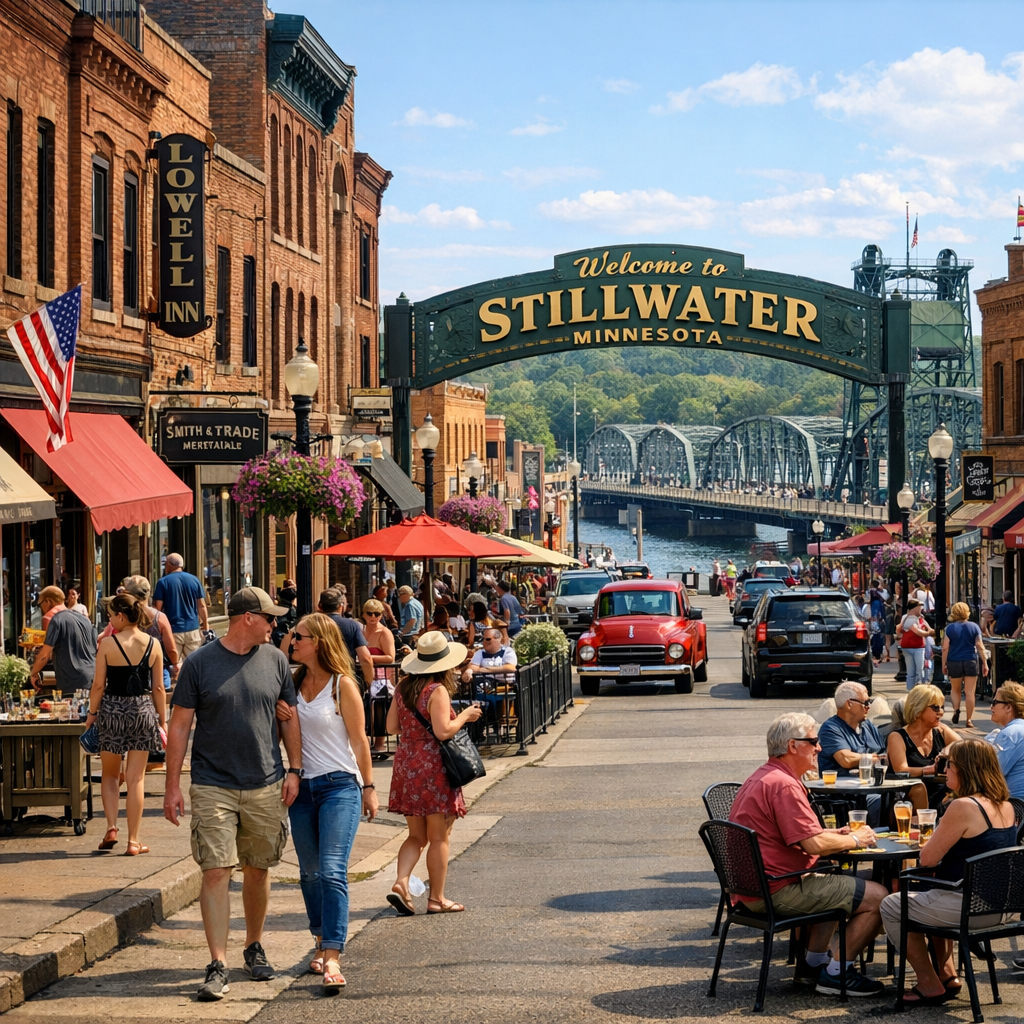
Stillwater, Minnesota, renowned for its historic charm and scenic beauty along the St. Croix River, is experiencing notable economic growth. This article delves into the key industries, housing market trends, and community initiatives contributing to the city’s prosperity.
Key Industries Driving Growth
Stillwater’s economy is bolstered by a diverse mix of industries:
- Tourism and Hospitality: The city’s historic downtown, with its 19th-century architecture and vibrant riverfront, attracts visitors year-round. This sector accounts for approximately 30% of local business activity, rising to an estimated 50% in the downtown area. The array of boutique shops, diverse dining options, and events along the St. Croix River keep this industry thriving.
- Healthcare: The healthcare sector offers a range of medical and administrative roles, providing stable and well-paying career paths for residents.
- Manufacturing and Technology: Evolving from its lumber town roots, Stillwater’s modern manufacturing sector includes facilities focused on biomedical advancements and innovative consumer products.
Housing Market Trends
The housing market in Stillwater reflects the city’s economic vitality. As of June 2026, the median listing price for homes is $632,450, marking a 9.08% increase year-over-year. The median sold price stands at $476,500, with homes selling in a median of 37 days. The rental market is also robust, with a median rent of $2,575 per month, indicating strong demand in both buying and renting sectors.
Community Initiatives and Development
Community collaboration plays a pivotal role in Stillwater’s economic development. The City of Stillwater, in partnership with the Greater Stillwater Chamber of Commerce and local businesses, actively supports initiatives to enhance the downtown area and overall community well-being. Events such as art fairs, classic car shows, and the Harvest Festival contribute to a vibrant community atmosphere, attracting both residents and visitors.
In February 2026, Jason Zimmerman was appointed as the new Community Development Director. Zimmerman is leading efforts on the Comprehensive Plan, aiming to shape Stillwater’s community and development strategies for the next two decades. His focus includes building upon existing projects and fostering meaningful growth within the city.
Additionally, the city offers various financial resources to support local businesses, including Tax Increment Financing (TIF), Tax Abatement, and programs like the Washington County Open to Business Program. These initiatives provide financial assistance to viable projects with unique economic development needs.
In summary, Stillwater’s economic landscape is characterized by a thriving mix of industries, a dynamic housing market, and proactive community initiatives. The city’s commitment to fostering a supportive environment for businesses and residents alike positions it as a model for sustainable growth and community engagement.