

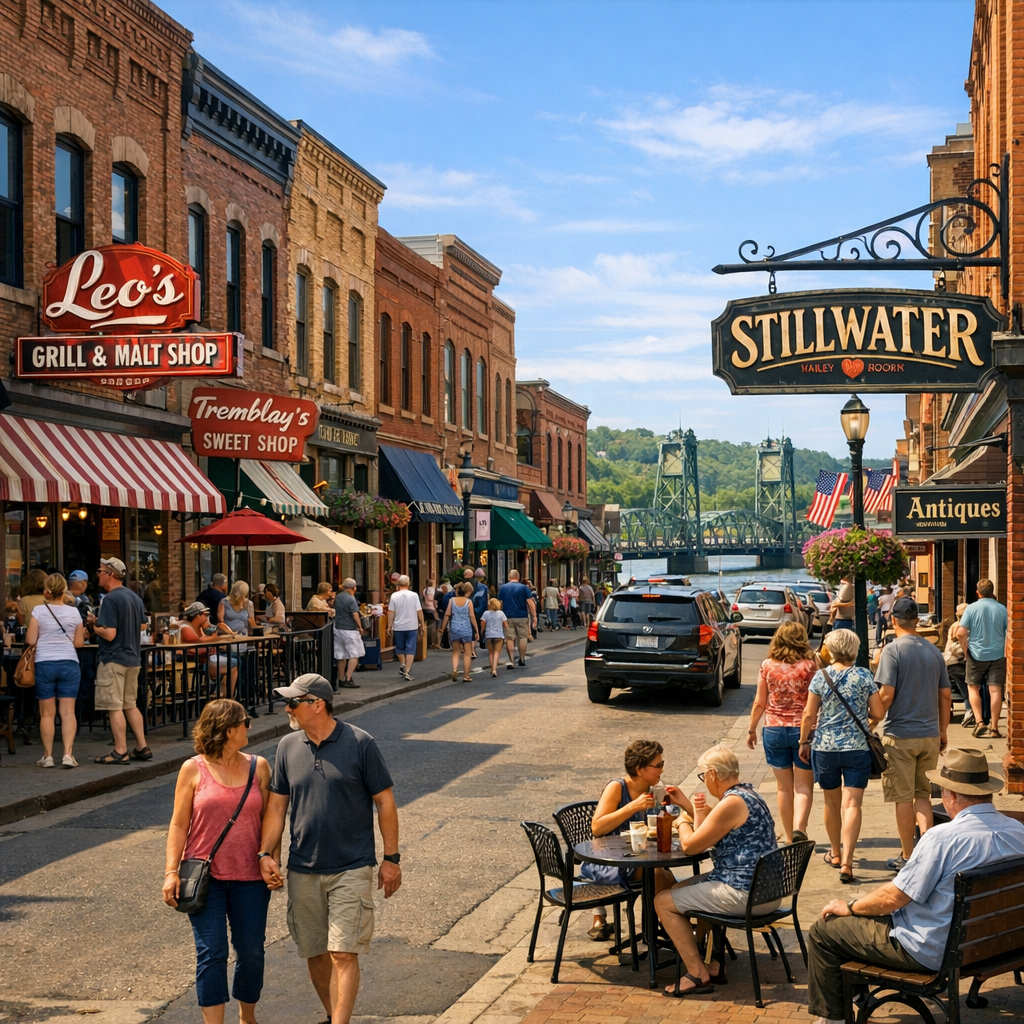
Stillwater, Minnesota, renowned for its picturesque riverfront and historic charm, boasts a dynamic economic landscape that harmoniously blends tradition with modern growth. This article delves into the city’s key industries, housing market, and community initiatives that collectively contribute to its economic vitality.
Key Industries Driving Stillwater’s Economy
Stillwater’s economy is underpinned by a diverse mix of industries:
- Tourism and Hospitality: The city’s historic downtown, with its 19th-century architecture and scenic St. Croix River views, attracts visitors year-round. This sector accounts for a significant portion of local business activity, with boutique shops, diverse dining options, and events contributing to its vibrancy.
- Healthcare: The healthcare sector offers a range of medical and administrative roles, providing stable employment opportunities for residents.
- Manufacturing and Technology: Modern manufacturing facilities in Stillwater focus on biomedical advancements and innovative consumer products, reflecting the city’s evolution from its historic lumber town roots.
Housing Market Trends
Stillwater’s housing market reflects its desirability as a place to live:
- Median Listing Price: As of June 2026, the median listing price for homes in Stillwater was $632,450, marking a 9.08% increase year-over-year.
- Median Sold Price: The median sold price stood at $476,500, indicating a slight decrease of 12.57% from the previous year.
- Rental Market: The median rent was $2,575 per month, reflecting a 21.35% increase year-over-year, signaling strong demand in the rental sector.
These figures suggest a balanced market with opportunities for both buyers and renters.
Community Initiatives and Development
Community-driven initiatives play a pivotal role in Stillwater’s economic development:
- Support for Local Businesses: The City of Stillwater collaborates with the Chamber of Commerce and local businesses to enhance the downtown experience, fostering a thriving environment for both residents and visitors.
- Financial Resources: The city partners with organizations to provide financial assistance to viable projects with unique economic development needs, including programs like Tax Increment Financing (TIF) and the Minnesota Investment Fund.
- Comprehensive Planning: The appointment of a new Community Development Director underscores the city’s commitment to shaping its future through strategic planning and meaningful growth.
These efforts reflect a collective dedication to sustaining and enhancing Stillwater’s economic vitality.
Conclusion
Stillwater’s economic landscape is a testament to the city’s ability to honor its rich history while embracing growth and innovation. Through a diverse mix of industries, a dynamic housing market, and proactive community initiatives, Stillwater continues to thrive as a vibrant and resilient community.