

In response to concerns over per- and polyfluoroalkyl substances (PFAS) contamination, the City of Stillwater has undertaken significant measures to ensure the safety of its drinking water. PFAS, often referred to as ‘forever chemicals’ due to their persistence in the environment, have been detected in some of the city’s wells.
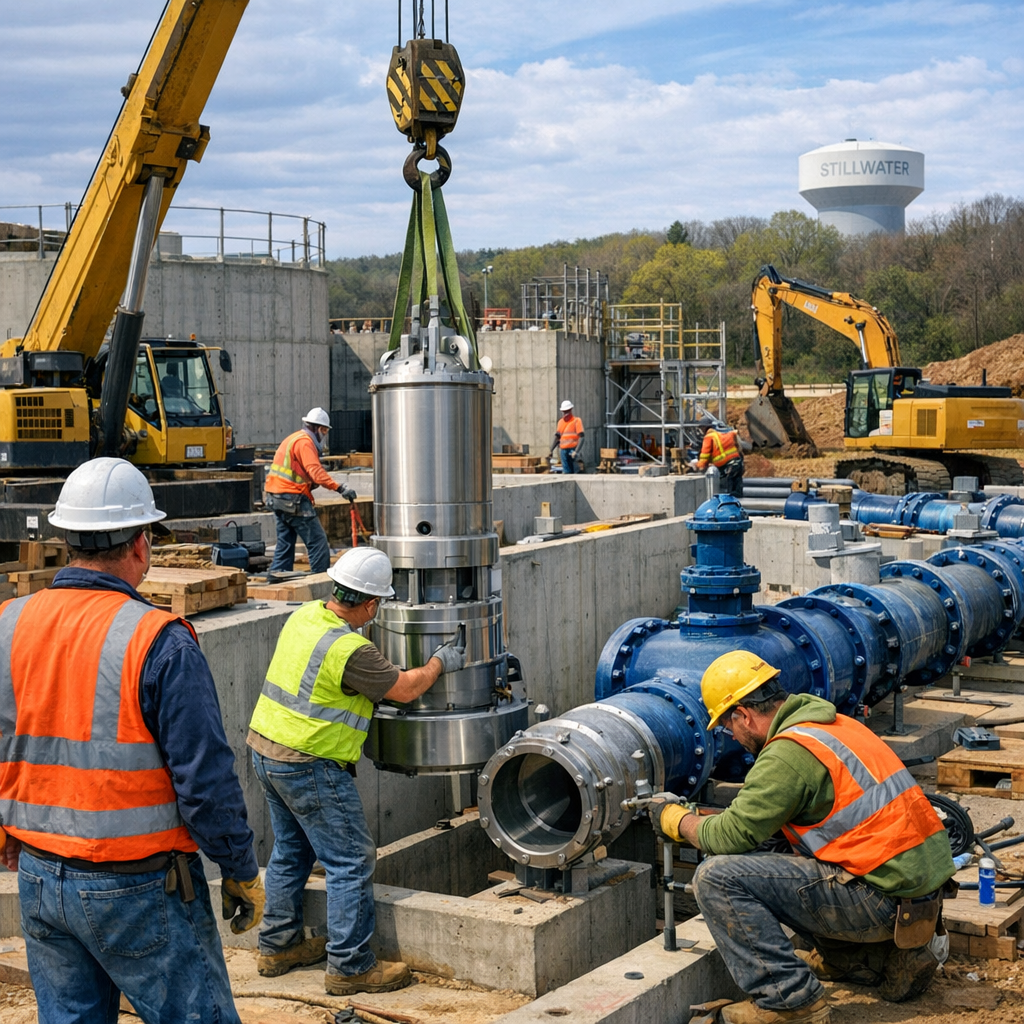
To combat this issue, Stillwater initiated the construction of a PFAS treatment facility at Well #10. The project, which began in mid-September, has progressed through several phases, including the installation of new sanitary sewer manholes, raw and finished water piping connections, and concrete footings for the treatment building. Despite winter conditions, construction continued, with the facility expected to be operational by May 1, 2026. This temporary treatment facility aims to safely reintegrate Well #10 into the city’s water supply system.
Additionally, the Minnesota Pollution Control Agency (MPCA) has been actively investigating potential PFAS sources in Stillwater. This includes sampling private wells to assess contamination levels. The MPCA’s efforts are crucial in identifying contamination sources and ensuring that private well owners are informed and provided with necessary treatment options if unsafe PFAS levels are detected.
These initiatives reflect Stillwater’s commitment to providing safe, high-quality drinking water to its residents, businesses, and visitors. The city’s proactive approach underscores the importance of addressing environmental challenges to maintain public health and trust.