

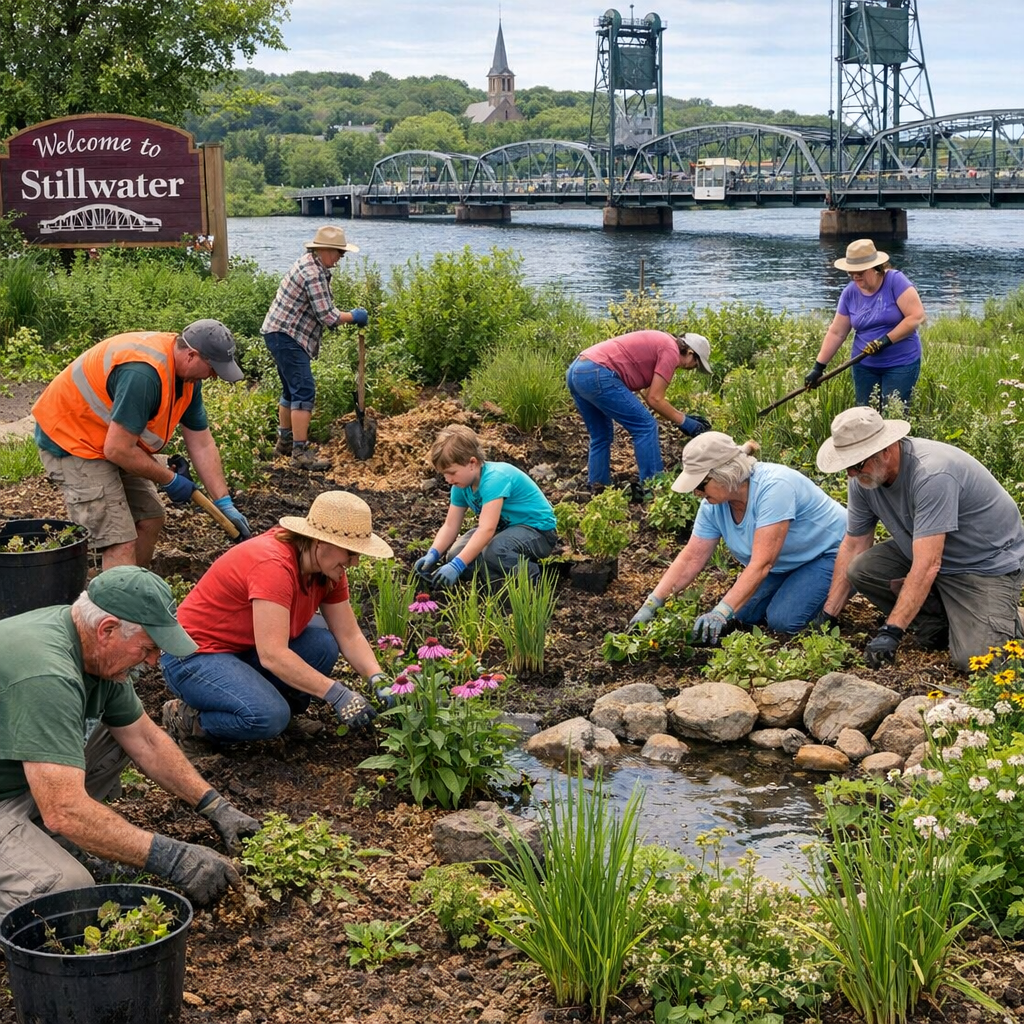
As climate change continues to impact communities worldwide, Stillwater, Minnesota, is proactively implementing initiatives to preserve its natural resources and enhance environmental resilience.
Addressing PFAS Contamination
Per- and polyfluoroalkyl substances (PFAS), often referred to as “forever chemicals,” have been detected in Stillwater’s water supply. In response, the city has initiated comprehensive measures to mitigate this contamination. A new PFAS treatment facility at Well #10 is under construction, with completion expected by May 2026. This facility aims to ensure the safety and quality of the city’s drinking water. Additionally, the Minnesota Pollution Control Agency (MPCA) is conducting investigations, including sampling private wells, to identify potential PFAS sources and assess risks to residents.
Enhancing Bird Habitats
Recognizing the importance of avian species to local ecosystems, Stillwater has embraced the Bird City Program. This initiative focuses on protecting birds and their habitats through education, habitat stewardship, and community collaboration. By aligning with best practices from the Minnesota Audubon Society, the program engages residents in bird conservation efforts, contributing to biodiversity and environmental health.
Promoting Land Stewardship
The Land Stewardship Program in Stillwater emphasizes protecting land and water resources through community-led efforts. Key projects include the Litter Reduction Project, with events like the Trash Dash, and the Rain Garden Maintenance Project, which involves adopting and maintaining rain gardens to manage stormwater effectively. These initiatives empower residents to actively participate in environmental conservation, fostering a culture of stewardship.
Climate Change Impacts
Climate change poses significant challenges to Minnesota’s environment. The state has experienced increased temperatures, more extreme storms, and changes in ecosystems. These shifts affect native species, water quality, and overall environmental health. In response, Stillwater’s participation in the Minnesota GreenStep Cities program demonstrates a commitment to sustainability and resilience. The program provides guidelines to help cities achieve sustainability goals, including green building practices, energy efficiency, and natural resource conservation.
Through these concerted efforts, Stillwater is actively working to protect its natural resources and build a resilient community in the face of climate change.