

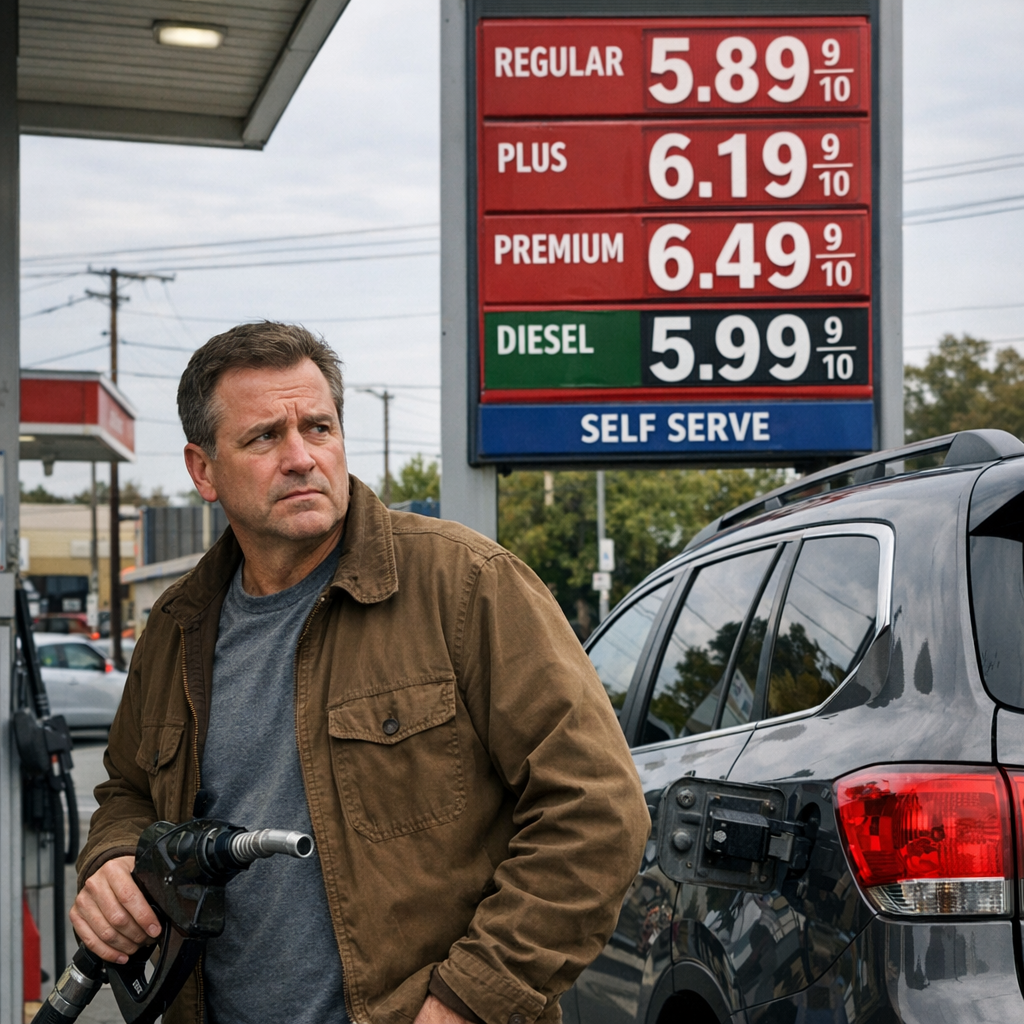
As gas prices continue to climb, many Americans are experiencing significant financial strain. Recent data indicates that two-thirds of U.S. adults report that rising fuel costs are causing hardship, leading to adjustments in daily routines and travel plans.
In response to these escalating prices, nearly 60% of individuals have reduced their driving, and close to half have altered their summer travel plans. This shift underscores the broader economic challenges currently facing the nation.
Economic confidence has also taken a hit, with sentiment reaching its lowest point since 2022. This decline is driven by growing pessimism about current conditions and the economy’s direction.
Despite these challenges, consumer spending has shown resilience. In May, consumer spending rose by 6.3% compared to the previous year, supported by a 3.6% increase in wage growth. Economists project a real economic growth rate of approximately 2.1% for 2026, matching the growth rate of 2025.
However, the benefits of this growth are not evenly distributed. While the economy has become more productive, generating more value per hour of work, the gains may not be reaching workers in the form of higher pay. Labor’s share of income last year fell to the lowest level on record, raising concerns about income inequality and the distribution of economic benefits.
In summary, while certain economic indicators suggest resilience, the combination of rising gas prices, declining economic confidence, and uneven wage growth presents a complex landscape for American households. As we navigate these challenges, it’s crucial to stay informed and consider how these broader economic trends impact our local communities.