

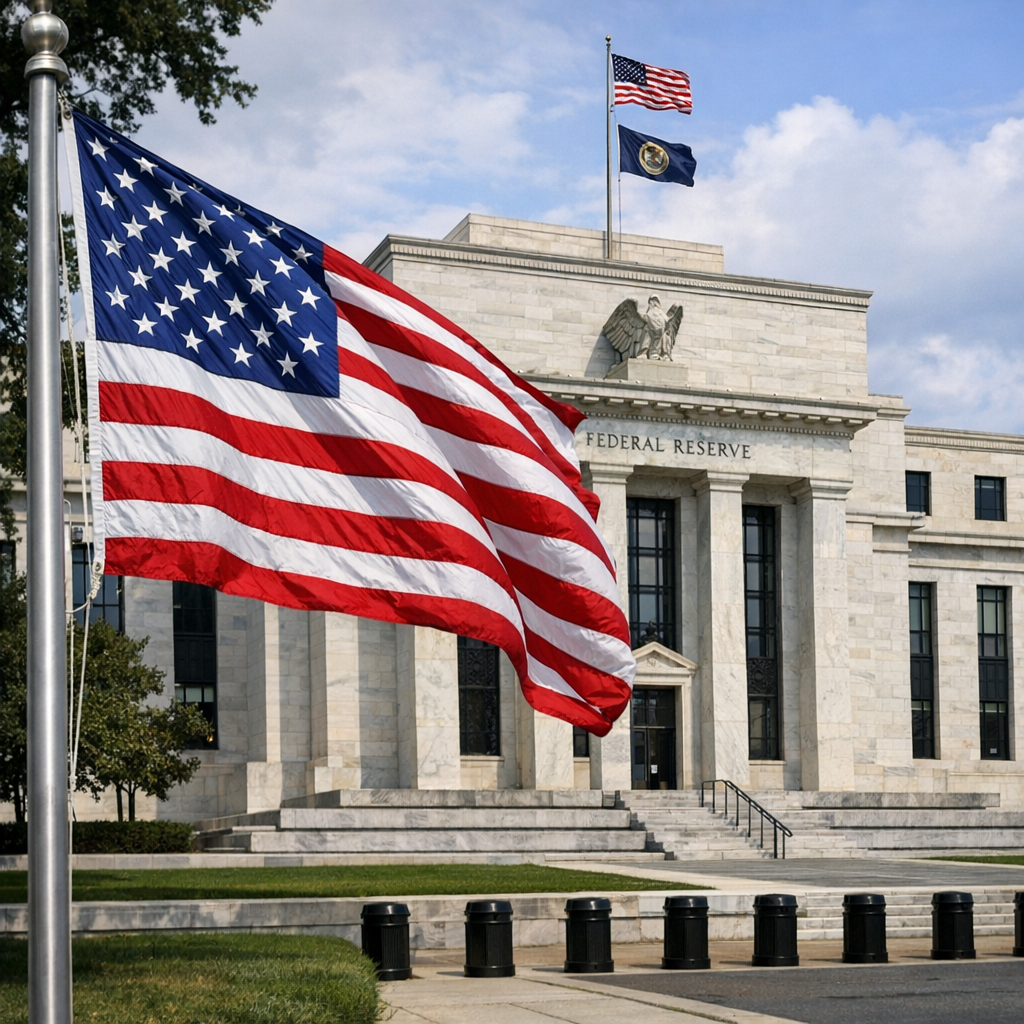
The U.S. economy is experiencing a period of mixed signals, with recent data highlighting both challenges and areas of resilience.
Job Market Trends
In June, the economy added 57,000 new jobs, a significant slowdown compared to previous months. The unemployment rate dipped to 4.2%, primarily due to individuals exiting the workforce. This cautious approach by employers reflects ongoing economic uncertainties.
Inflation and Consumer Sentiment
Inflation reached a three-year high of 4.2% in May, driven by factors such as increased gas prices. However, easing tensions and declining gas prices suggest that inflation may have peaked. Despite this, consumer confidence remains subdued, with many Americans expressing concerns about the economy’s direction.
Federal Reserve’s Stance
Federal Reserve Chair Kevin Warsh emphasized the Fed’s commitment to controlling inflation and maintaining political independence. While President Trump has advocated for interest rate cuts, the Fed has signaled a focus on its 2% inflation target, suggesting a cautious approach to rate adjustments.
Looking Ahead
As the economy navigates these complexities, it’s crucial for policymakers and consumers alike to stay informed and adaptable. The interplay between job growth, inflation, and monetary policy will continue to shape the economic landscape in the coming months.