

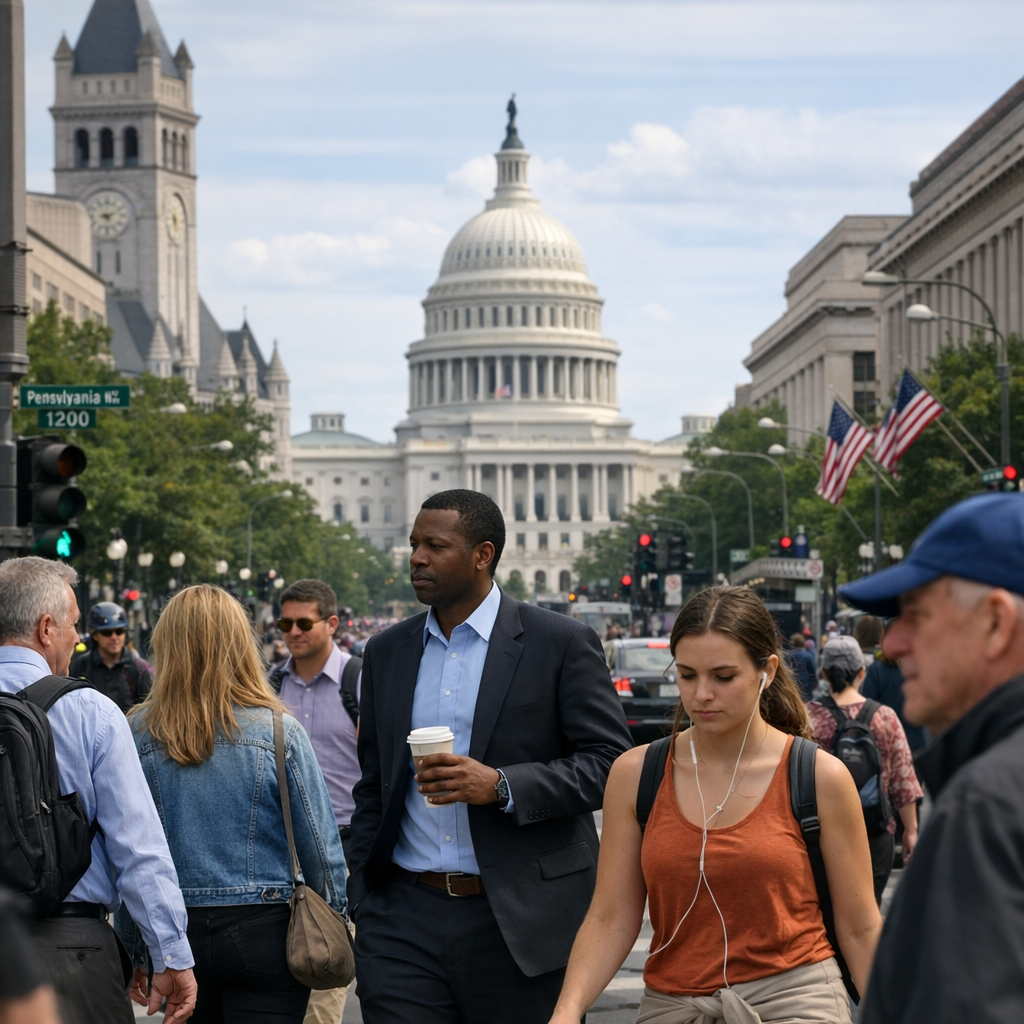
As we navigate the complexities of the current U.S. political and economic landscape, several key developments have emerged that warrant attention.
Political Climate and Public Sentiment
Recent polling indicates a significant level of public concern regarding the state of the nation’s political system. Approximately one-third of Americans identify politics and government as the most pressing issues facing the country. This sentiment is particularly pronounced among older demographics, while younger individuals tend to focus more on economic challenges such as housing affordability and basic needs.
Economic Indicators and Challenges
The U.S. economy continues to exhibit mixed signals. While there has been a resurgence in hiring, with 172,000 jobs added in May, the overall economic growth remains sluggish. The economy expanded at a 0.7% annual rate in the fourth quarter, reflecting the impact of various factors, including international conflicts and domestic policy decisions.
Inflation remains a persistent concern, with recent reports indicating a surge to 3.3%, influenced in part by rising energy prices due to geopolitical tensions. This inflationary pressure has led to increased costs for consumers, notably in areas such as gasoline and food.
Federal Reserve and Monetary Policy
In response to these economic challenges, the Federal Reserve has maintained its benchmark interest rate at 3.6%. The Fed’s approach aims to balance the need to control inflation while supporting economic growth. However, the effectiveness of this strategy continues to be a topic of debate among economists and policymakers.
Looking Ahead
As the nation grapples with these political and economic challenges, it is crucial for citizens to stay informed and engaged. Understanding the interplay between policy decisions and their real-world impacts can empower individuals to make informed choices and advocate for policies that align with their interests and values.