

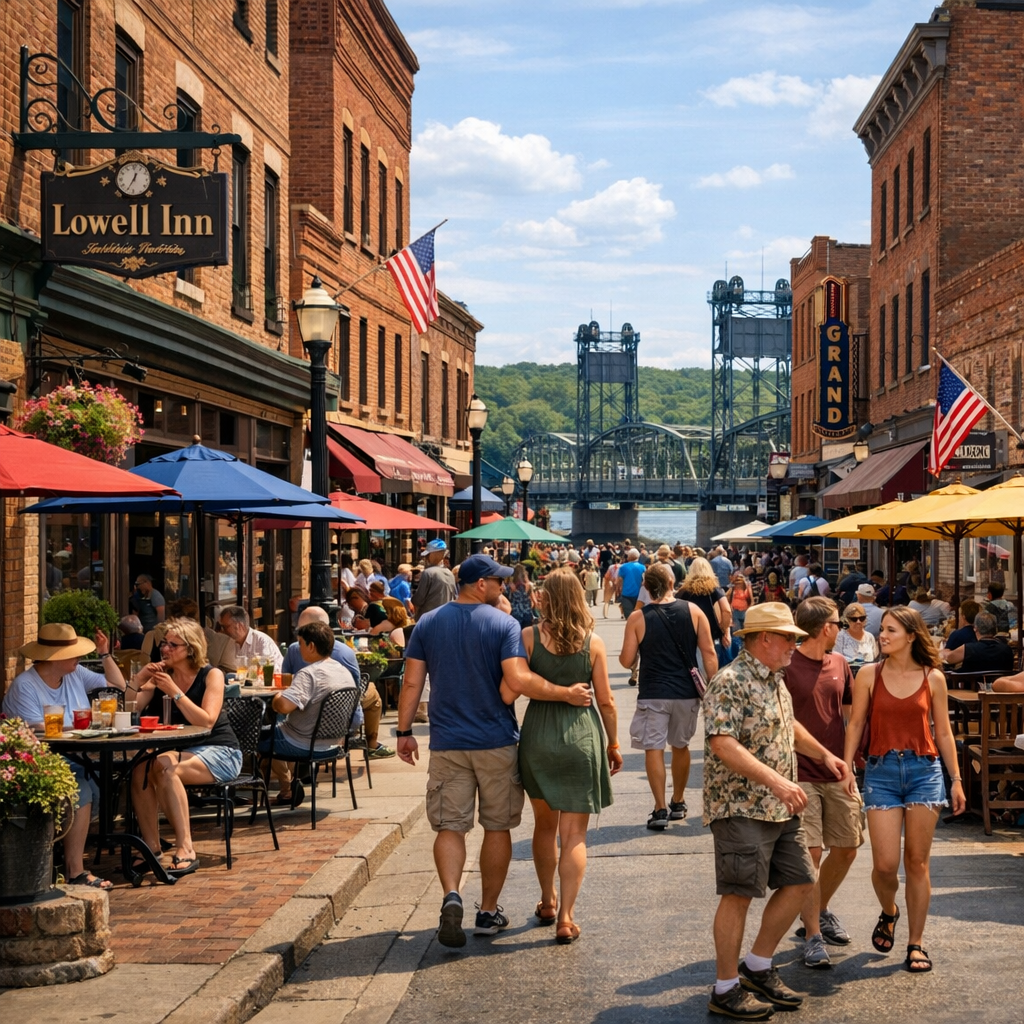
Stillwater is evaluating the establishment of a social district in its downtown area, a move that would permit patrons to purchase alcoholic beverages from licensed establishments and consume them within designated public spaces. This initiative aims to enhance the vibrancy of the downtown area and support local businesses.
The concept of social districts has gained traction in Minnesota, with Anoka implementing the state’s first such district in 2022. Following legislative approval in 2024, Stillwater and Shakopee have the option to create their own social districts. In Stillwater, the proposed district would likely encompass the downtown area, extending from the St. Croix River a few blocks westward, with specific boundaries to be determined based on existing businesses and other factors.
Under the proposed plan, participating businesses would sell alcoholic beverages in official social district cups. Patrons could then enjoy their drinks on sidewalks, in parks, or within retail locations that opt into the program. Clear signage would delineate the district’s boundaries, ensuring that beverages remain within the designated area. The city would establish specific days and hours of operation for the district.
To gauge public opinion, the city conducted a survey revealing a community divided on the issue. Approximately 50% of respondents expressed opposition or slight opposition, while 44% were in favor or slightly in favor. Residents like Maryann Grogan acknowledge the potential benefits for local businesses but also recognize concerns about public behavior and safety.
In response to these mixed sentiments, the city has planned an open house for the week of July 14 to gather further feedback from residents and business owners. A summary of this engagement will be presented to the City Council on August 5. If the council decides to proceed, a pilot program could launch in the fall of 2025, with a full implementation in the spring of 2026.
As Stillwater navigates this decision, it seeks to balance economic development with the preservation of community values, ensuring that any changes align with the interests and well-being of its residents.