

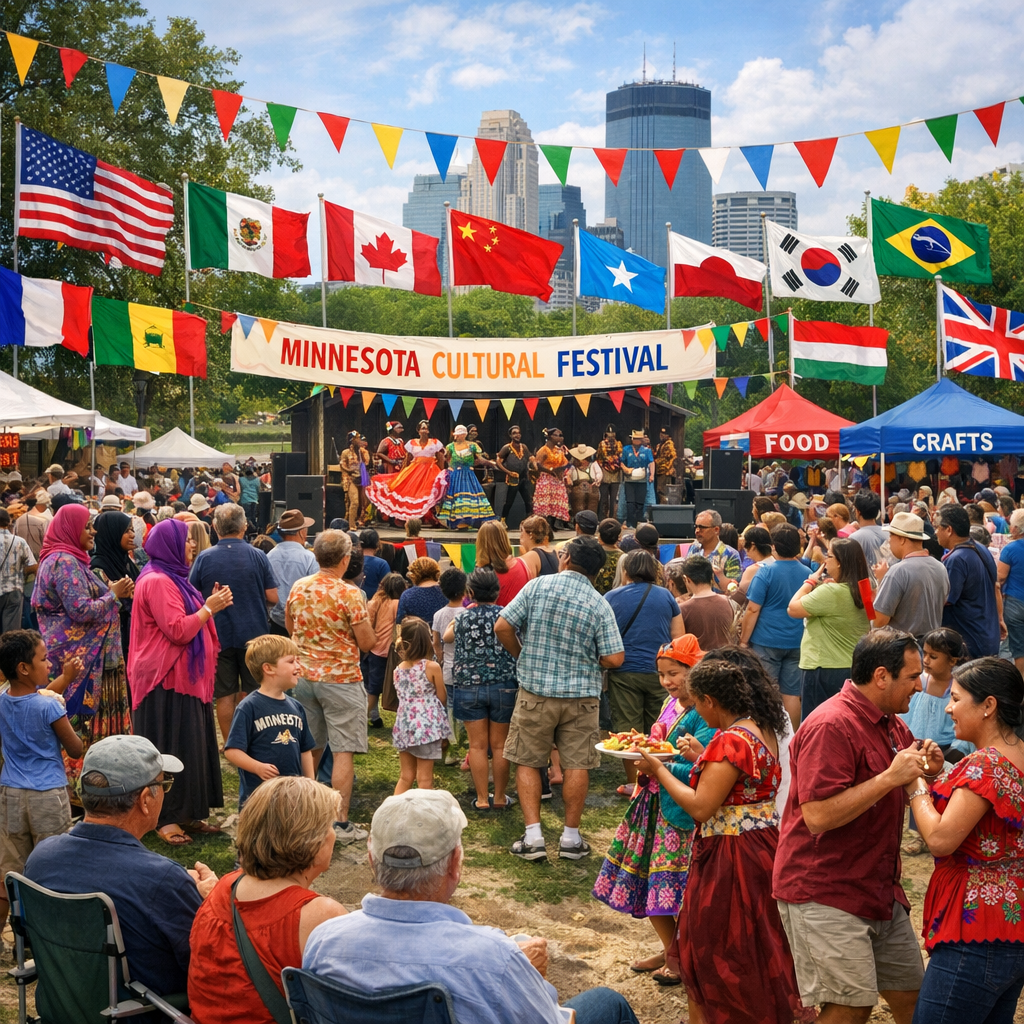
In our interconnected world, global events often have direct and indirect effects on local communities, including those in Minnesota. Understanding these impacts can help residents navigate challenges and seize opportunities arising from international developments.
Economic Impacts
International trade policies and global market fluctuations significantly influence Minnesota’s economy. For instance, changes in trade agreements can affect the state’s export industries, leading to shifts in employment and local business revenues. Additionally, global economic downturns or booms can impact investment in Minnesota’s infrastructure and services.
Immigration and Community Dynamics
Global conflicts and economic disparities often lead to migration, bringing new residents to Minnesota. This enriches the state’s cultural diversity but also presents challenges in terms of integration and resource allocation. Communities may experience changes in demographics, requiring adaptations in education, healthcare, and social services.
Environmental Considerations
Climate change, a global issue, has local repercussions. Minnesota has witnessed shifts in weather patterns, affecting agriculture, water resources, and public health. Understanding these global environmental trends is crucial for developing local strategies to mitigate adverse effects and promote sustainability.
Global Health Crises
Pandemics and other health emergencies originating in distant parts of the world can quickly reach Minnesota, as seen in recent years. Such events strain healthcare systems, disrupt daily life, and necessitate coordinated responses at both the state and community levels.
Conclusion
Staying informed about global events is essential for Minnesota residents. By recognizing the interconnectedness of our world, communities can better prepare for and respond to international developments, ensuring resilience and continued growth.