

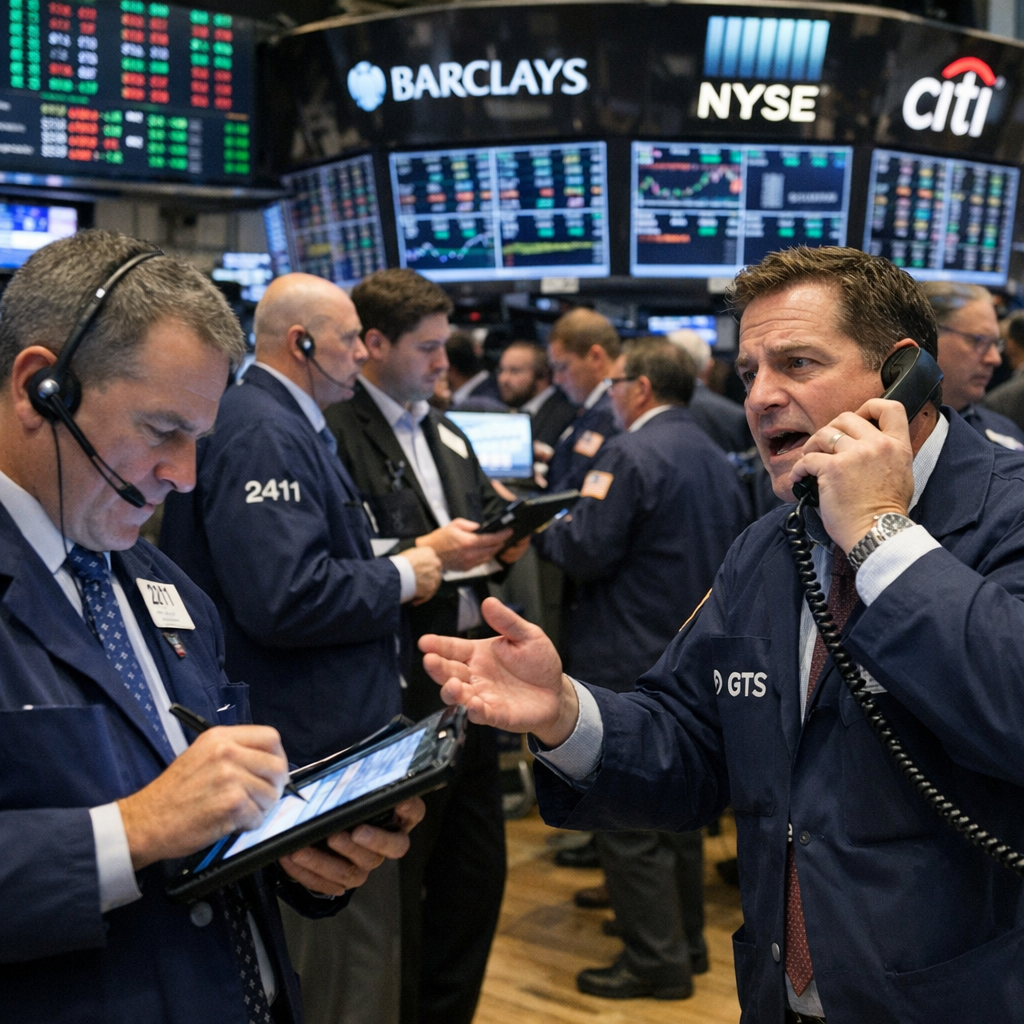
The U.S. economy is currently experiencing a complex interplay of factors affecting growth, inflation, and employment. Understanding these elements is crucial for both policymakers and citizens.
Economic Growth and Inflation
Recent data indicates that the U.S. economy expanded at a sluggish 0.7% annual rate in the fourth quarter, reflecting challenges such as the 43-day government shutdown. Additionally, inflation has reached 4.2%, complicating the Federal Reserve’s outlook on interest rate adjustments.
Employment Trends
Despite economic strains, the job market has shown resilience. In May, 172,000 jobs were added, demonstrating unexpected strength amid uncertainties. However, many Americans remain frustrated by rising costs and limited job prospects.
Impact of Tariffs and Trade Policies
The implementation of tariffs and spending cuts has introduced additional strain on the economy. These measures have led to increased costs for consumers and businesses, contributing to inflationary pressures and affecting overall economic stability.
Consumer Confidence and Political Concerns
Consumer confidence has been dented by high gas prices and elevated inflation. Additionally, a significant portion of Americans express anxiety about the political system, with about one-third identifying politics and government as the nation’s most pressing problem.
Looking Ahead
As the U.S. navigates these economic challenges, it is essential to monitor policy decisions, global events, and domestic developments that will shape the nation’s economic trajectory in the coming months.