

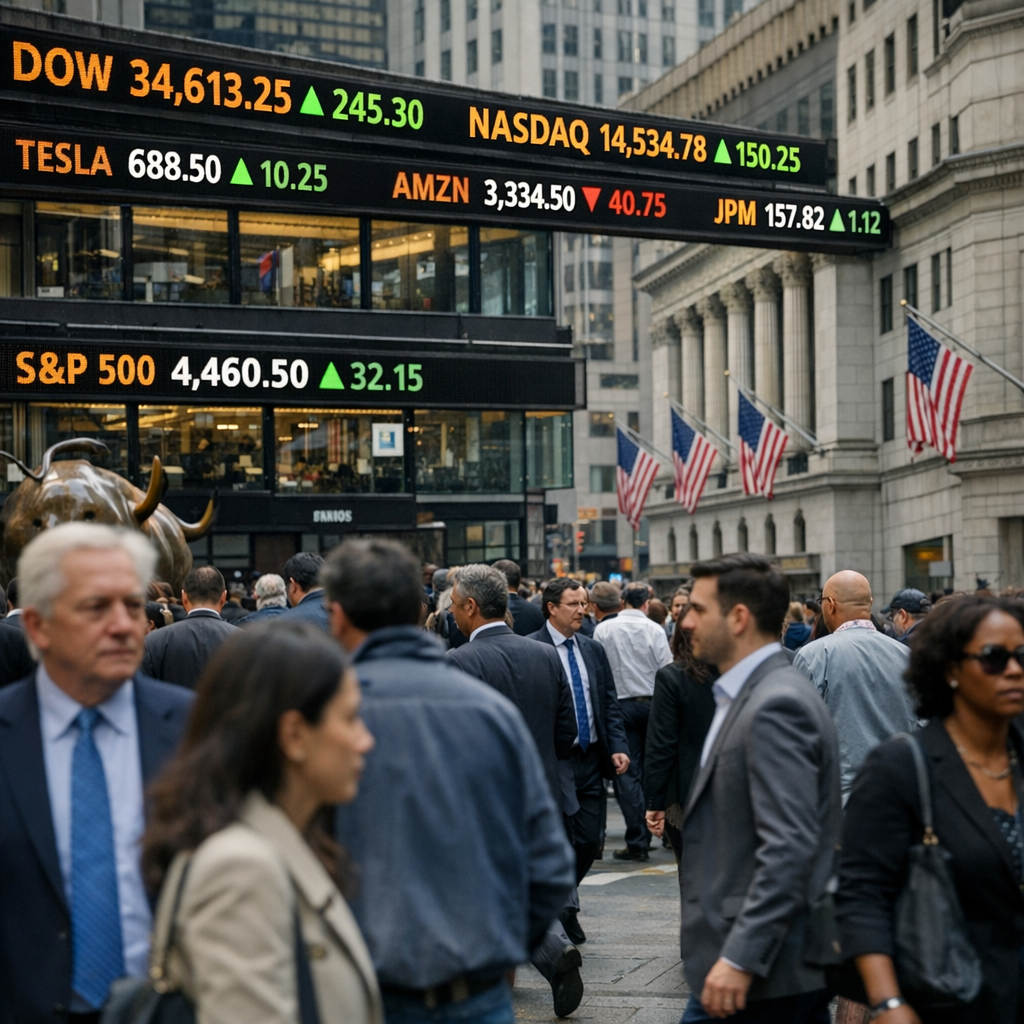
The U.S. economy has demonstrated resilience and adaptability in recent times, navigating through various challenges and opportunities. Understanding the current economic landscape is crucial for both individuals and businesses as they plan for the future.
Economic Growth and Performance
In the first quarter of 2026, the U.S. economy expanded at an annualized rate of 2%, marking a rebound from the previous quarter’s 0.5% growth. This improvement was largely driven by increased federal spending and robust investments in emerging technologies, particularly in the artificial intelligence sector. However, consumer spending growth slowed to 1.6%, reflecting cautious consumer behavior amid economic uncertainties.
Labor Market Dynamics
The labor market has shown signs of stabilization. As of May 2026, the unemployment rate stood at 4.3%, indicating a steady job market. Average hourly earnings have seen a gradual increase, reaching $37.53 in May, suggesting modest wage growth. These trends are essential indicators of the economy’s health and directly impact household incomes and spending patterns.
Inflation and Consumer Prices
Inflationary pressures have been a concern, with the Consumer Price Index (CPI) rising by 0.5% in May 2026. This uptick is partly attributed to external factors affecting energy prices. The Federal Reserve continues to monitor these developments closely, balancing the need to control inflation while supporting economic growth.
Political Landscape and Economic Implications
The U.S. political environment remains dynamic, with evolving party affiliations and ideological shifts. Recent analyses have identified diverse political typologies, reflecting a complex electorate. These political dynamics can influence economic policies and, consequently, the broader economic environment.
Looking Ahead
While the economy shows signs of recovery and growth, challenges such as geopolitical tensions and inflationary pressures persist. Staying informed about these developments is vital for making informed decisions in both personal and professional spheres.
As residents of Stillwater, Minnesota, and the broader U.S., understanding these economic trends helps us navigate our financial futures more effectively. Engaging with local and national economic discussions ensures we remain proactive in adapting to the ever-changing economic landscape.