

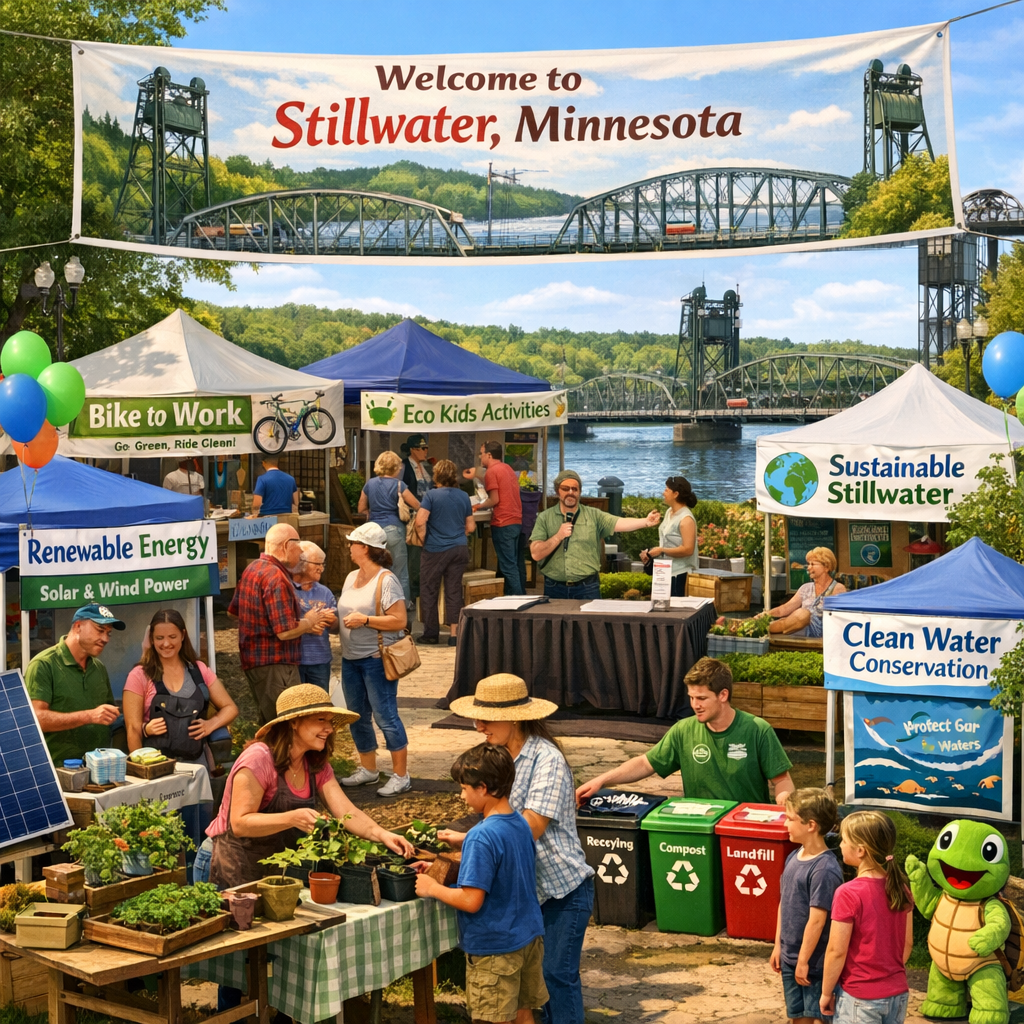
Stillwater, Minnesota, has long been recognized for its dedication to environmental sustainability and resilience. Through various initiatives and community-driven efforts, the city continues to make significant strides in preserving its natural resources and promoting sustainable practices.
Environmental Learning Center at Stillwater Area High School
One of the city’s notable projects is the Environmental Learning Center (ELC) located behind Stillwater Area High School. This 55-acre area encompasses diverse biomes, including oak forests, prairies, and coniferous plantings, along with several seasonal ponds. The ELC serves as an outdoor classroom where students engage in activities such as bird banding, small mammal tracking, and wildlife photography. Public hiking is encouraged, though dogs are not permitted to maintain the area’s ecological integrity.
Sustainable Stillwater MN: A Community Initiative
Established in 2016, Sustainable Stillwater MN (SSMN) is a nonprofit organization committed to promoting social, economic, and environmental resilience within the community. SSMN has been instrumental in various projects, including the downtown business waste management program S.E.E.D., energy management for carbon reduction, and the adoption of the GreenStep Cities plan. These initiatives aim to foster a sustainable lifestyle and combat climate change at the local level.
GreenStep Cities Program
Since 2018, Stillwater has been designated a Minnesota GreenStep City, thanks in part to the efforts of SSMN’s GreenStep team. This program provides guidelines to help cities achieve sustainability, resiliency, and an improved quality of life for residents. The GreenStep team collaborates with city officials to implement best practices in areas such as green building, energy efficiency, natural resource conservation, and transportation.
Energy Action Plan
In collaboration with Xcel Energy’s Partners in Energy program, Stillwater developed an Energy Action Plan to assist residents and businesses in reducing energy consumption and carbon footprints. The plan focuses on educating and inspiring the community to engage in energy-saving actions, aiming to save money, reduce emissions, and increase energy resiliency while preserving the city’s historic character.
Water Quality and PFAS Monitoring
The City of Stillwater is proactive in monitoring and addressing water quality concerns, including the presence of per- and polyfluoroalkyl substances (PFAS). The city’s water utility serves approximately 20,600 people, drawing from groundwater sources. Regular testing and adherence to health-based guidance values ensure the safety of the drinking water. The city collaborates with state and federal agencies to manage and mitigate PFAS contamination, prioritizing public health and environmental safety.
Community Engagement and Education
Community involvement is a cornerstone of Stillwater’s sustainability efforts. Events like the annual Valley Eco Fair, hosted by SSMN, bring together residents, businesses, and local leaders to learn about and participate in environmental initiatives. These events offer opportunities for education, engagement, and collective action toward a healthier and more sustainable future.
Through these concerted efforts, Stillwater exemplifies a community deeply committed to environmental stewardship and sustainability, continually working to balance growth with the preservation of its natural resources for future generations.