

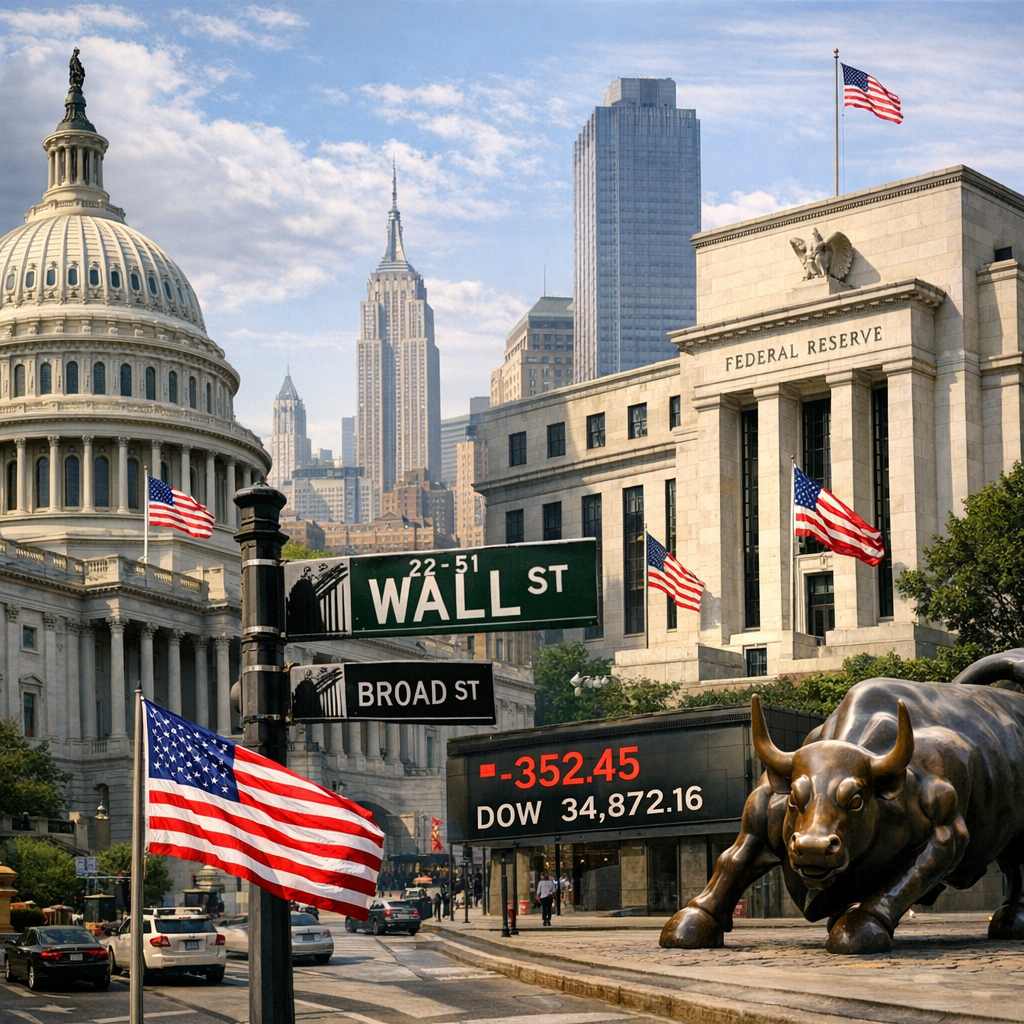
As we navigate the complexities of the current U.S. political and economic landscape, several key developments have emerged that warrant attention.
Political Climate and Public Sentiment
Recent polling indicates a significant level of public concern regarding the state of the nation’s political system. Approximately one-third of Americans identify politics and government as the most pressing issues facing the country. This sentiment is particularly pronounced among older demographics, while younger Americans tend to focus more on economic challenges such as housing affordability and basic needs. This generational divide mirrors trends observed in other high-income nations grappling with similar issues.
Economic Indicators and Challenges
The U.S. economy continues to exhibit resilience, with the International Monetary Fund (IMF) projecting a 2.4% growth in gross domestic product (GDP) for the fourth quarter of 2026. Unemployment rates are expected to decline to 4.1%, and inflation is anticipated to align with the Federal Reserve’s 2% target by 2027. However, the IMF also cautions about potential risks associated with rising federal budget deficits, which could pose stability challenges in the future.
In the labor market, May saw the addition of 172,000 jobs, maintaining the unemployment rate at 4.3%. This growth suggests a strengthening economy despite ongoing global uncertainties. Notably, the Federal Reserve has maintained its benchmark interest rate at 3.6%, with potential adjustments contingent on future economic performance.
Impact of Global Events
International developments, such as the ongoing conflict in Iran, have had tangible effects on the U.S. economy. Gasoline prices have risen by 50% since the onset of the conflict, contributing to broader inflationary pressures. Additionally, the global energy crisis has led to increased oil prices, further impacting consumer costs and economic stability.
Looking Ahead
As the nation approaches the midterm elections, the interplay between political dynamics and economic policies will be crucial. Voter concerns about political stability and economic mobility are likely to influence electoral outcomes and subsequent policy decisions. Staying informed about these developments is essential for understanding their potential impacts on both national and local levels.
In conclusion, while the U.S. economy shows signs of growth and resilience, challenges remain in addressing public concerns about political stability and economic equity. Ongoing monitoring of these factors will be vital in navigating the evolving landscape.