

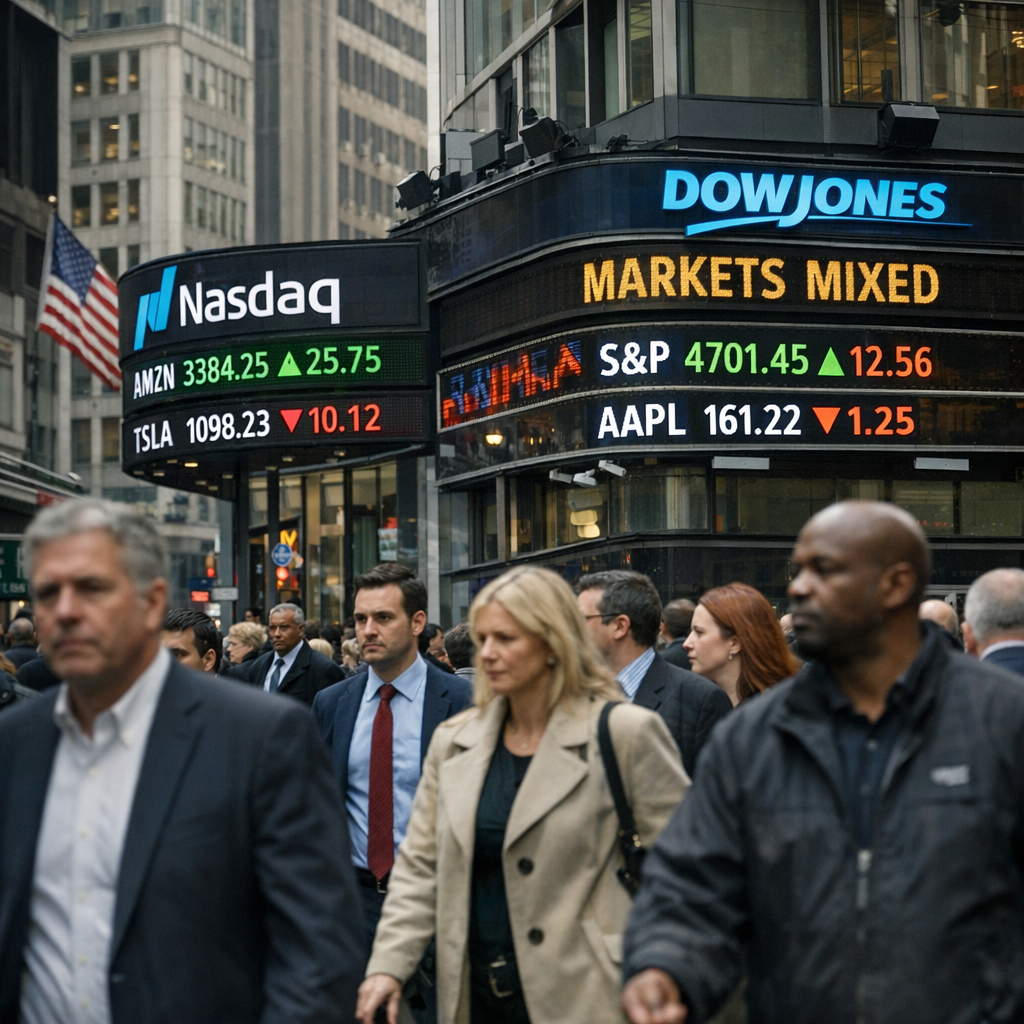
The United States economy has experienced notable fluctuations in recent times, reflecting a complex interplay of domestic policies and global events. Understanding these dynamics is crucial for both policymakers and citizens.
GDP Growth and Economic Performance
In the first quarter of 2025, the U.S. economy contracted by 0.5%, a downturn attributed to businesses accelerating imports ahead of anticipated tariffs. However, the subsequent quarters saw a rebound, with the economy expanding at an annualized rate of 3.8% in the second quarter and 4.3% in the third quarter, marking the fastest growth in two years. This resurgence was driven by increased consumer spending and business investments.
Inflation and Consumer Prices
Inflation has been a persistent concern, with consumer prices remaining elevated. Factors such as high gas prices and ongoing global supply chain disruptions have contributed to this trend. The Federal Reserve continues to monitor these developments closely, adjusting monetary policies as needed to maintain economic stability.
Employment and Labor Market
The labor market has shown resilience, with unemployment rates remaining relatively low. However, certain sectors continue to face challenges, including labor shortages and wage pressures. Efforts to address these issues are ongoing, with initiatives aimed at workforce development and training programs.
Trade Policies and Tariffs
Trade policies have undergone significant changes, with the administration implementing new tariffs on various trading partners. These measures aim to protect domestic industries but have also led to increased costs for consumers and businesses. The long-term impact of these policies remains a subject of debate among economists and policymakers.
In conclusion, the U.S. economy is navigating a period of transformation, influenced by a combination of policy decisions and external factors. Staying informed about these developments is essential for making sound financial and business decisions.