

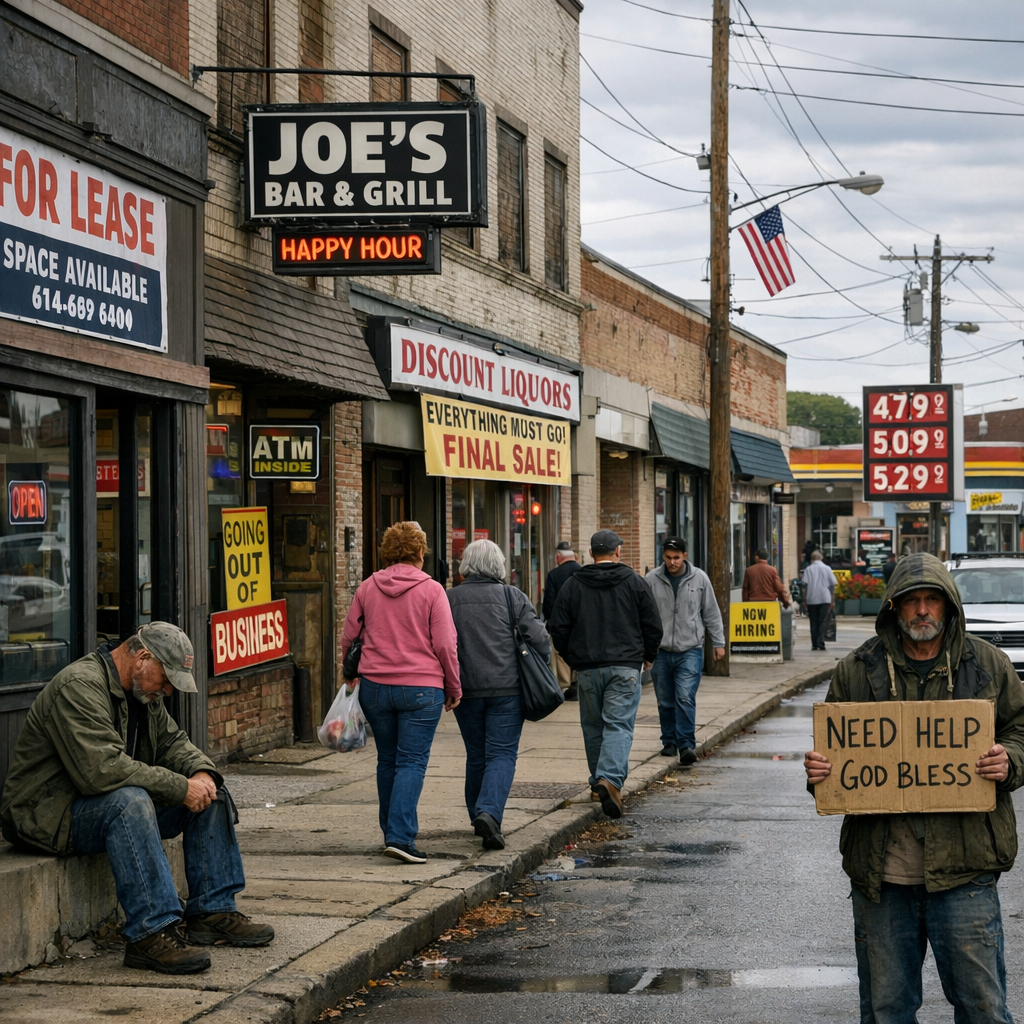
The United States economy is currently experiencing a period of modest growth, with the Gross Domestic Product (GDP) expanding at an annual rate of 0.4% this year, a decrease from the previous projection of 1.3%. This slowdown is attributed to various factors, including ongoing trade tensions and global economic uncertainties.
Employment Trends
The labor market has shown signs of stagnation, with job gains dwindling over recent months. In July, the economy added just 73,000 jobs, a significant drop from the monthly average of 168,000 jobs added last year. This decline raises concerns about the sustainability of employment growth and its impact on consumer spending.
Inflation and Consumer Prices
Inflation rates have been a focal point for policymakers. The consumer price index increased by 2.8% in February compared to the previous year, down from 3% the month before. Core prices, which exclude volatile food and energy categories, rose by 3.1% from a year earlier, marking the lowest increase since April 2021. However, recent tariffs on imports have the potential to drive prices higher, affecting household budgets.
Federal Reserve’s Stance
The Federal Reserve faces a delicate balancing act in managing interest rates amid these economic indicators. While lower rates could stimulate growth, they also risk fueling inflation. The Fed’s decisions in the coming months will be crucial in shaping the economic trajectory.
Local Implications
For communities like Stillwater, Minnesota, these national trends have tangible effects. A slowing economy can impact local businesses, employment opportunities, and consumer confidence. It’s essential for residents and local leaders to stay informed and proactive in addressing these challenges.
In conclusion, while the U.S. economy faces headwinds, understanding these dynamics can help communities navigate the uncertainties and plan for a resilient future.