

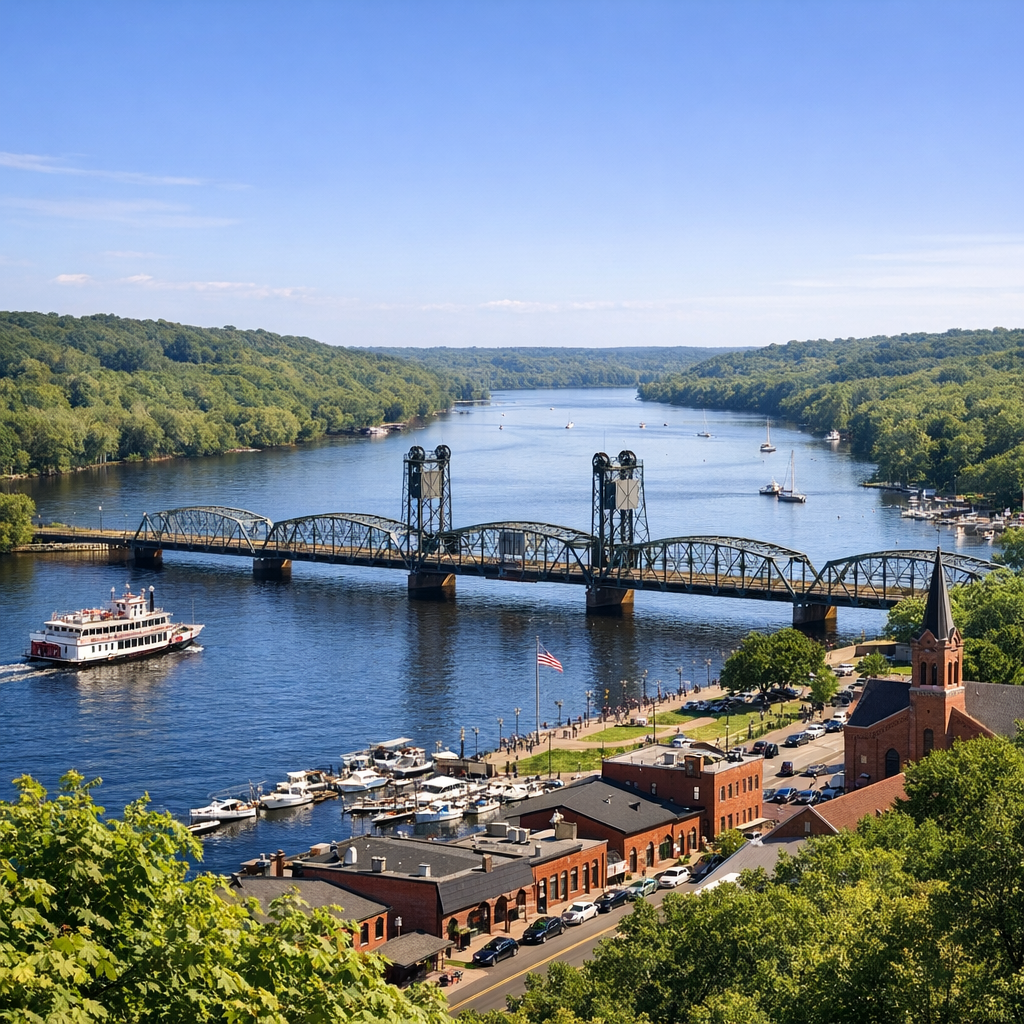
Stillwater, Minnesota, experiences a diverse climate characterized by distinct seasonal changes. Understanding these patterns is essential for residents and visitors alike.
Climate Overview
Stillwater’s climate features warm, wet summers and cold, snowy winters. Average high temperatures range from 24°F in January to 83°F in July. Annual precipitation averages around 28.83 inches, with June being the wettest month, receiving approximately 4.63 inches of rainfall. Snowfall averages about 42 inches per year.
Environmental Initiatives
The community is actively engaged in promoting environmental sustainability through various initiatives:
Sustainable Stillwater MN
Established in 2016, Sustainable Stillwater MN (SSMN) is a nonprofit organization dedicated to fostering a sustainable and healthy lifestyle to combat climate change. SSMN has been instrumental in initiatives such as the Green Business Directory and the Energy Action Plan adopted in 2024.
GreenStep Cities Program
Since 2018, Stillwater has participated in the Minnesota GreenStep Cities program, which provides guidelines to help cities achieve sustainability and resiliency. The program focuses on best practices in areas like green building, energy efficiency, and natural resource conservation.
Water Quality and Safety
The city is committed to ensuring safe drinking water by monitoring and addressing contaminants such as per- and polyfluoroalkyl substances (PFAS). The Minnesota Department of Health evaluates health risks from PFAS, and the city collaborates with state agencies to maintain water safety standards.
By understanding Stillwater’s climate and supporting local environmental initiatives, residents can contribute to a more sustainable and resilient community.