

The United States economy is currently experiencing a complex mix of challenges and developments that are impacting consumers and businesses alike. Understanding these trends is crucial for making informed decisions in today’s economic climate.
Inflation and Consumer Prices
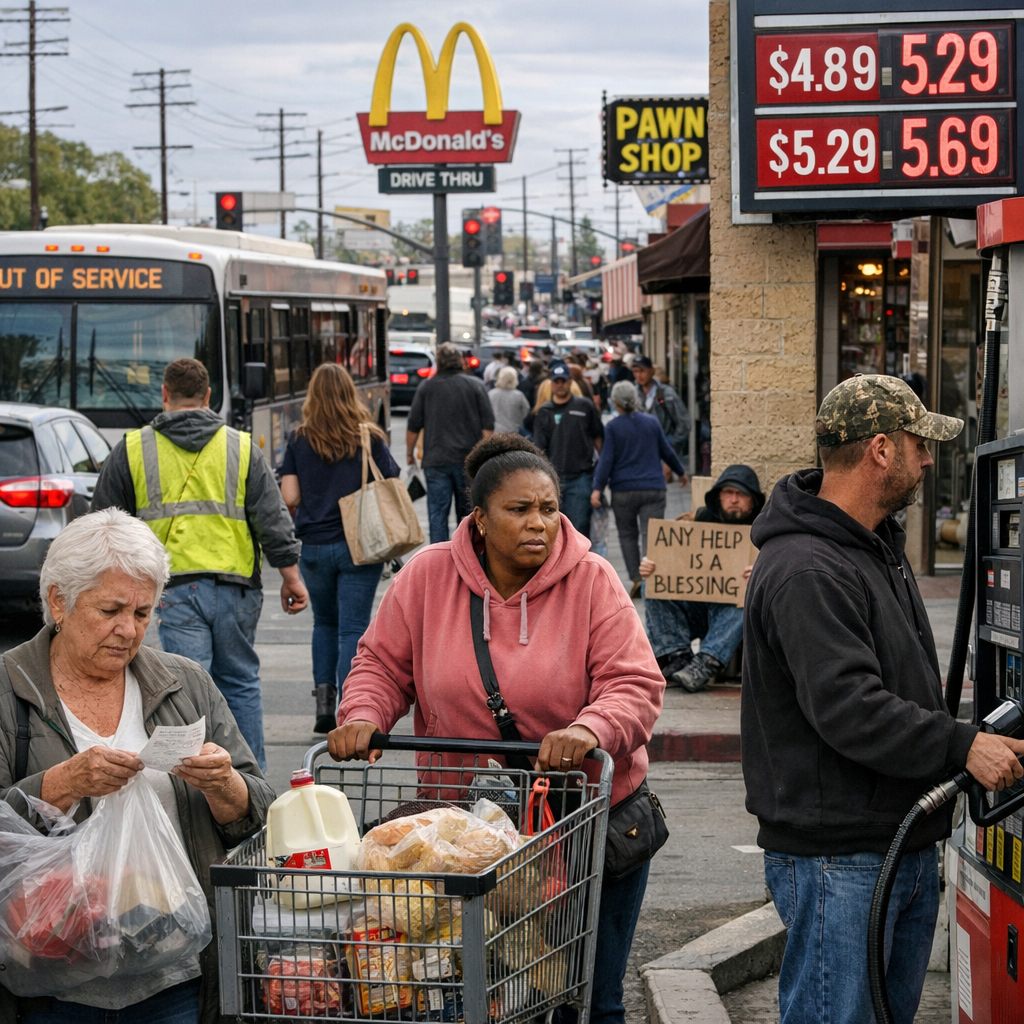
Inflation remains a significant concern, with the Consumer Price Index (CPI) indicating that prices have risen by 2.9% over the past year. This uptick is largely driven by increased costs in essential sectors such as food and energy. For instance, gas prices have surged nearly 50 cents in the past month, adding financial strain to households nationwide. Economists suggest that these elevated prices may persist in the coming months, affecting budgets and spending habits.
Employment and Wages
The labor market presents a mixed picture. While the unemployment rate has stabilized, wage growth has not kept pace with inflation, leading to a decrease in real income for many workers. This stagnation in wage growth, coupled with rising living costs, has contributed to a decline in consumer confidence. Recent surveys indicate that consumers are feeling the strain, with many expressing concerns about their financial well-being and future economic prospects.
Federal Reserve Policies
In response to these economic indicators, the Federal Reserve has maintained its benchmark interest rate between 3.5% and 3.75%. This decision reflects a cautious approach aimed at balancing the need to control inflation without stifling economic growth. However, the effectiveness of this strategy remains a topic of debate among economists and policymakers.
Impact on Local Communities
For residents of Stillwater, Minnesota, these national economic trends have tangible local effects. The rise in gas prices, for example, increases commuting costs, while higher food prices affect household budgets. Local businesses may also experience shifts in consumer spending patterns, influencing their operations and profitability.
Staying informed about these economic developments is essential for navigating the current landscape. By understanding the broader trends and their local implications, individuals and businesses can make more strategic decisions to mitigate challenges and capitalize on potential opportunities.